
Emergency Cooking – How to Cook Without Electricity

This post may contain affiliate links. Read my full disclosure here.
With our aging power grid and more blackouts and brownouts, it’s important to know how to cook without electricity. Emergency cooking options are also important during natural disasters. We’ll share how to have a hot meal – safely – when the grid is down.
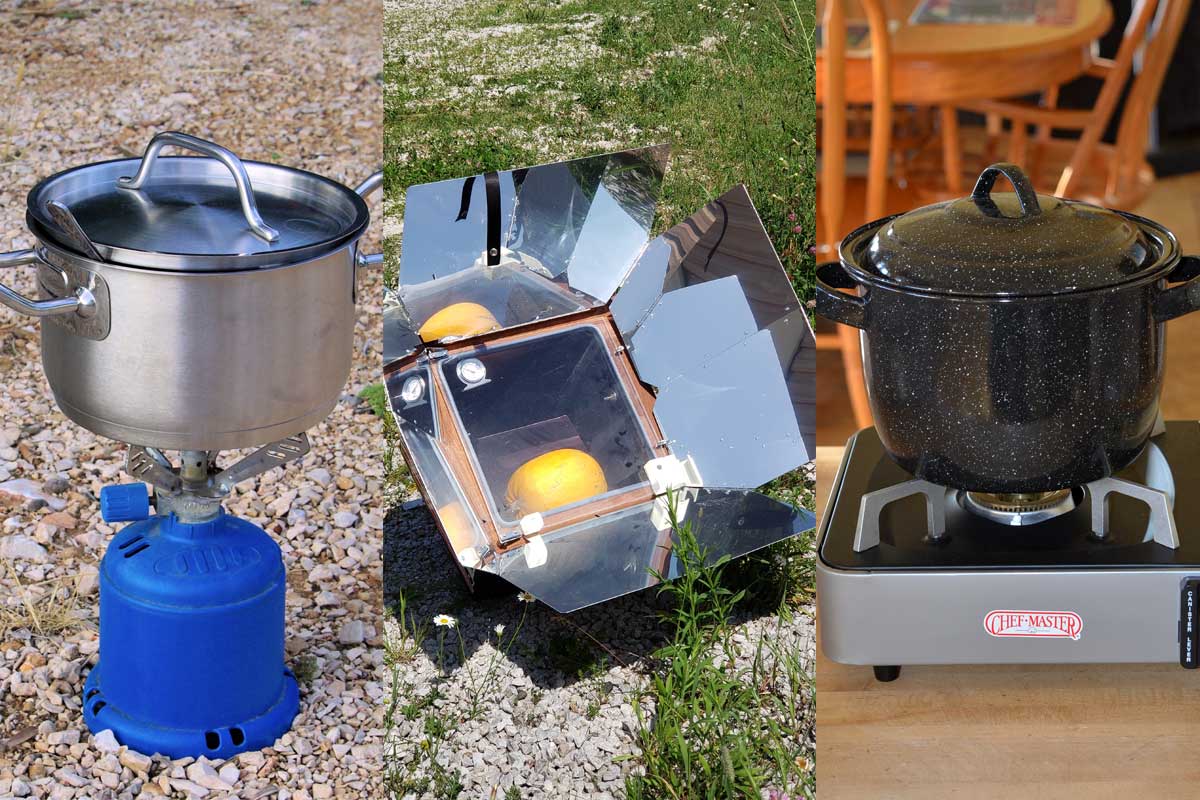
Table of Contents
Remember: Be careful with open flames, and only cook indoors with products rated for indoor cooking . Don’t end up asphyxiated from cooking fuel fumes or burn your house down while trying to make a hot meal.
Indoor Safe Emergency Cooking/ Food Heating Options
These methods are safe to use indoors because they produce low or no emissions, or the emissions vent outdoors.
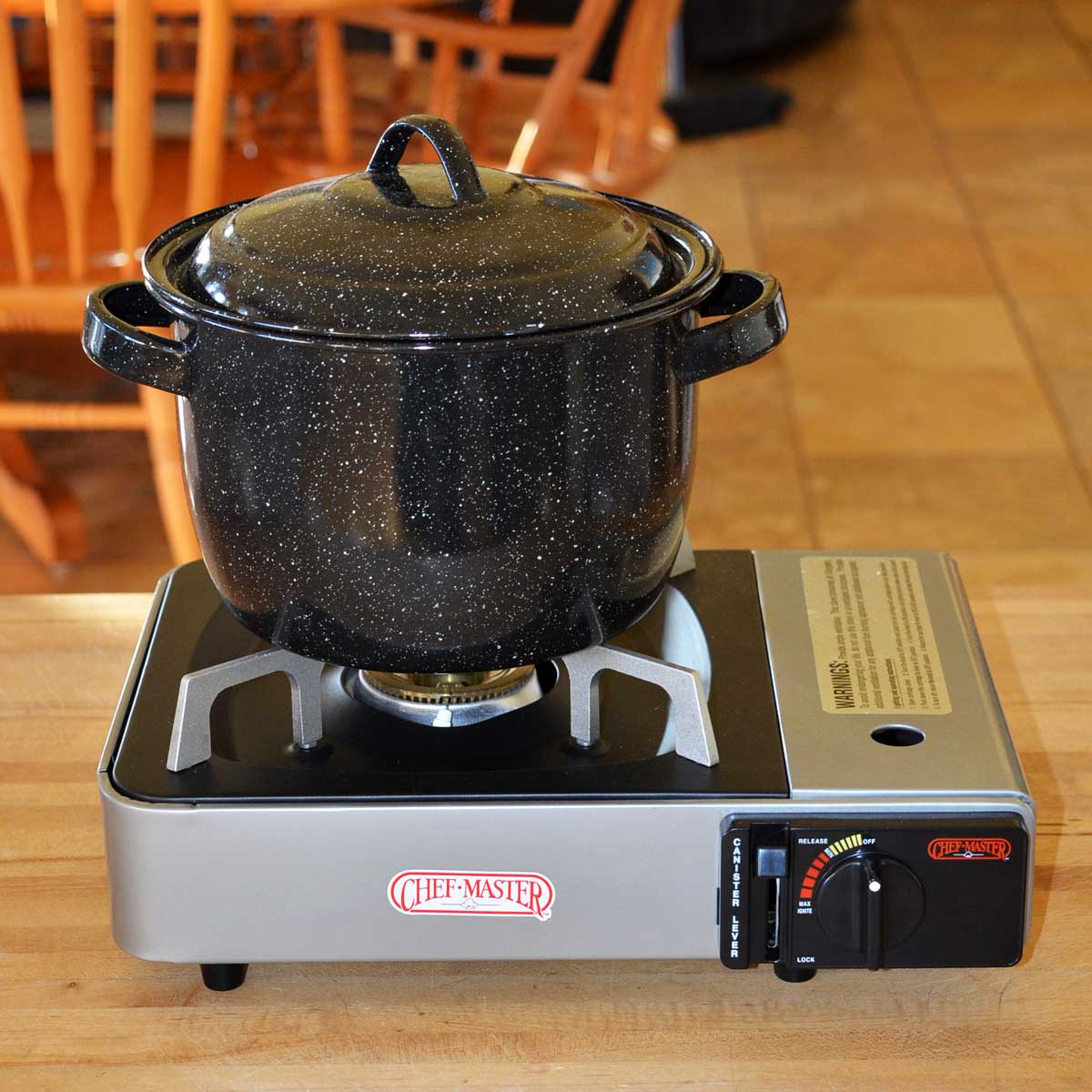
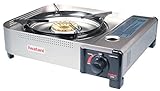
#1 – Portable Butane Stove – Personal Favorite
Packed in a convenient carry case, these portable butane stoves can go just about anywhere. They generate enough heat to cook meals from start to finish, not just reheat food. We used ours during power outages, and when we were waiting for a replacement stove.
The butane canisters are fairly expensive, but you can do a fair amount of cooking with each cylinder. For a small stove it puts out a surprising amount of heat, enough to boil water. I demonstrate how to use it in the video below or on Youtube.
Buy a Portable Butane Stove Here.
CRV Safety Cap for Butane Canisters
For extra safety, we recommend butane canisters with CRV safety cap.
Rikki’s Scouting Resources notes:
The CRV (Countersink Release Vent) is a Butane can safety feature. It allows gas to vent through the perforations in the can rim when extreme heat or pressure is too much. Non CRV cans will exploded with damaging results.
Identify CRV approved cans by their certification marked on the can, either EN417 or UL147B. They also have a light blue color rim.
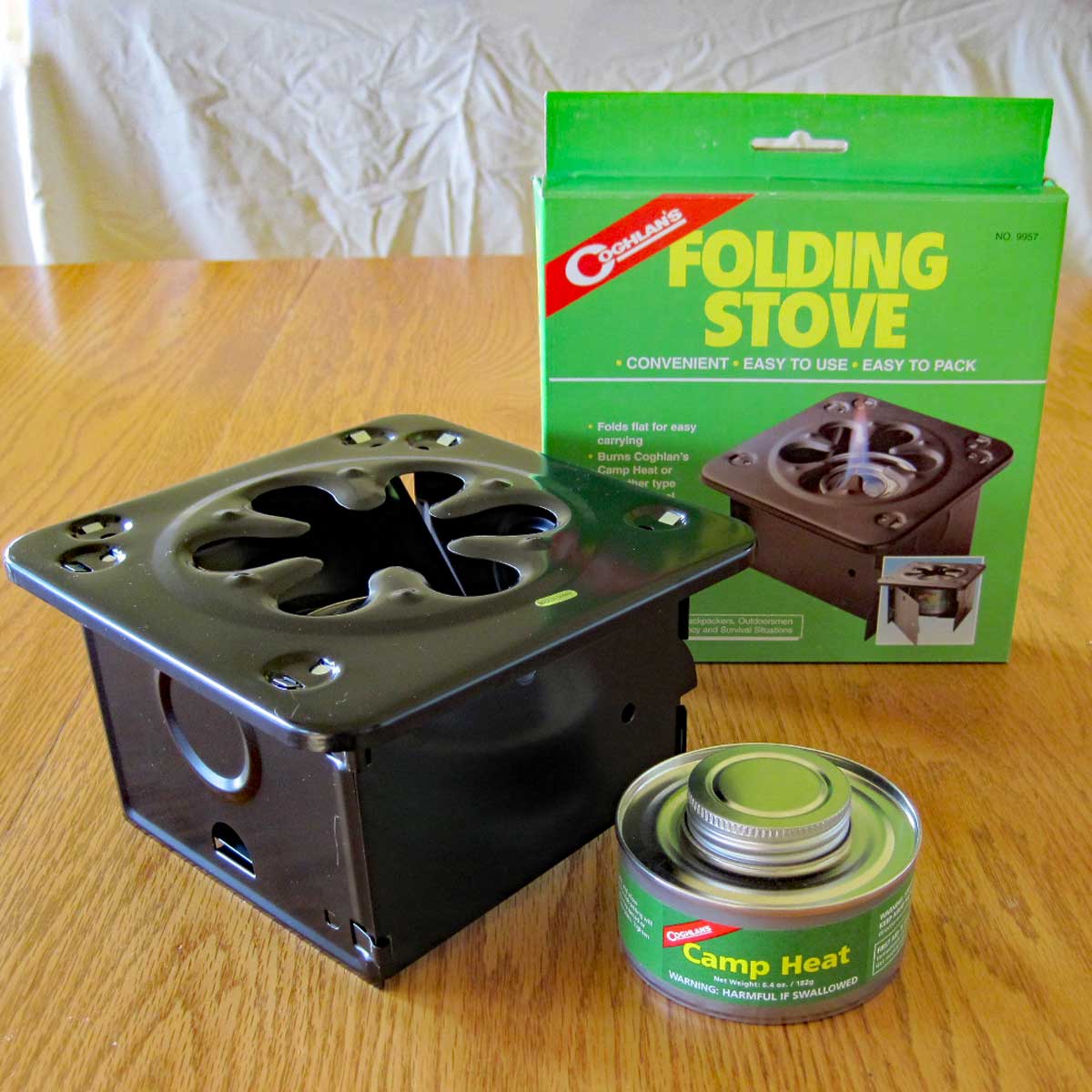
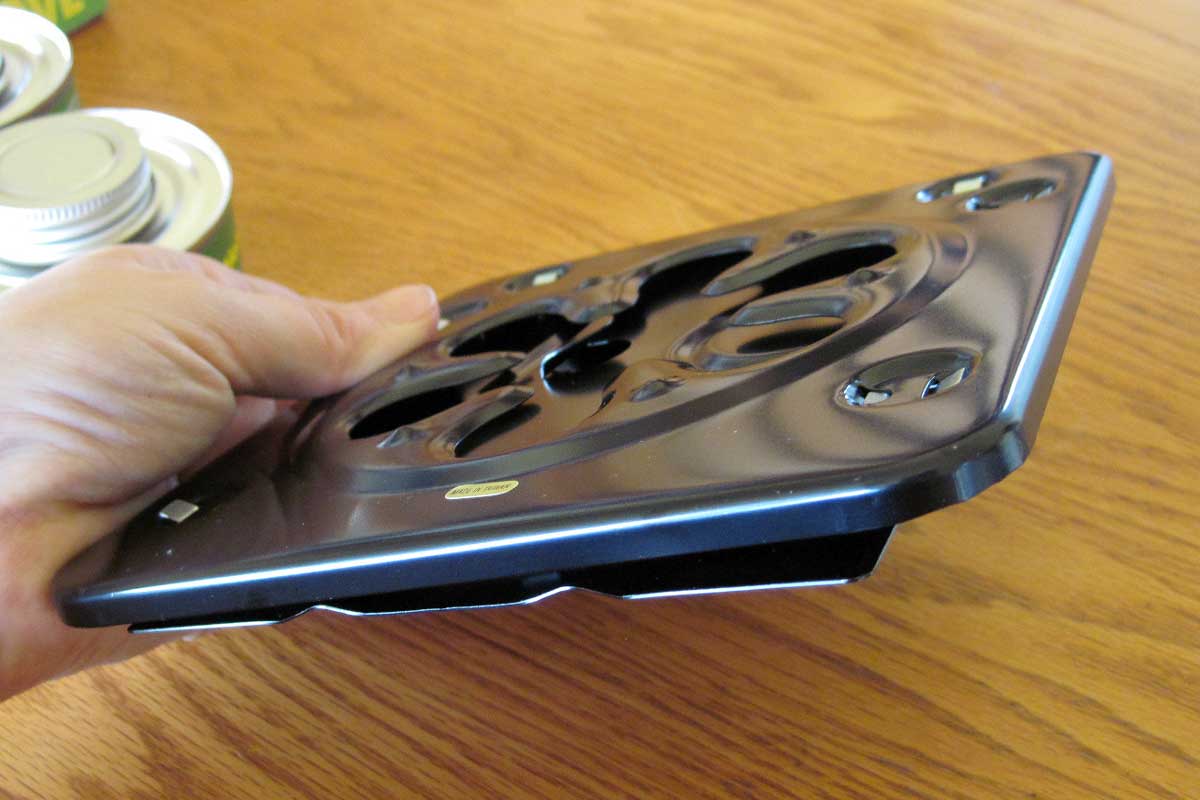
#2 – Mini Folding Camp Stove with Canned Fuel
These tiny folding stoves fold flat for storage. They give you a flat surface to cook on that fits over the top of a small, round fuel container. Use these with Sterno or other brands of chafing dish fuel cans.
These stoves produce a modest amount of heat. They work best for warming or reheating food.
These are safe to use inside or out, as long as there is some ventilation. Buffets in hotels and restaurants use Sterno cans for hours. These tiny stoves fold up very small, so they would be good for camping, an emergency pack, or a bug out bag.

#3 – Wood Burning Stove
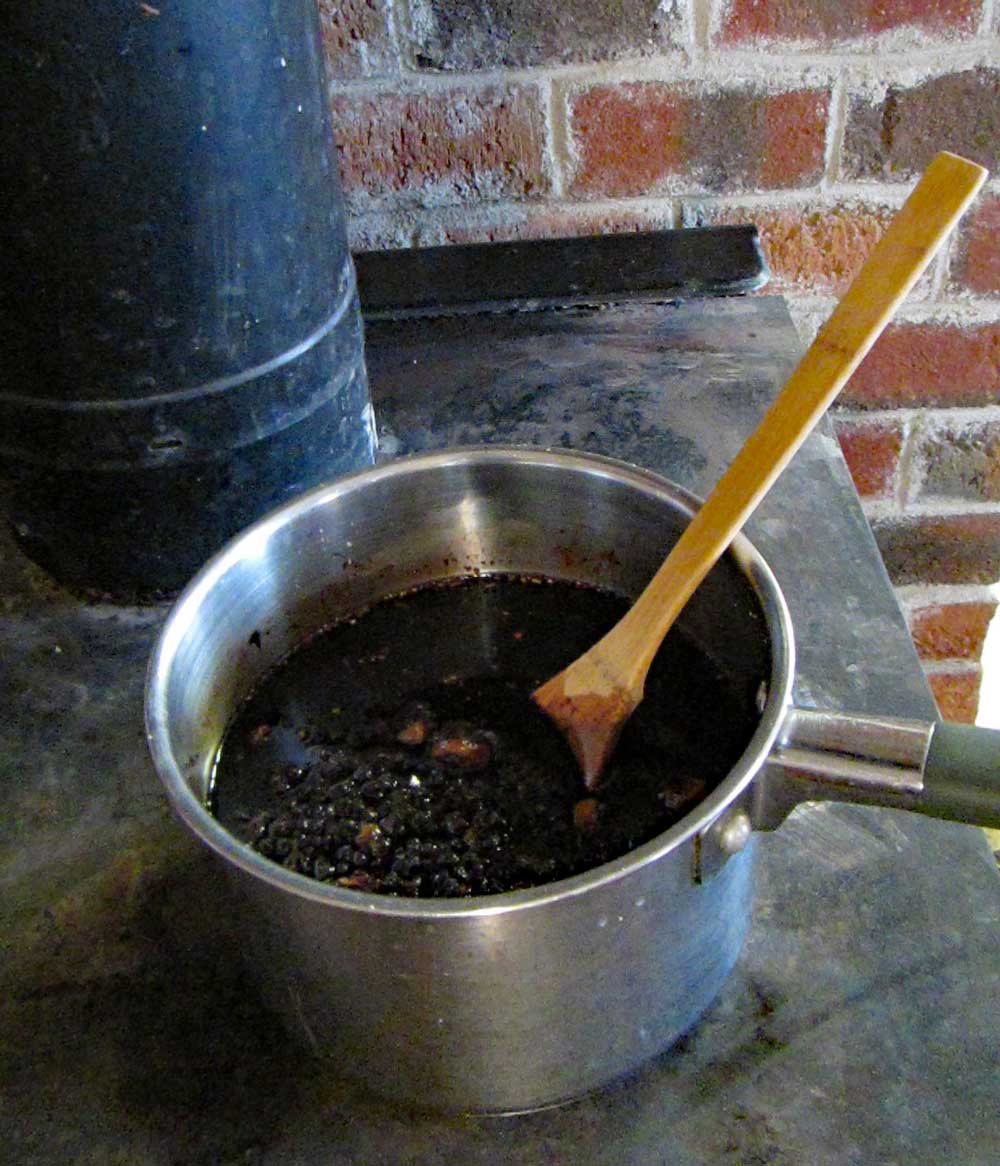
My grandmothers both used wood cook stoves and some of my homesteading friends still do. Even if you don’t have a cook stove, you can heat up food on top of a flat top wood burning stove. We have a masonry stove with built in bake oven.
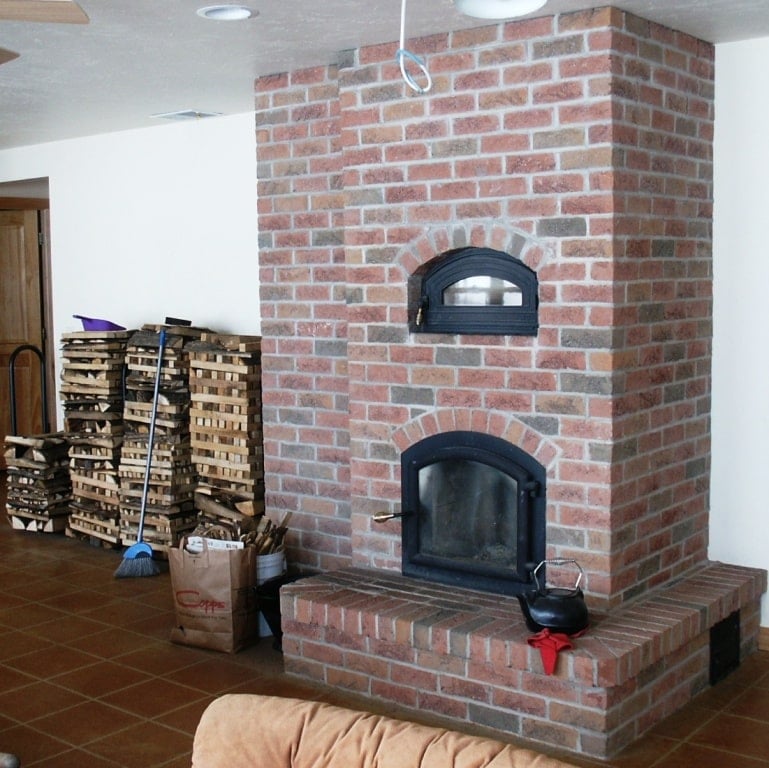
Look for wood cook stoves where off-the-grid folks such as Amish and Mennonites shop. Some also come equipped with water reservoirs for heating water.
#4 – Self Heating Meals/Portable Cooking Bags
One of the simplest methods of heating food without power is food packaging with built in heating elements. A chemical reaction produces enough heat to warm the contents of the container. For example, adding water to an MRE Flameless Heater causes the packet to heat up to over 210°F.
Outdoor Use Only Emergency Cooking Options
These options do double duty, providing hot meals for outdoor activities and when you need to cook without electricity.
#5 – Propane Grill
Your standard propane grill works well as an emergency backup stove. Many people already have these stoves and know how to use them. The down side is that they are difficult, if not impossible, to use during really nasty weather. Keep a spare propane container on hand.
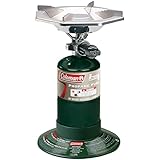
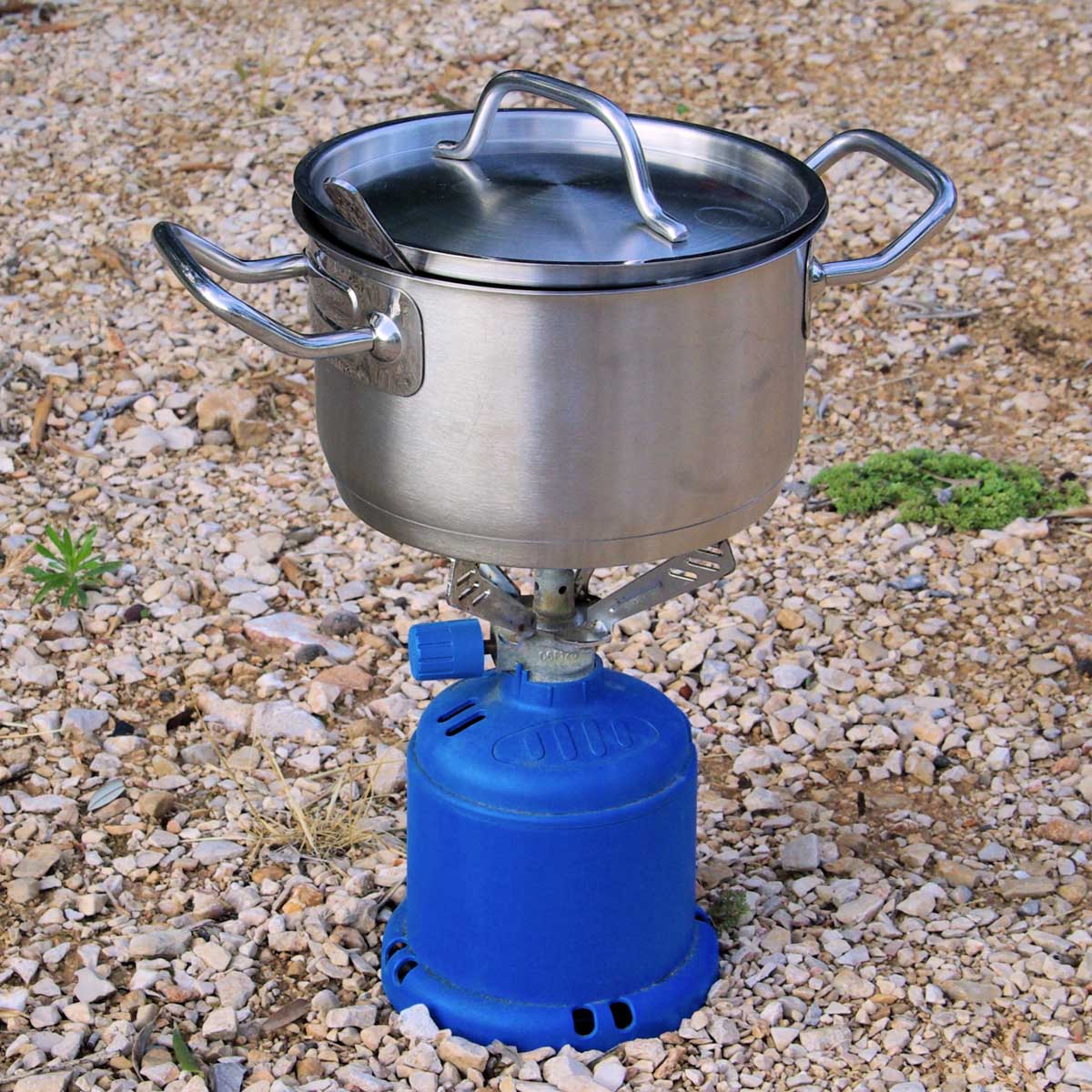
There are also small propane cookers specifically designed for camping. These compact units have room for a single pot on top.
Note: Store your propane cylinder outside and upright in a protected location. Do not store it inside a house or garage or near combustible materials. Avoid conditions where it will rust, potentially causing cylinder failure.
See Storing Propane Cylinders for more information. Propane will store indefinitely, as long as the seals and the storage take remain intact.
#6 – Charcoal Grill
Charcoal grills are less common than they used to be, but some people still use them, including yours truly. They have the same limitations as propane grills, and is less practical for small amounts of cooking or long, slow cooking.
Would you like to save this?
Stock up on charcoal when it is on sale and store it anywhere dry. It has a very long shelf life. I highly recommend a cylindrical chimney starter to get your briquettes lit without starter fluid.
Newspaper is less expensive than lighter fluid, plus you skip the extra dose of chemicals. Plan for extra time (20-30 minutes) for the grill to get up to temp for cooking.
#7 – Solar Cooker
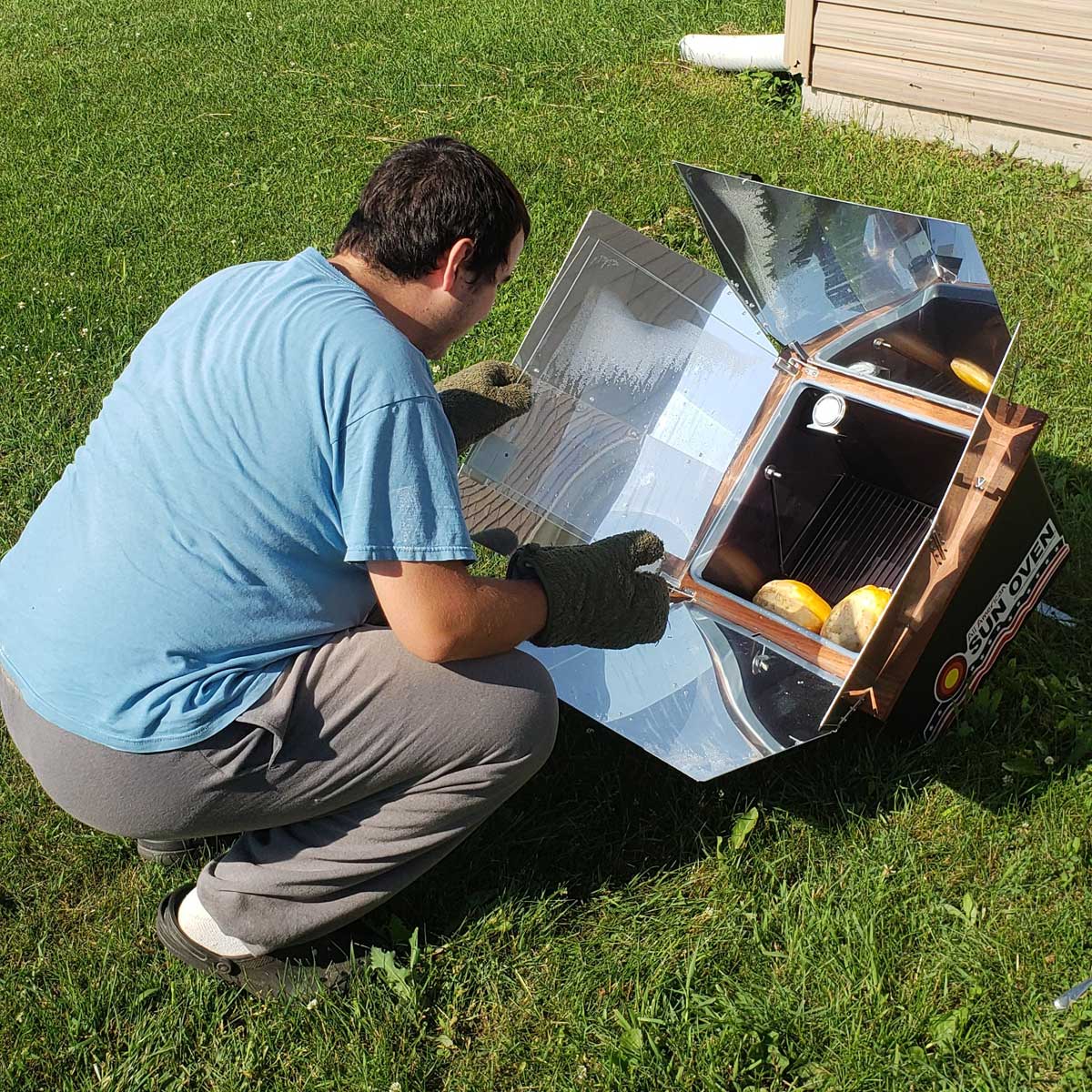
Solar oven do everything from baking bread to cooking main dishes. They can also be used to dry foods and sterilize water. These work best in climates with plenty of sun, but we do use ours here in Wisconsin in the summer.
Check out “Getting Started with Solar Cooking” for more information.
#8 – Combination Stove like the Volcano Portable Stove
Some products use several different fuels, such as the Volcano Portable Stove, which works with charcoal, propane or wood. This would be a nice option to have on hand to take advantage of whatever fuel you have available. It weighs 4lbs, and the footprint when open is a17″ diameter circle.
#9 – Large Propane Burner/Deep Fryer
These big, high powered burners can crank out a lot of heat. The more common uses are: deep frying turkeys, fish boils and making enormous pots of soup (known as booyah in our area).
Use them to heat water for laundry or bathing, or to heat water for scalding chickens for processing. Make sure you use these with a large, sturdy pot, and keep them away from buildings.
#10 – Open Fire
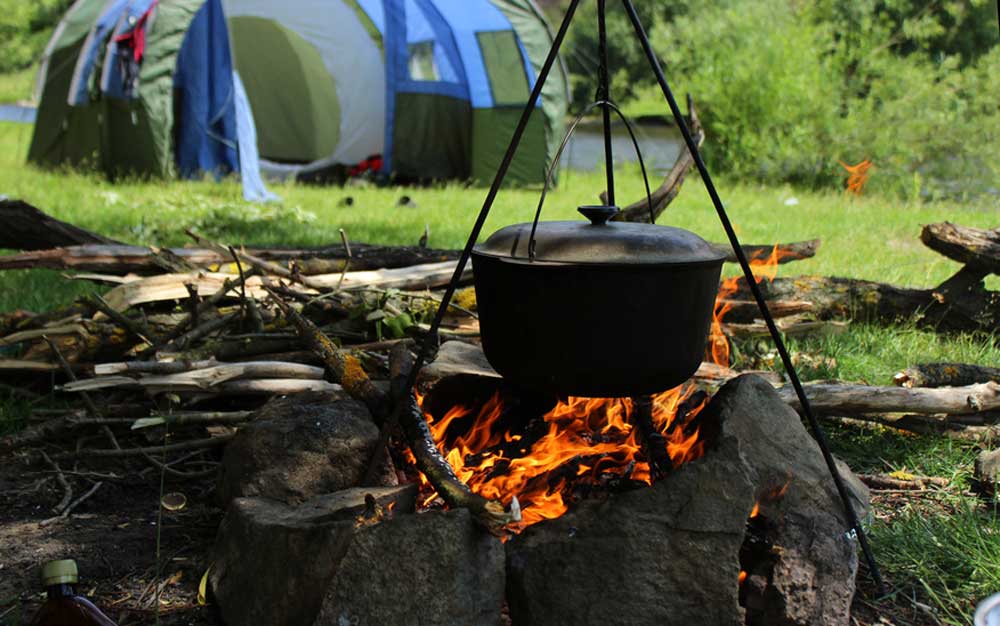
There is skill involved with open fire cooking. There is no knob to turn or button to push to adjust the temperature. It’s quite easy to burn food on the outside and/or leave it cold in the center.
If you plan to cook over an open fire during emergencies, it’s a good idea to practice. Try it out in a low stress situation, like camping in your backyard. You need fireproof cookware or aluminum foil or large leaves, depending on your technique.
General Emergency Cooking Tips
Emergency cooking without electricity is easier when you’re prepared. Keep these tips in mind for planning.
Think “Heat” Instead of “Cook”
Reheating fully cooked foods is easier than preparing whole, non-cooked foods. For instance, canned beans are much easier to use than dried beans. They don’t require additional water, soaking time or extended cooking time.
Include “heat and eat” options in your long term food storage, such as canned foods or freeze dried foods. Many canned foods are pre-cooked and safe to eat directly from the can without heating.
If you have heat and water, freeze dried foods provide good quick meals. See our Best Freeze Dried Foods article for more information.
Stock Manual Kitchen Tools
Make sure you have people powered tools instead of electric cooking equipment. Electric tools do not work when the power is out. Get a manual can opener.
Use the Right Pots and Pans
Make sure you have the proper tools for your cooking method of choice. Fires and grills can be much hotter than your average stove burner. (No plastic spatulas, please.)
Long handles and hot pads, oven mittens, fire gloves or at least a folded rag to grab hot handles are a must. Cast iron cookware is a workhorse. A Dutch oven will allow you to bake bread in the stove, on the grill or campfire.
For more information, see Cooking With Cast Iron.
Know How to Use Your Emergency Cooking Option
Practice, practice, practice with your cooking option of choice. At the very least, practice making the quick to fix foods that would be emergency fare. If you are truly inexperienced in the kitchen, just practice cooking – any cooking.
“Camp out” once a month to make sure you have all the tools, fuel and other supplies you need. Practice building a fire and cooking over an open flame. Learn traditional cooking recipes. Like any skill, food preparation gets easier the more you do it.
Know How to Cook Without Frills
Practice cooking with only minimal equipment. Go on a camping trip, have backyard cookouts, cook a meal on the beach. Cooking without your stove and all your regular “stuff” will make things so much easier if you end up without power.
Repetition builds muscle memory so your body remembers when your brain is distracted. It also reduces stress because you at least know how you will eat.
What about using a generator to power a stove?
Using an emergency generator to power an electric stove or microwave is not a good idea. Electric stoves and microwaves use a lot of power in a short amount of time. It’s more efficient to use other fuel sources, such as natural gas, wood or charcoal.
When the grid is down, a gas stove may not light, because most gas stoves use an electric ignition. If you still have gas to the burner, you can light them with a lighter for emergency cooking. Be sure to turn off the gas when you finish cooking.
Related Articles
- Emergency Power Options for Your Home
- Winter Vehicle Emergency Kit Checklist
- Emergency Heat During a Power Outage and other Winter Storm Preps
- Emergency Water Storage & Filtration – What You Need to Know BEFORE Emergencies Hit.
- What’s the Best Solar Cooker? Choosing the Right Unit for Your Cooking Style

This article is by Laurie Neverman. She has a BS in Math/Physics and MS in Mechanical Engineering with an emphasis in renewable energy. Laurie and her family live in a “concrete bunker” (ICF home) with a permaculture food forest, greenhouses, and three types of solar. They “walk the talk” of preparedness by living a more self-reliant lifestyle.
Originally posted in 2013, updated 2024.
Enjoyed your post— especially the comment about explaining the food ingredients to the car mechanic if the bag leaked 😆
There is a new kind of ethanol stove for indoor and outdoor use called the Fishbone stove.
Some miscellaneous thoughts
Conserving stored cooking fuels during an emergency (that might turn into something long term) can be really important. Some ways to do that could include learning how to use thermal cooking. There are books on Amazon and links online to help.It involves heating up a well insulated cooking vessel — such as a high quality thermos bottle (such as the “Thermos” brand) or larger thermal cookpot (see Amazon or eBay for sources), then adding the food to be cooked and bringing it up to temperature, then putting on the lid, removing the heat source, and letting the food slow-cook for however many hours it takes.
Some kinds of solar systems are well suited for thermal cooking. Either parabolic reflectors or large Fresnel lenses are well suited for the quick heat-up described above — especially if good sunlight is only available intermittently.
There are a couple of brands of solar cookers that have both solar and built-in electric capabilities. They are called hybrids. The electric option works really well for learning (while there is still power available) but can use solar when power goes out. They can even be set (while using solar) to automatically switch over to electric power when either the sun gets clouded over or when nightfall sneaks up on you. The US-made brand in Sun Focus while the brand made in India (the same brand in camo paint that’s issued to some units of the Indian military) is the Tulsi.
There are many varieties of burners that can use kerosene for cooking fuel — in addition to the Lehman’s example in this article. Part of that is knowing that the K-1 grade of kerosene is sufficiently cleaned so as not to leave a greasy film on the walls and ceilings of your kitchen — as happened back in the day when my mother was SO glad to switch from kerosene to electric cooking in her kitchen because of the poorer grade of kerosene she had available. I was too young to recall her discussion about that at the time. Kerosene also has the virtue of being able to store indefinitely — and without any explosion hazard (unlike propane).
Propane systems for cooking have been designed for indoor use. Back in my long-ago military years I lived for over a year in a 1958 manufactured mobile home with two propane tanks outside that were mounted on the towing tongue. The inside propane-fired cookstove was reliable and never gave me any problems.
There are examples of people on YouTube using a wood-fired rocket stove in their house open fireplace. With that kind of ventilation there are probably other kinds of cookers with otherwise risky fuels (like propane) that could be used in such indoor fireplaces.
Finally … the comment about dried beans taking a long time to cook … can be improved on considerably. If first cleaned of any loose particles and then ground into bean flour, the cooking time can be reduced enormously. Page 116 of Rita Bingham’s Country Beans book (my edition is from 1996 — there may be later editions with different page numbers) states that “When added to boiling water, bean flours thicken in only 1 minute, and in 3 minutes are ready to eat. Bean flours added to baked goods increase vitamins and minerals and provide a source of complete protein.” The book discusses some brands of home kitchen grain mills available back then. It could be worth while to run a current day online search to learn what brands are available today.
One other option for small, individual “meals” – Lehman’s Rayo Lamp Emergency Camping Kerosene Heater Cooker
Interesting. The use the heat from the lamp chimney for cooking.
I made and gave away about a dozen “hobo” stoves or jet stoves at a talk I gave at my church about preparedness. They cost nearly nothing to make and cook using a small amount of twigs and easy to store. I threw a cheap lighter and a bag of tinder in each one I gave away with the plastic lid snapped on it for storage. That way in an emergency they wouldn’t need to panic.
Interesting article on an important topic, thank you. We have a regular pot belly stove, a Lopi, that takes the larger pieces of wood, and that has a flat top that we used to cook scrambled eggs and make coffee on when the power went out. You can’t bake with it ( that I know of) but heating or basic stove top type cooking/warming is easy. By itself, it can’t keep a drafty old house warm, but very close to it is nice and hot, and I am a huge fan of hot water bottles as low tech bed warmers when the power is out. Also, we have not tried this yet, but we now have several easy to put up tents for the living room next time the power goes out in the middle of winter; the idea is that tent plus good sleeping bag should be much warmer than sleeping in a cold bedroom. Of course, the mostly below ground basement is another option which can be warmer than other places in the house, due to the insulating factor of the earth around it.
When considering a portable camp stove – which is more efficient in terms of heating or heating and cost? The small butane canisters or small propane tanks…thanks
Hi Vivian.
Most propane stoves are not recommended for indoor use – even some that advertise online as being “safe for indoor use” say “outdoor use only” on the box. The problem is ventilation, and fumes building up indoors, especially with how tight houses are nowadays.
Odds are that you you can find a propane stove that would be safe to use indoors, it would be a little cheaper to operate than the butane stove, as those little butane canisters are expensive. Mini propane canisters are more expensive than bulk propane, but still cheaper than butane. That said, I’ve used our mini stove a number of times when we had power outages, and for several days while we waited for our new stove to get hooked up, and still haven’t used a full canister yet.
The little butane stoves are commonly used in restaurants for tableside or buffet cooking, so they are by default fairly low emissions.
If you have an outdoor cooking area you can use in all weather conditions, standard outdoor propane cooking devices that hook up to the bigger propane tanks will be the most economical to use.
Ah, yes, I was thinking more in terms of general fuel costs. We have an outdoor, double burner, Coleman cook stove – that uses those small canisters of propane. I was wondering if you knew if there was a cost comparison between those and the canisters of butane or those small circular containers of butane – that are okay to burn indoors. I don’t know how they both are in terms of output and how long they last kind of thing.
With costs increasing dramatically from week to week now, any comparison would be out of date quickly. I haven’t seen anything like that specifically, but I haven’t gone looking.
My sister-in-law grew up in a farmhouse with a charcoal stove, and she loves flame-grilled food. She learned to use a little one burner gas cooker and kept it on the electric stove in the kitchen.
When my brother came home bed-bound and on oxygen, I stayed with them for a couple of weeks to help out.
The respiratory therapist explained to me that there could be no open flames near his bed, since the oxygen would accumulate and might become a significant, explosive fire hazard. His bed had to be placed in the living room, and it occurred to me that the kitchen was close enough!
English was almost her second language, and explaining why she couldn’t cook his favorite meal in her kitchen took some diplomacy.
Respiratory compromise has become a pretty common issue in our culture, and during an emergency, that high risk may get by-passed in the hustle of getting everyone comfortable. That might be another point to add to your precautions.
In addition, I don’t think I saw any discussion of alcohol stoves, which an ethanol expert has told me would have a 400F flame and would burn off completely, so it may be a candidate for indoor use. It is also possible to switch jets for other gasses with ones that will work successfully with alcohol. We have a propane stove that we have intended to convert for use with alcohol, but haven’t found the proper jets. I would love a suggestion for a vendor.
Another option is a rocket stove, which is easy to make for welders, or can be purchased on line. It uses a variety of burnable fuels successfully, and makes a very quick, hot flame suitable for an outdoor cooking location.
I love to sip hot water in cold weather. Your point about practicing is going into effect TODAY!