
13 Easy Homemade Bread Recipes – Never Buy Bread Again

This post may contain affiliate links. Read my full disclosure here.
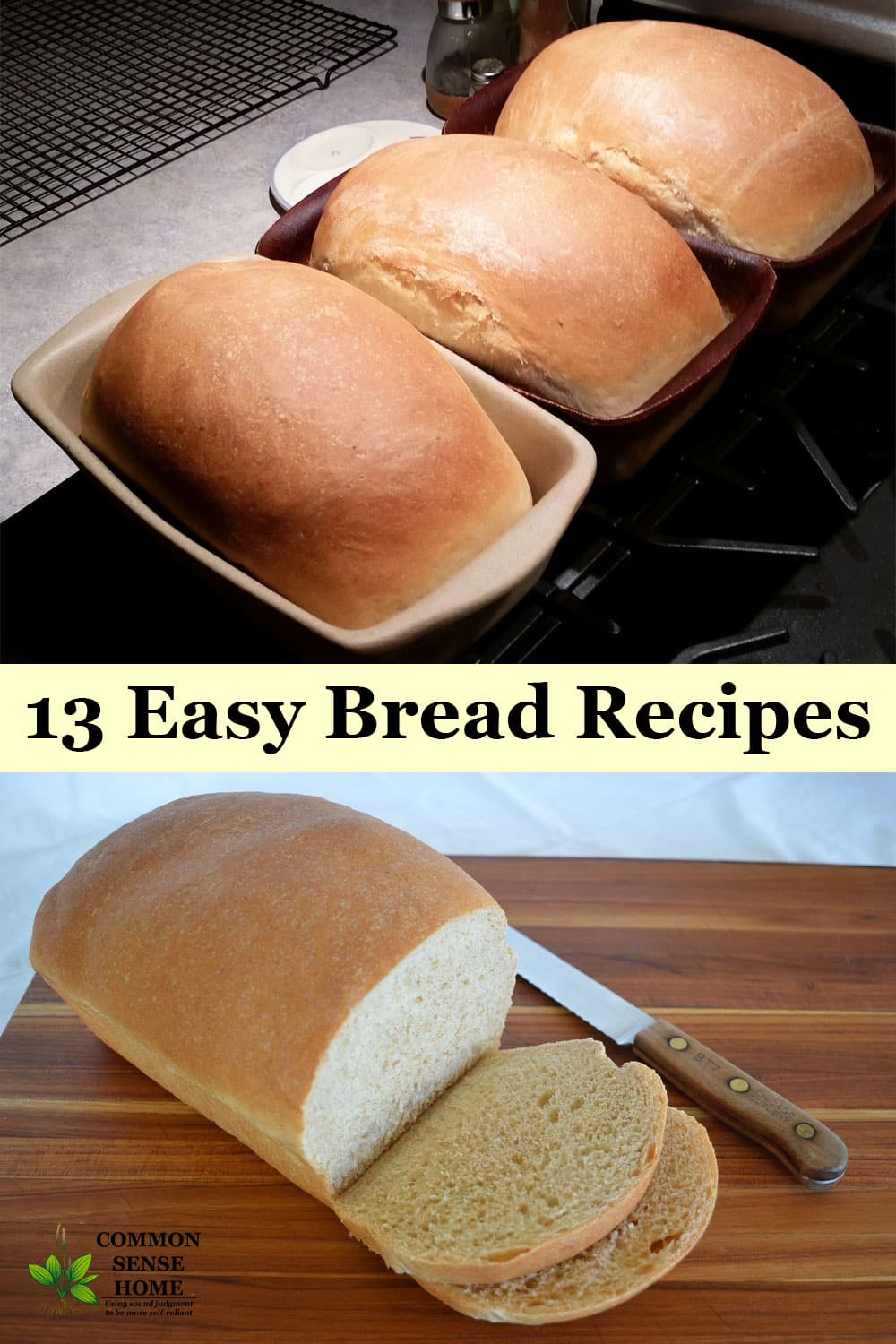
I’ve rounded up some of my favorite homemade bread recipes to help you bake a great bread for any meal.
Ditch all the nasty ingredients in store breads, save yourself some money and enjoy some really good bread!
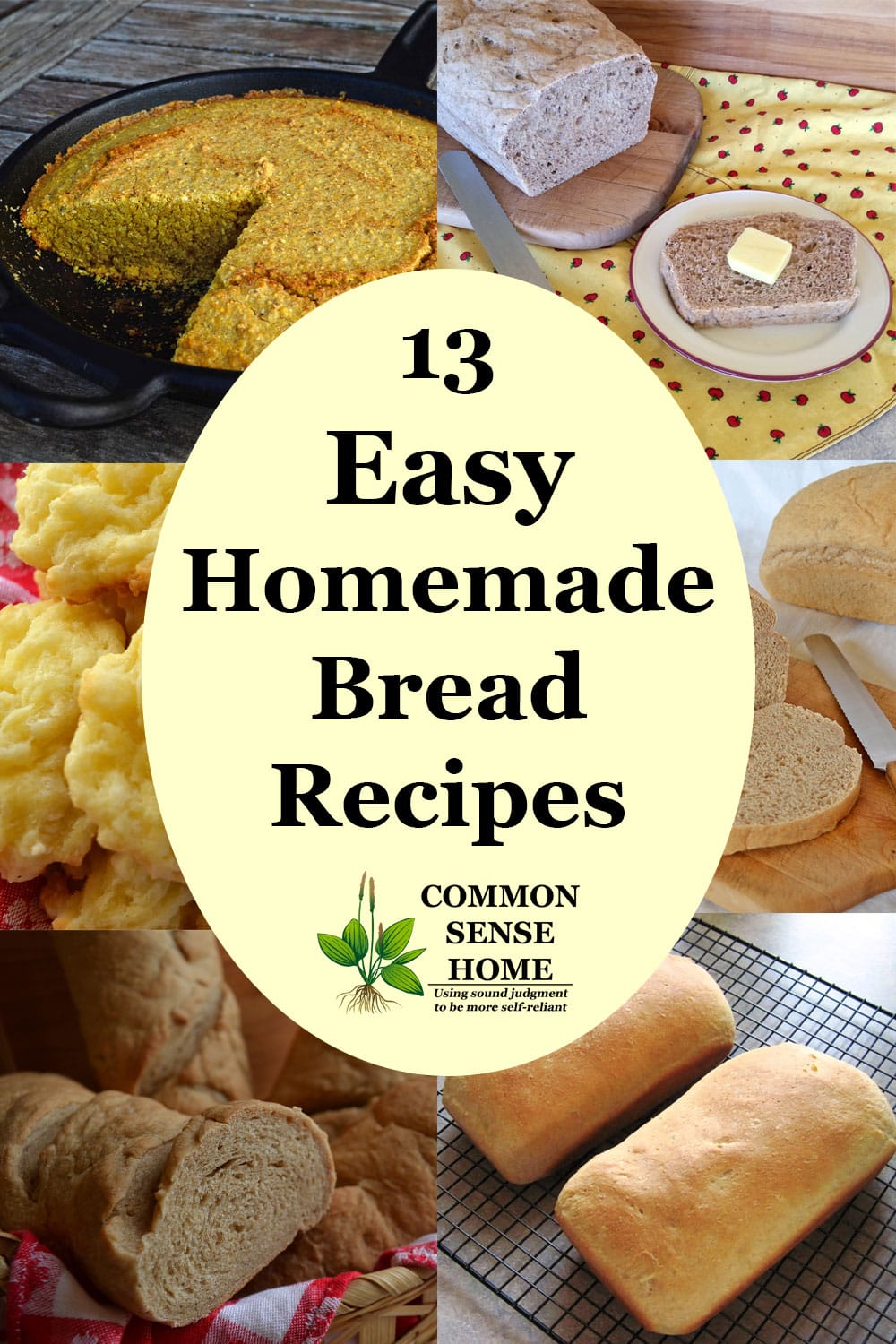
The first section has a number of yeast bread recipes using wheat flour. The second section has bread recipes for special diets, including gluten free breads.
Enjoy fresh baked bread and like having all your “go to” recipes in one spot? Click here to get my book “Never Buy Bread Again”. Now available in spiral bound print and digital version.
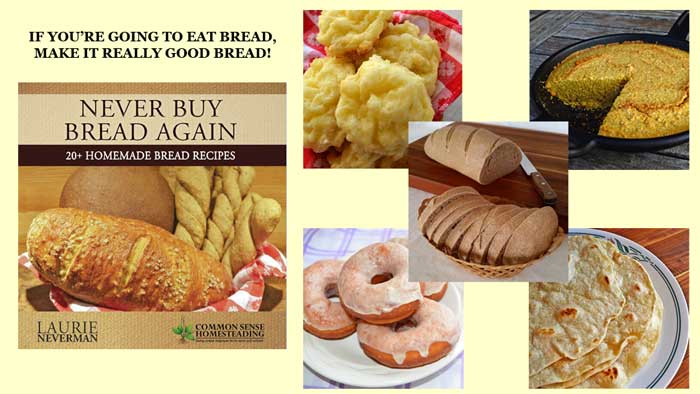
Homemade Yeast Bread Recipes
Note: I use SAF-INSTANT yeast, which does not require proofing (activating the yeast in warm liquid). You can substitute bread machine yeast or active dry yeast.
To substitute active dry yeast:
Dissolve active in warm liquid before adding the rest of the ingredients, and use a little extra active dry yeast. For more on yeast substitutions, visit Yeast FAQ at The Fresh Loaf.
Use bread flour or hard wheat flour for yeast breads, unless otherwise indicated.
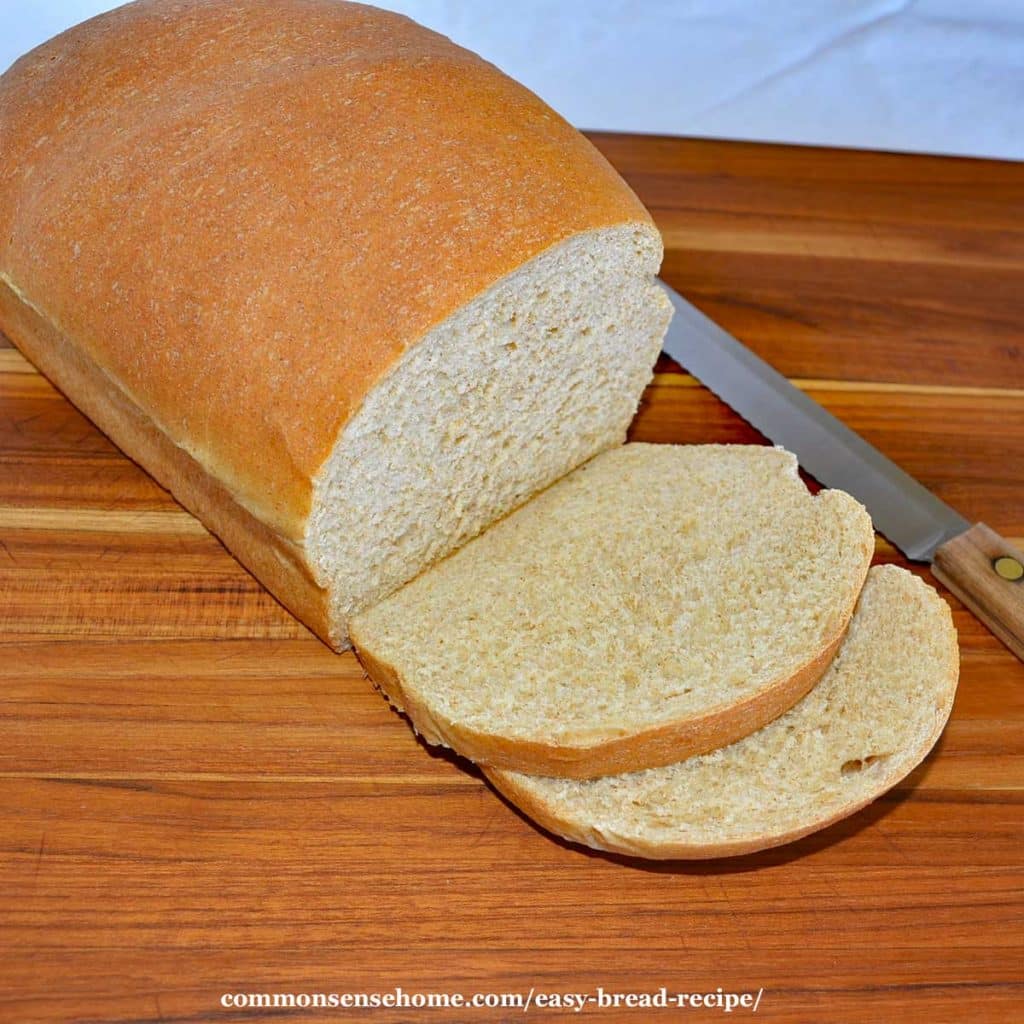
Our Favorite Bread Recipe – This easy homemade bread has eggs and butter for extra richness. It’s a great recipe for sandwich bread, dinner rolls or buns for burgers, brats or sloppy joes.
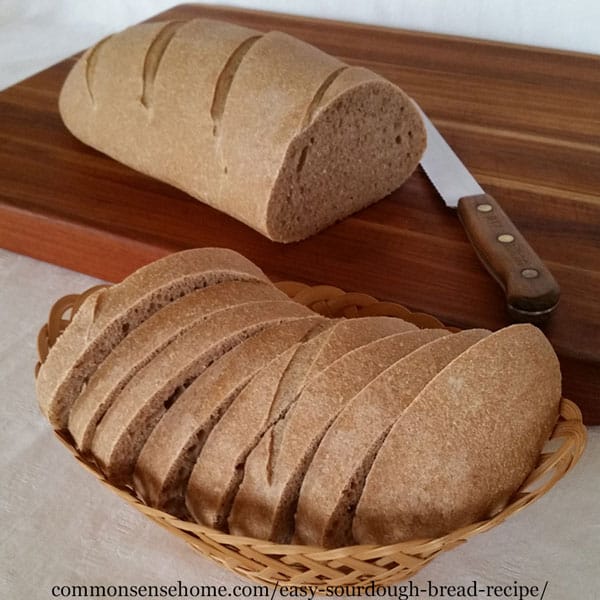
Easy Sourdough Bread – This simple sourdough recipe uses only four ingredients – sourdough starter, flour, water and salt. The post also includes how to create a sourdough starter.
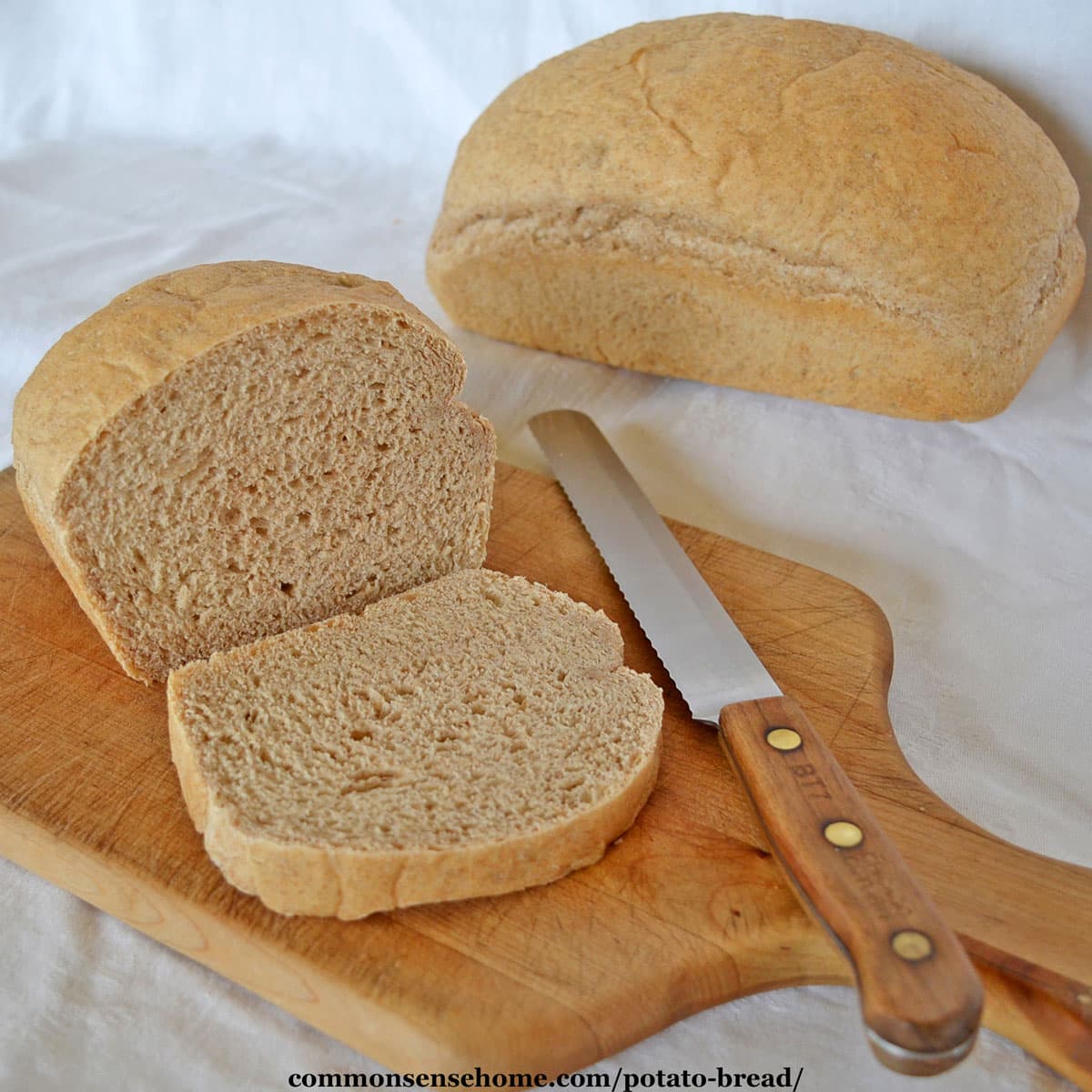
Potato Bread using Leftover Mashed Potatoes – Give leftover mashed potatoes a second life with this light and tender sandwich bread.
If you don’t have leftover potatoes, simply cook and mash a potato or two, as needed.
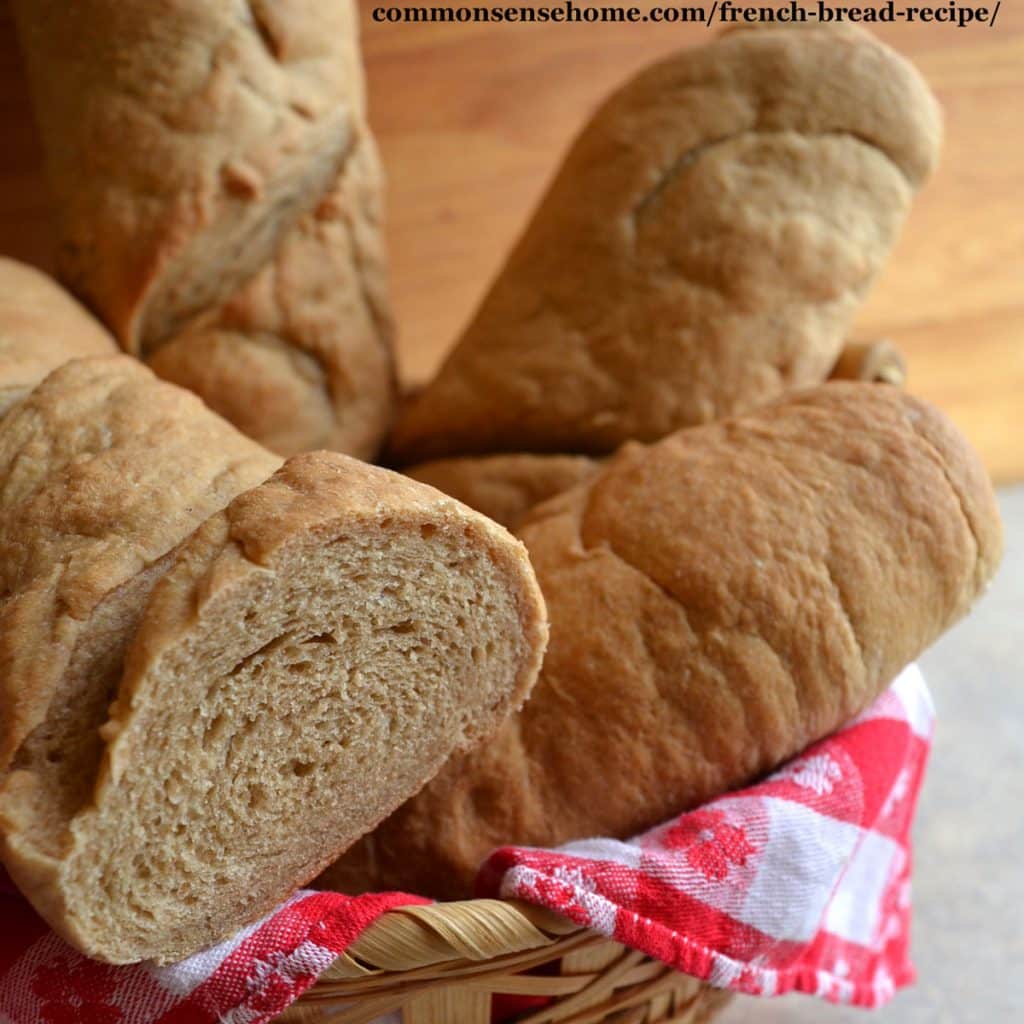
Crusty French Bread – This crusty French Bread recipe is great with soups and stews, as loaves, twists or bread bowls. It’s best enjoyed fresh to preserve the crackly crust, but makes an excellent French toast if there are any leftovers.
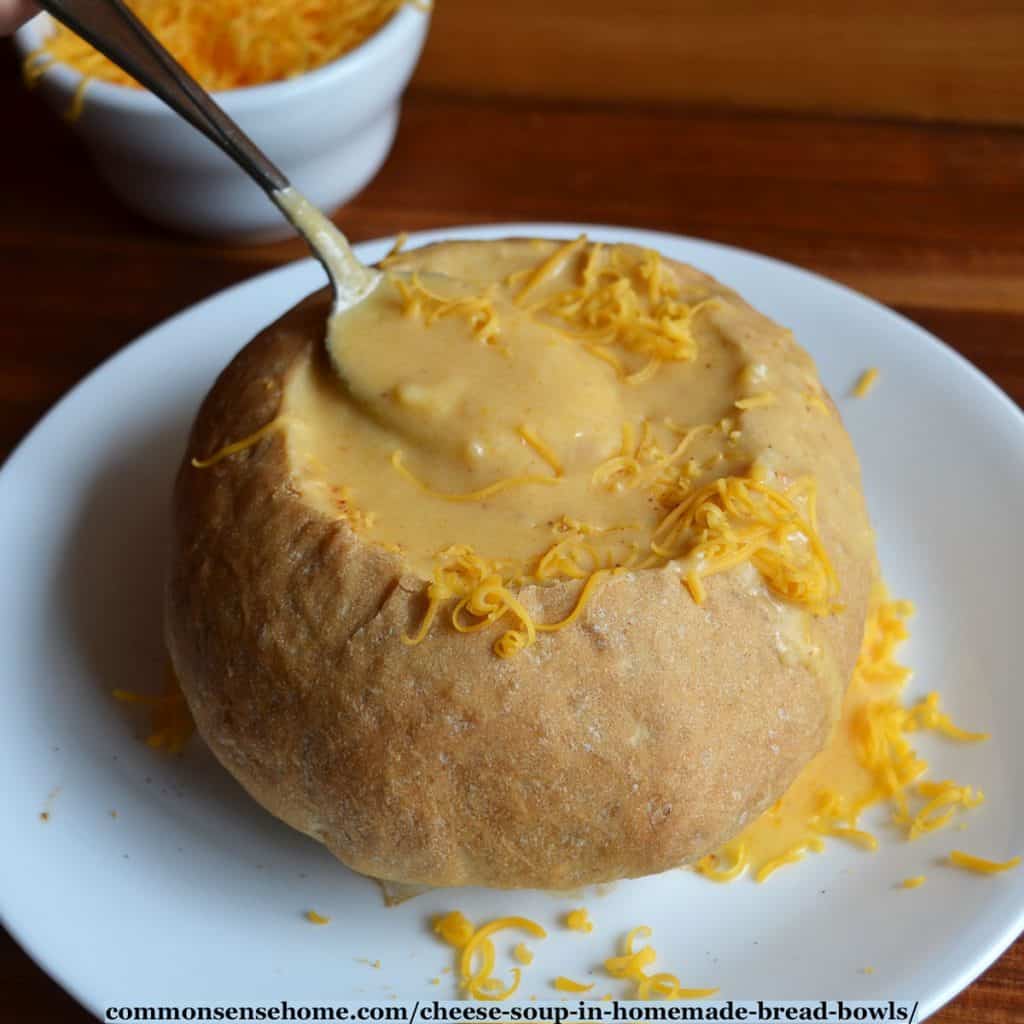
Cheese Soup in Bread Bowls – Now we don’t have to wait for the fair or a restaurant visit to enjoy the crispy crust of a bread bowl filled with piping hot soup. It’s warm and filling – plus, it’s budget friendly.
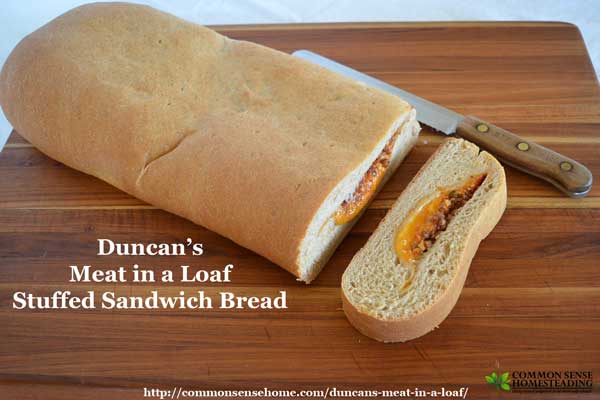
Duncan’s Meat in a Loaf – This is one of my youngest’s favorites, bread and meat all in one. Makes a great hot sandwich option for feeding a crowd.
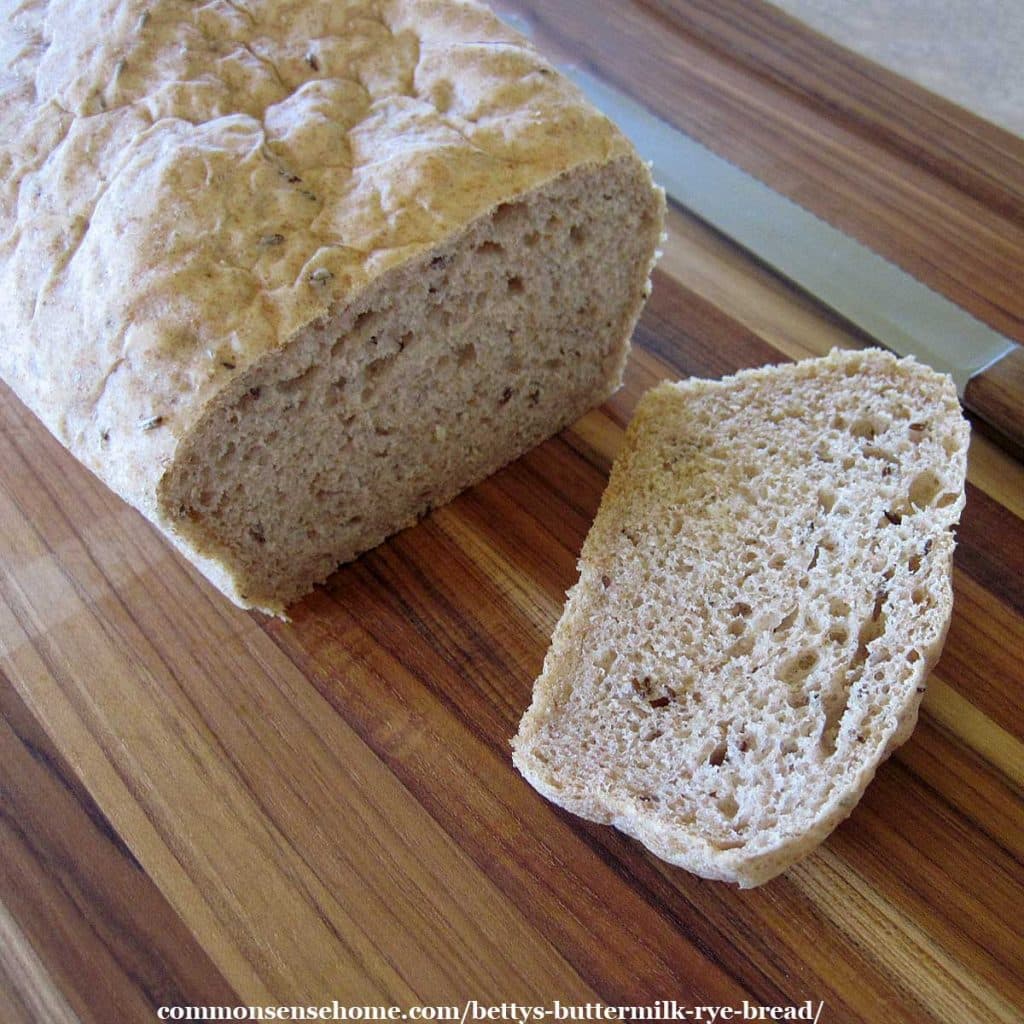
Betty’s Buttermilk Rye Bread This easy rye bread recipe makes a delicious loaf of bread with a tender crumb. The flavor is mild – great for sandwiches, toast, or butter and jam.
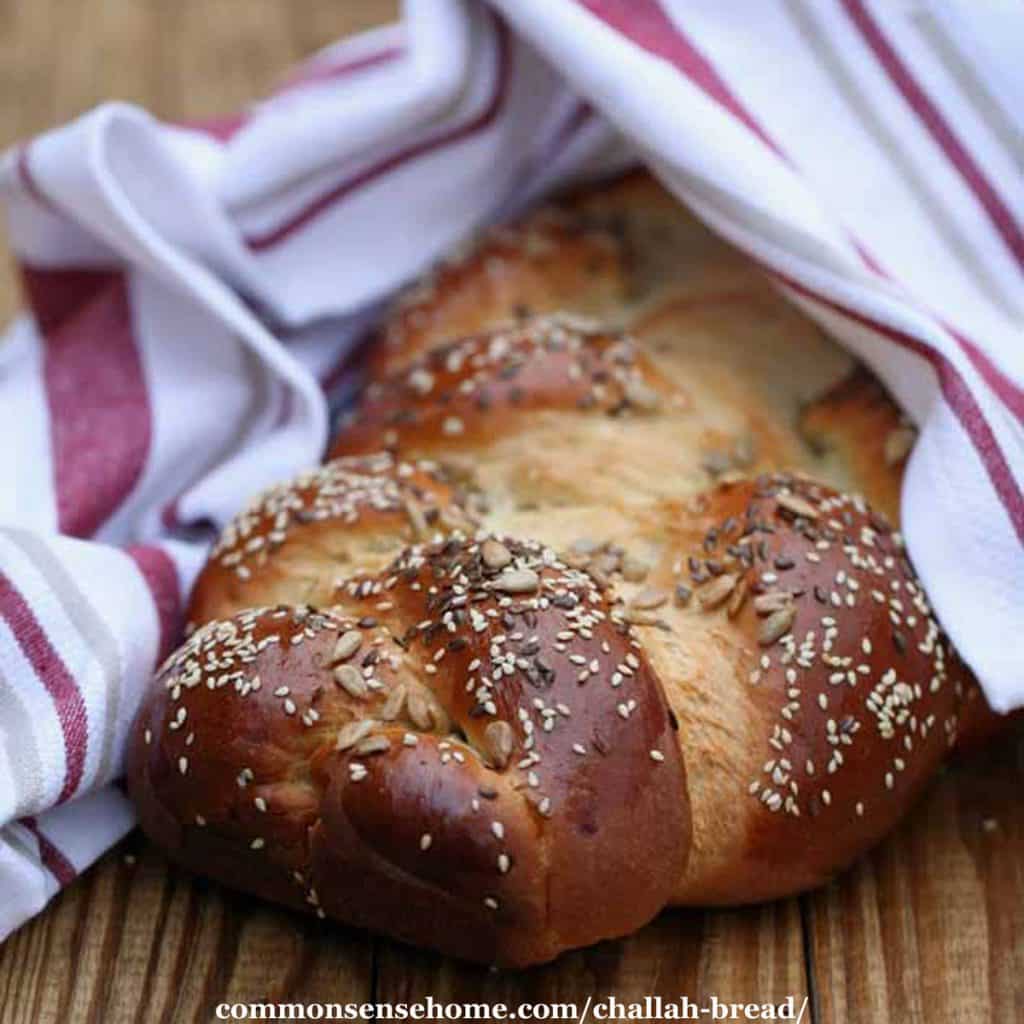
Challah Bread from Lady Lee’s Homestead. Challah is the traditional Jewish Sabbath bread, rich with eggs and oil, and a bit sweet. While commonly served as an oblong braided loaf, on Rosh Hashanah, round challah is served to symbolize eternal life.
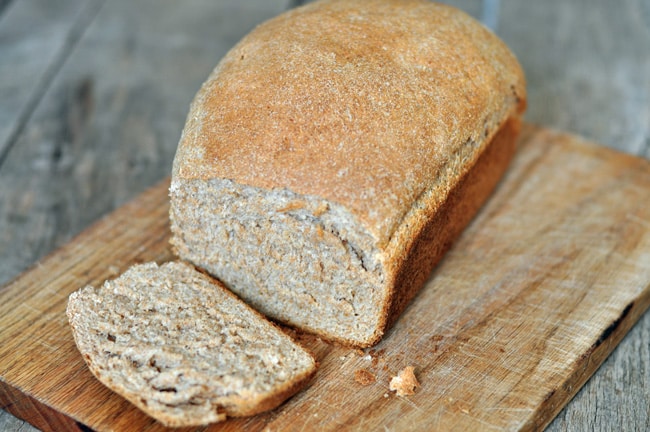
Whole Wheat Bread – Sprouted or Soaked – If you have trouble digesting wheat, you make want to try soaking or sprouting.
Still not getting the results you’d like with homemade bread?
Check out the post, “Troubleshooting Tips to Help You Bake the Perfect Loaf of Bread“.
Gluten Free Bread Recipes
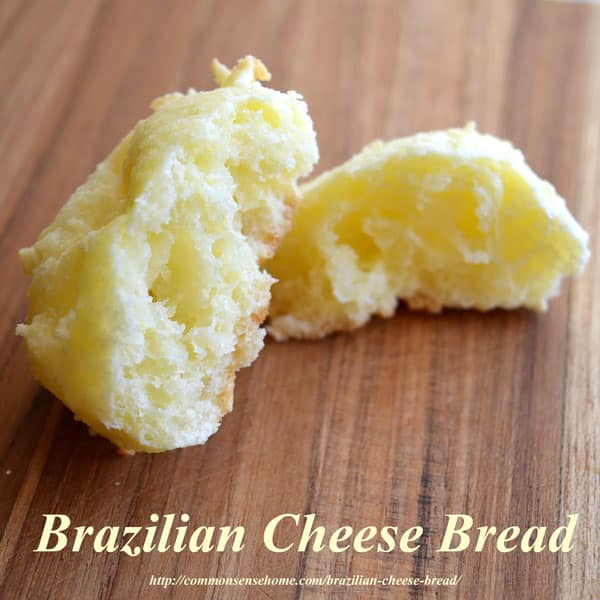
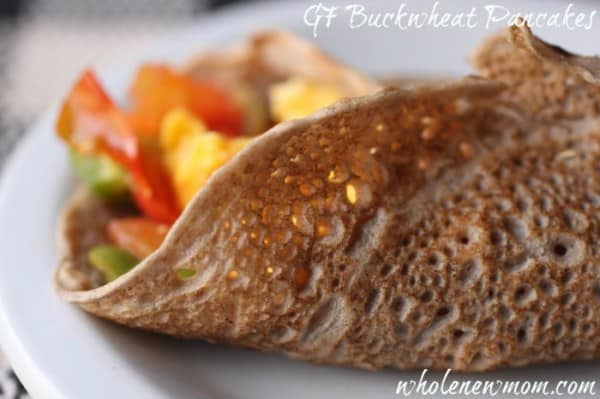
Brazilian Cheese Bread – Makes a great gluten free hamburger or sandwich bun
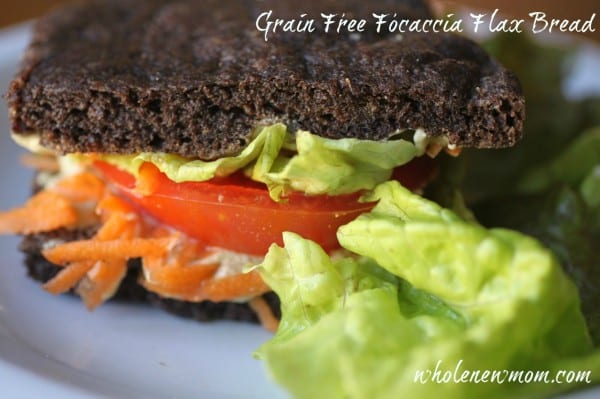
Would you like to save this?
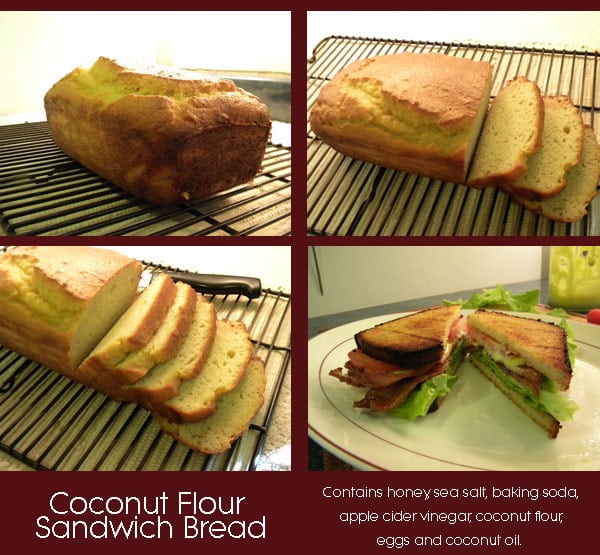
Starlene from GAPS Diet Journey has a new e-book with coconut flour sandwich bread called “Beyond Grain and Dairy“.
The book contains 113 recipes that are gluten and dairy free. This recipe is also featured in her e-book, “Baking with Coconut Flour“. “Baking with Coconut Flour” includes recipes – PLUS – a step by step formula to convert standard recipes to coconut flour recipes.
I hope these beautiful breads will encourage you to do more bread baking at home. Don’t forget to Pin this post for later and share it. 🙂
If you need even more recipes, check out the Recipes page, which lists all the recipes on the website.
Originally published in 2013, last updated in 2020.
Thank you for the wonderful bread recipes. I will be trying several. I do want to tell you that I really enjoy your newsletter. I love reading about your family life, the animals and gardens of you and your neighbors. Thanks you so much. Looking forward to more of the same. Have a blessed day!
Thanks, Rose. Enjoy, and tell your friends about the site. 😉
Thanks for the recipes. I am trying to make as many new recipes as possible while quarantined. Can’t wait to try these.
we almost never buy white bread. we buy breads with all kinds of seeds and grains. Seems it is too hard to have healthy breads made at home.
You could use whole wheat flour in any of these recipes. (I use an organic white wheat, so the color of the loaves is fairly light.) If you like seeds or oatmeal in your bread, you can mix in a handful along with the flour. Not tough at all. Homemade bread has a short ingredient list with no artificial anything.
can you use a bread maker for these
Some of them, as noted in specific recipes. The sandwich bread, buttermilk rye and potato bread recipes work well in a bread machine.
Does anyone make Salt Rising Bread anymore ?
I used to be able to buy it 40 plus yes ago when I lived in California.
It’s still out there, but I haven’t tried it yet.
Without having to read all of the recipes entirely, are any of these sugar free? I have to buy sugar free bread and it is expensive. Would be so nice to make my own. Thanx in advance for your reply.
What, specifically, are you looking for in a “sugar free” bread? If you eliminate sugar but still use white flour, that bread’s going to have a high glycemic index. If you’re looking for a bread with a lower glycemic index, try some of the gluten free options (but not the Brazilian cheese bread, as that uses tapioca flour).
What no Rye recipes?
Only one light rye recipe, as I’m the only one in the house who likes rye and I am gluten free right now.
Hi Laurie, thanks for putting the pin of this post in the Pinterest Game. Good Luck and we hope to see more of your pins on Friday.
Kathleen
Would love to bake breads. It sounds wonderful to whip up a loaf in ever so many ways. Thank you so much for the enthusiasm. Sincerely, Naomi
Hi
How come the photos of “potato bread made with leftover patatoes” and “Betty’s buttermilk rye bread” are the same, on the same countertop and with the same knife beside? They seem to be the same bread even!
I’d like to share a tip for baking bread as well. I bake my bread (750 g bread flour (called nbr 55 in Europe), 450g tepid water, 23g fresh yeast, pinch of sugar, 2 coffee spoons of salt, start in a cold oven-bake 1 hour) in a heavy iron cast cooking pot . To me, after a lot of experimenting, this is the best way to cook bread. The moisture stays inside the crockpot, the crust is nice and crispy and it is well cooked.
Lizzie
The photos of the bread look similar because I take all my own photos in my house on my counter tops and cutting boards, and I have one good bread knife that I use all the time. Whole wheat flour and rye flour are very similar in color, thus the breads are similar in color. If you look closely at the rye bread, you will see small dark flecks in the loaf. These are caraway seeds. The rye bread is not a pumpernickel rye, would would have coffee or cocoa powder added for extra color.
If you are looking for a website will all photos professionally styled and different props for every photo, this is probably not the right website for you.
I thought you had the Best Ever Bread recipe, but can’t find it now. Did you post the link?
What you see is what’s available currently on my site. I didn’t post anything specifically with that title.
I’ve heard that white flour and whole wheat are very detrimental to health. Do you have any bread recipes that don’t use white and whole wheat flour?
Yes, the gluten free recipes in the second half of the list are wheat free.
Great collection thanks
This will be my next adventure. We have to find an alternative to Udi’s!