Jan 242013
 

Zukay Live Foods Kvass

Recently I was contacted by Zac from Zukay Live Foods, who asked me if I would be interested in reviewing their Zukay Live Foods Kvass.  Never one to turn down a chance to try something new, I told him to send some over.  :-)

What the heck is kvass, and what is it made of?

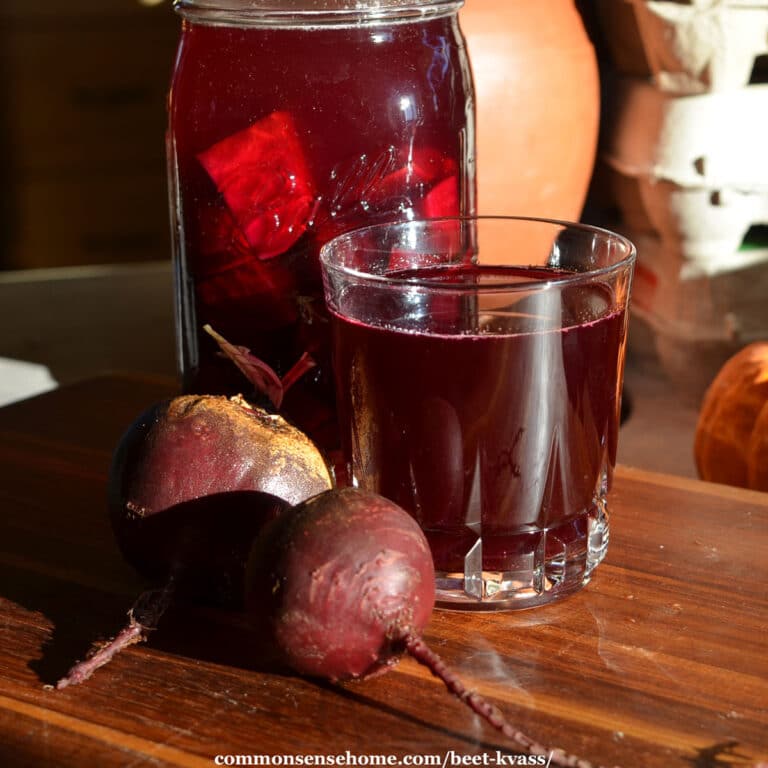
Kvass is a raw, naturally fermented (probiotic) beverage made from bread or vegetables.  In the case of Zukay Live Foods, they source raw, organic vegetables – locally and in season whenever possible – from Lancaster Farm Fresh Co-op.  They use a few dry roots, herbs and spices from Mountain Rose Herbs, and a small amount of raw, organic stevia for sweetness.  The salt they use is Celtic Seas Salt from Selina Naturally, which has a full range a natural minerals.  The vegetables are naturally fermented (think sauerkraut), then juiced and bottled – that’s it. Continue reading »

Dec 062011
 

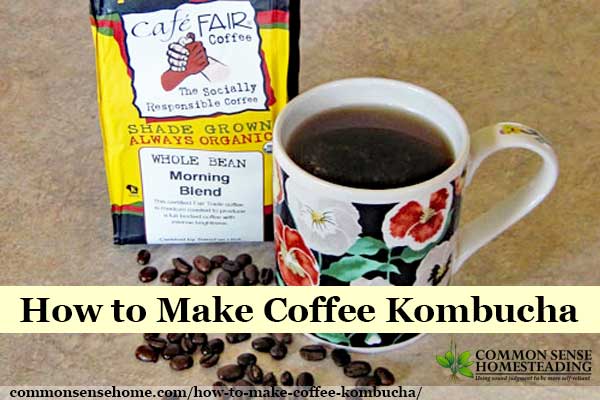
How to Make Coffee Kombucha @ Common Sense Homesteading

Extra scobys rolling around? Want to try a different kombucha flavor?  Looking for a healthier twist on the morning coffee?  How about brewing up some coffee kombucha?

This recipe is from Cultures for Health.  They have a TON of resources and recipes available, including free recipe e-books and troubleshooting tips.

Coffee Kombucha Recipe

Ingredients:

2 quarts Freshly Brewed Plain Coffee
1/2 cup Sugar
Kombucha Scoby

Directions:

In a glass or ceramic container, dissolve the sugar in the hot coffee and allow the mixture to cool to room temperature. Be sure the coffee is free of left over coffee grounds.  (Chunks = not good.)  I used a short, wide half gallon jar that I had gotten from a neighbor.

Add the Kombucha scoby to the liquid.  Unlike regular kombucha (made with tea), you don’t need to add liquid from a previous batch because coffee is so acidic to start.

Cover the jar with a tight-weave tea towel, paper coffee filter, etc. secured with a tight rubber band. This covering will allow the gas created during fermentation to escape while keeping bugs out. (Fruit flies love kombucha.  If you want to catch and trap fruit flies, put some kombucha  in a shallow bowl with a drop of dish soap.  End of problem.)  I use my small dish clothes as covers.  I label my ferments with contents and date written on masking tape to make it easier to keep track of what’s what.

Allow the jar to sit undisturbed at room temperature out of direct sunlight for at least seven days. (sun sterilizes – not a good thing when you’re dealing with live foods.) After seven days, start tasting the Kombucha daily using a straw. Halt the process when the Kombucha Coffee tastes pleasant to you.

I brewed mine for seven days.   A friend finished hers a few days before I did, and said it tasted terrible – very bitter.  I didn’t find this to be the case at all.  Mine tasted like mildly sweet coffee.  Maybe it was the different coffees that we started with?  You can also blend this with cream or kefir and some ice to make a whipped coffee drink, but I’ve just been sipping it straight.

My scoby was very thin on this kombucha, frankly somewhat anemic looking.

That’s okay, because CFH advises you not to reuse the scoby after this brew.  I drank some right away and bottled and labeled the rest for later.  It’s living in our “seasonal fridge” – the garage – where it’s nice and cool.

Additional Considerations When Making Kombucha Coffee (from Cultures for Health):

  • Coffee is very acidic therefore starter Kombucha tea or vinegar is not required (unlike when Kombucha is made with black, green or herbal teas).
  • Because coffee contains oils, it is possible for rancidity to occur. Watch your batch closely and limit fermentation time to only what is necessary to achieve the desired taste. Never consume any Kombucha which looks, tastes or smells unpleasant.
  • Coffee will generally stain the Kombucha Culture so you may see brown spots on the Scoby.
  • Some people claim Kombucha Coffee brews faster than Kombucha Tea while others claim it is slower. Be sure to taste your batch regularly so you can stop the fermentation process at the point you find the taste agreeable.
  • Kombucha Coffee should be served room temperature or cold. Do not heat the Kombucha Coffee as heating will destroy most of the beneficial yeasts and bacteria.
  • Some people find that Kombucha Coffee is less acidic to drink than regular coffee.

In Wild Fermentation, the author discussed how they had used a scoby to ferment Mountain Dew, but I haven’t tried that option.  Have you experimented with other sweet liquids for brewing kombucha?  I’d be interested in hearing about other options you may have tried.

You may also enjoy:

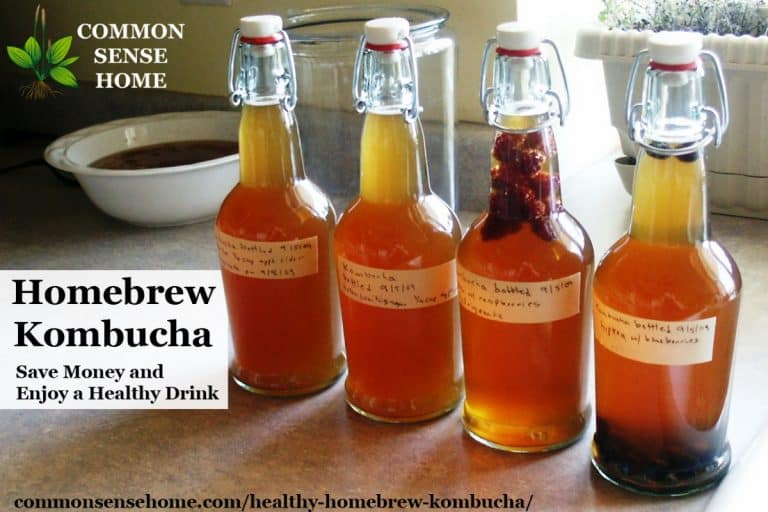
Healthy Homebrew – Kombucha – How to brew kombucha

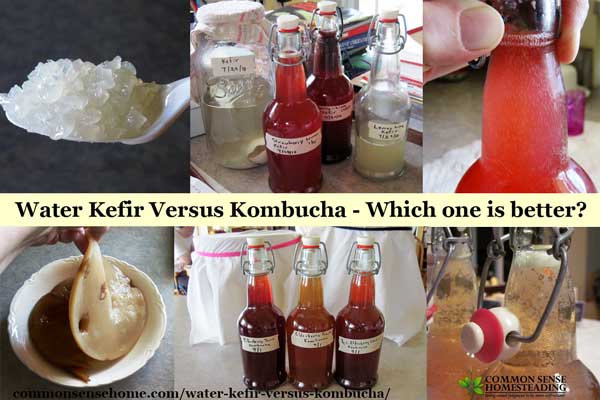
Water Kefir Versus Kombucha – What’s the difference between water kefir and kombucha?

Flavoring Kombucha and Kombucha Testimonials – Tips for flavoring kombucha and stories about how people I know have been helped by kombucha

Kombucha Q and A and More Flavoring Ideas – More flavoring ideas and all the Q and A from the comments in a more readable format

How to Flavor Kombucha – Holiday Flavors – Fun seasonal flavor ideas.

This post has been added to Simple Lives Thursday at Sustainable Eats.
Nov 222011
 
How to Flavor Kombucha - Holiday Flavors @ Common Sense Homesteading
Cranberry Collins Kombucha

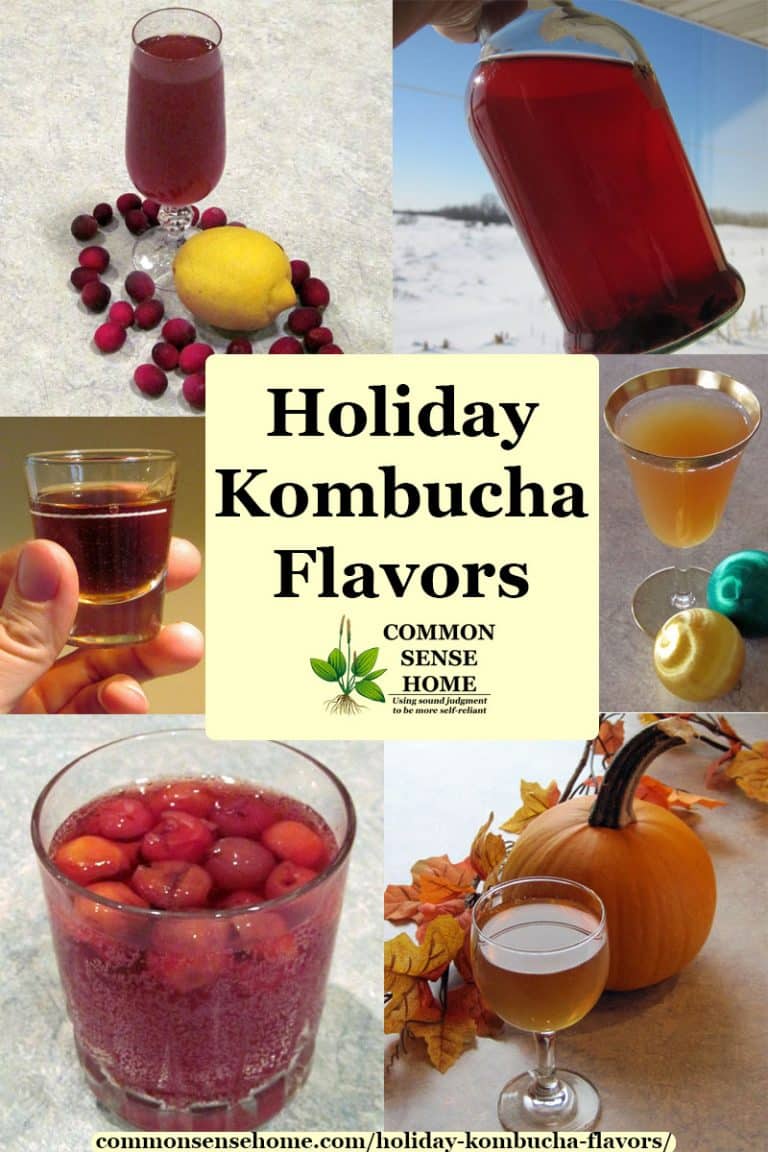
Since I brew my own, I’m always experimenting with different ideas for how to flavor kombucha.  With the holidays upon us, I figured I’d try some favorite holiday ingredients and see if they’d make a tasty brew.

Most of these start with basic kombucha made with black tea, unless otherwise noted.  Flavorings were added to a 16 ounce bail top jar, or a pint or quart mason jar, as noted.  Flavorings are added after the initial brew when the kombucha is bottled. You add the flavorings and fill jar with plain kombucha.  Serve immediately, or store for a few days (sealed) to increase carbonation.

Recipes with lots of spices are best consumed within a few days, otherwise you may diminish the potency of your kombucha (many spices are antibacterial, and kombucha is made up in part of bacteria).

Cranberry Collins Kombucha (shown above)

To a quart jar add:
1/2 cup cranberry juice, plain unsweetened
1 tablespoon lemon juice
1 tablespoon maple syrup

To a 12 ounce jar add:
1/4 cup cranberry juice, plain unsweetened
1 1/2 teaspoon lemon juice
1 1/2 teaspoon  maple syrup

Pumpkin Spice Kombucha

Pumpkin Spice Kombucha

To a pint jar add:

2 tablespoons pumpkin puree
A “shake” each of powdered nutmeg, cloves, cinnamon and ginger
3 drops liquid vanilla stevia (optional)

When ready to serve, strain or pour off the top of the jar to have a chunk free beverage, or stir to get all the pumpkin goodness.

Ginger Spice Kombucha

To a quart jar or a 12 ounce jar, add freshly slivered ginger to taste, generally from 1 1/2 teaspoons to 1/4 cup. (I like a little less, I have friends who like much more.)

Toffee Apple Kombucha

Toffee Apple Kombucha

To a 12 ounce bottle add:

1/4 cup apple cider
6 drops English Toffee liquid stevia

this flavor option also goes very well with almond blossom oolong tea from Frontier.

Toffee Almond Kombucha

To a 12 ounce bottle add:
6 drops English Toffee flavored liquid stevia
1/8 teaspoon almond extract

Apple Cinnamon Kombucha

To a quart jar add:

1 cinnamon stick
1/2 cup apple cider

To a 12 ounce bottle add:

1 thin cinnamon stick (it will swell as it absorbs moisture and large ones will be hard to get out of the bottle)
1/4 cup apple cider

Cinnamon Spice Kombucha

To a quart jar add:

1 cinnamon stick
2 cloves
A small slice of fresh ginger

Cherry Bounce Kombucha

Cherry Bounce Kombucha

To a quart jar add:
1/4 cup dark cherry juice
Enough tart cherries to cover the bottom of the jar

Pomegranate juice and  African redbush tea also pair well with cherries.

Citrus Punch Kombucha

Citrus Punch Kombucha

To a 12 ounce jar add:
1 tablespoon each lime, orange and lemon juice

Peppermint Patty Kombucha

Peppermint Patty Kombucha

1/8 teaspoon peppermint extract
1/8 teaspoon chocolate extract *

Fill jar with plain kombucha.  Serve immediately, or store for a few days (sealed) at increase carbonation.

*Note – chocolate extract may have questionable ingredients, so read the label. Alternately, you could use plain cocoa or chocolate drink mix, but those don’t blend nearly as well.

You may also enjoy:

Healthy Homebrew – Kombucha – How to brew kombucha

Water Kefir Versus Kombucha – What’s the difference between water kefir and kombucha?

Flavoring Kombucha and Kombucha Testimonials – Tips for flavoring kombucha and stories about how people I know have been helped by kombucha

Kombucha Q and A and More Flavoring Ideas – More flavoring ideas and all the Q and A from the comments in a more readable format

How to Make Coffee Kombucha – Using coffee instead of tea to brew kombucha

Oct 222011
 

Home Remedies for Stomach Flu @ Common Sense Homesteading
I was “blessed” this week with an opportunity to check out the effectiveness of various home remedies for stomach flu.  Monday before bedtime I was hit with stomach cramps and diarrhea, and Tuesday morning I was still feeling the pain.  So I did what any good blogging mom would do – turned it into a post.  Let’s start with some background information on the stomach flu.

First off, the “stomach flu” isn’t really the “flu” at all (it still makes you feel lousy).  It is caused by viruses, but not caused by the influenza virus. Viral Gastroenteritis (stomach flu) is the second most common illness in the United States. It causes millions of cases of diarrhea each year.  Heart Spring breaks down the symptoms and causes of the stomach flu.

Stomach Flu Symptoms

The main symptoms of Stomach Flu (Viral Gastroenteritis) are watery diarrhea and vomiting. Other symptoms are headache, fever, chills, and abdominal pain. Symptoms usually appear within 4 to 48 hours after exposure to the virus and last for 1 to 2 days, though symptoms can last as long as 10 days.

Stomach Flu Causes

The viruses that cause Stomach Flu (Viral Gastroenteritis) damage the cells in the lining of the small intestine. As a result, fluids leak from the cells into the intestine and produce watery diarrhea. Four types of viruses cause most Stomach Flu (Viral Gastroenteritis).

Rotavirus is the leading cause among children 3 to 15 months old and the most common cause of diarrhea in children under the age of 5 years. Symptoms of rotavirus infection appear 1 to 2 days after exposure. Rotavirus typically causes vomiting and watery diarrhea for 3 to 8 days, along with fever and abdominal pain. Rotavirus can also infect adults who are in close contact with infected children, but the symptoms in adults are milder. In the United States, rotavirus infections are most common from November to April.

Adenovirus occurs mainly in children under the age of 2 years. Of the 49 types of adenoviruses, one strain affects the gastrointestinal tract causing vomiting and diarrhea. Symptoms typically appear 1 week after exposure. Adenovirus infections occur year round.

Caliciviruses cause infection in people of all ages. This family of viruses is divided into 4 types, the noroviruses being the most common and most responsible for infecting people. The noroviruses are usually responsible for epidemics of Stomach Flu (Viral Gastroenteritis) and occur more frequently from October to April. Infected people experience vomiting and diarrhea, fatigue, headache, and sometimes muscle aches. The symptoms appear within 1 to 3 days of exposure.

Astrovirus also infects primarily infants, young children, and the elderly. This virus is most active during the winter months. Vomiting and diarrhea appear within 1 to 3 days of exposure.

They also state, “People who no longer have symptoms may still be contagious, since the virus can be found in their stool for up to 2 weeks after they recover from their illness. Also, people can become infected without having symptoms and they can still spread the infection.”  I suspect I became infected after spending the evening with family members who had “just gotten over the flu”, since my symptoms appeared roughly 48 hours after contact.

Typically, what I’ve seen recommended for stomach flu treatment are options like the BRAT diet (Bananas, Rice, Applesauce, Toast), and hydration with products like Gatorade.  I’m not going to suggest those options to you.  While the BRAT diet is chosen to be non-irritating, evidence suggests that it may not help you heal, and may even slow the process of healing.  In an article from Emergency Medicine News, they state (emphasis mine):

Over the past 10 years, however, a consensus has developed that this dietary restriction is a suboptimal choice because it is low in protein, fat, and energy content. This limited intake is not considered helpful to the body’s healing or immune response to infection.

They go on to explain that:

“…many studies have shown that unrestricted diets do not worsen the course or symptoms of mild diarrhea. For moderate to severe diarrhea, fatty foods and foods high in simple sugars (including sweetened teas, juices, and soft drinks) should be avoided. Appropriate foods include lean meats, yogurts, fruits, and vegetables, as well as complex carbohydrates like rice, wheat, potatoes, bread, and cereals.”

Gramma’s Medicine Cabinet offers a long list of home remedies, including chamomile, mint, lemon banana, salt, rice, applesauce, toast and crackers, turmeric, garlic, yogurt and dried blueberries.

Here are my suggestions for treating stomach flu symptoms at home:

*Remember, if your symptoms persists more than 48 hours or are causing undo pain or other major problems, consult your doctor, as it may be a sign of a more serious illness.*

Stay hydrated – Skip anything with lots of sugar, caffeine or artificial anything (sports drinks, coffee, sodas, undiluted fruit juice, etc).  Stay with soothing drinks like mint or chamomile tea, or restorative ones like coconut water or bone broth.  Broth is loaded with nutrients and minerals that aid healing.  For my broth recipe, shown at the top of the post in a batch of chicken soup, visit Beautiful Broth.

Coconut water is high in electrolytes.   If you want to have fruit juice for the little ones, please dilute it so that there’s not as much sugar.  Go for color free/additive free electrolyte drinks if you must.  Small  sips at regular intervals are easier on the abdomen than large quantities at once.

Eat or drink your probiotics – Live culture foods help populate your digestive tract with healthy bacteria and other friendly beasties.  This can help your body crowd out the troublemakers and speed your recovery.  Yogurt, milk kefir, water kefir, kombucha, and lacto-fermented foods all contain bacteria that promotes a healthy immune system.  You can, of course, purchase these items from the store or buy the little capsules, but it’s really easy to make you own at home.  I made a version of this probiotic smoothie while I was sick, and it sat very well in my sore tummy.  Again, small servings, especially with the kombucha, which can have a detox effect.  No more than 2-4 ounces per day of kombucha tea.  Yogurt and kefir are gentler and safer in larger amounts (up to eight ounces per day).

Try Nutiva Chia SeedsTry Some ChiaChia seeds are hydrophilic, which means they absorb water (up to 12 times their weight in water).  You can use this property to your advantage by thoroughly hydrating the seeds before consuming them, using the seeds to carry water into you body.  The gel-like coating that forms around the hydrated seeds soothes your digestive tract and slowly releases the water into your body as they pass through your system.  In my case, I placed some yogurt and milk kefir into my Vitamix, poured in a tablespoon of chia, mixed slightly, and then let it sit and soak for 10 minutes before finishing the smoothie preparation.  If you want something more basic, try chia fresca.

Chia Fresca recipe

1 tablespoon of dry chia seeds
10 ounces water.
2 teaspoons lime juice (or one tablespoon lemon juice)
Two teaspoons sugar or 1 tsp stevia powder
Mix chia seeds and water.  Let stand ten minutes.  Add juice and sweetener and mix well.

Comfort yourself -  Take a soothing warm shower to relax sore muscles.  If you can bear it, try a warm bath with a cup of Epsom salts (at the risk of TMI, be careful if you are coping with diarrhea, as the muscle relaxation could result in “poop soup”).  The warm bath option is probably best for late in the illness, when fatigue and muscle cramping have led to significant muscle soreness, but the worse of the vomiting and/or diarrhea has passed.  Place a hot pack on the lower back or abdominal area to help ease cramping.

Beyond these options, if your stomach can keep it down, eat lightly of nourishing real foods.  Since “stomach flu” is viral, antibiotics will not help.  Again, if you are experiencing severe pain or other complications, pleas consult your healthcare practitioner, as serious food borne illness may sometimes present in a manner that resembles stomach flu.

If you’ve found this post helpful, you may also enjoy the other posts in this series:
Preparing for Cold and Flu Season – Step #1- Probiotics
Preparing for Cold and Flu Season with Essential Oils
The Best Vitamins and Minerals for Fighting Colds and Flus
The Best Herbs and Spices for Fighting Cold and Flu Symptoms, Plus a “Secret Weapon”

**Note:  This post was originally published on Living Well Moms.  Thankfully, I did not have the flu this week, and haven’t had it since this post was written.


Oct 152011
 

Fight Colds and Flus with Probiotics @ Common Sense Homesteading

What are probiotics?

Probiotics are beneficial microorganisms similar to the “friendly” bacteria found naturally in the body’s digestive system. Howard Hughes Medical Institute (HHMI) of Maryland states that we each house two to five pounds (1.0 to 2.26 kilograms) of live bacteria inside our bodies.

How do probiotics work?

Unlike antibiotics, which work by killing bacteria, both friendly and unfriendly, probiotics work with your body.  By boosting populations of beneficial bacteria, you effectively crowd out the bad bacteria, at at the very least make it more difficult for them to thrive.

Do probiotics really help with colds and flu?

Yes.  After an 18 month study that examined the effect of probiotics Lactobacillus acidophilus and Bifidobacterium animalis on children aged 3 to 5, the results showed that:

  • the Lactobacillus acidophilus group had 53% fewer fevers, 41% fewer coughs, and 28% fewer runny noses than the placebo group
  • the group given both bacteria strains had 72% fewer fevers, 62% fewer coughs, and 59% fewer runny noses than the placebo group
  • the Lactobacillus acidophilus group recovered from cold symptoms 32% faster and the two-bacteria group recovered 48% faster than the placebo group, when they did get sick, with less antibiotic use (68% and 84% less, respectively)

In the article “Probiotics and the Flu“, the National Kefir Association states:

Probiotic-containing foods like kefir are essential during cold and flu season for preventing offending molecules from entering the bloodstream and creating reactions that can cause symptoms of ill health. South Africa-based Ingrid van Heerden, D.Sc, “DietDoc” for www.health24.com, says that probiotic containing foods like kefir are important for maintaining a strong natural defense system because they stimulate the production of immunoglobulin in the intestines, which improves the body’s immune response.

A recent survey of kombucha drinkers indicated that 82% felt they had increased resistance to cold and flus.

black tea and green tea kombucha

Other studies have shown similarly positive results. If you consider how much surface area there is in the digestive track (some estimates calculate that it forms up to 70% of the immune system), it makes sense that keeping it healthy helps keep you healthy.

IBS (irritable bowel syndrome) and (IBD) inflammatory bowel disease are other ailments that plague many people as they age. New studies are showing that certain probiotics can help with IBS and IBD symptoms, too – without the side effects of medications. To address problems in the intestinal tract, researchers have focused on probiotics that remain intact past the stomach (yogurt is not going to help much), such as Lactobaccilus plantarum 299v. Lactobaccilus plantarum species are commonly found in milk kefir (along with many other beneficial bacteria and yeasts).  (You can see my post on fermenting yogurt and milk kefir here, along with my “secret weapon” for cold weather fermenting.)

Can I make probiotics at home?

Yes – and it’s easy!  I have started fermenting kombucha, milk kefir, water kefir, and viili yogurt. I got my kefir grains and yogurt culture (and sourdough starter) from Cultures for Health and my kombucha scoby from a friend. You may also be able to find starters through online forums such as  Heal Thyself.  I tried beet kvass, but no one would drink it except for me. The post “Water Kefir Versus Kombucha” identifies the probiotics typically found in water kefir and kombucha.

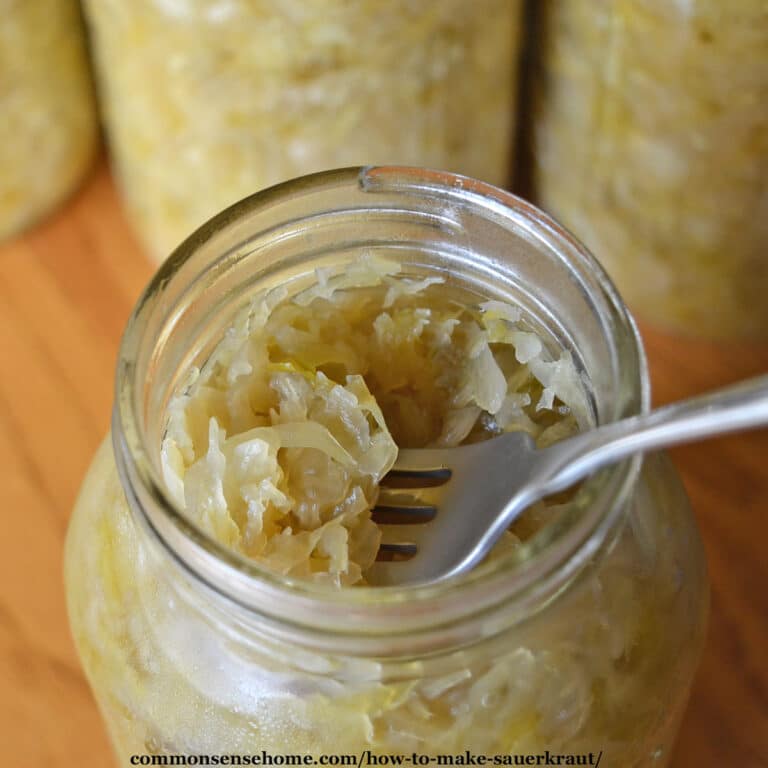
I’ve made sauerkraut, lacto-fermented asparagus, and lacto-fermented dilly beans.  Any naturally fermented product that is not heat treated (pasteurized) is likely to help.

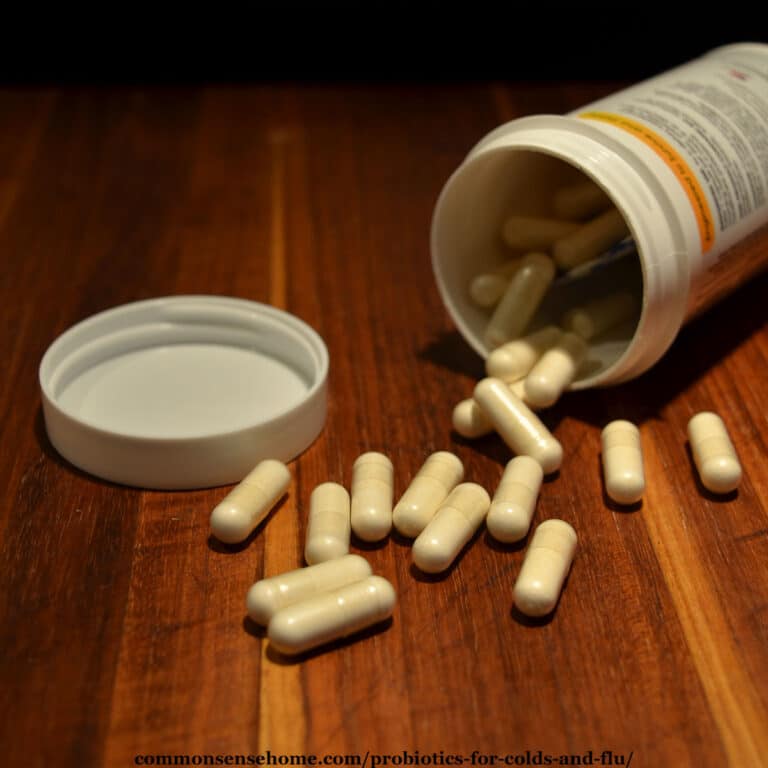
If you purchase probiotics, make sure you look for live and active cultures (read the label – you want good bacteria that are still frisky). Watch out for brands that are full of sugar and/or artificial ingredients. These work against your body’s ability to heal.

I know many of us are looking for ways to keep our food budgets low while still preparing healthy foods for our families. Fermenting at home can provide healthy foods for pennies on the dollar compared to store products.   You can also “sneak” probiotics in for fussy eaters by making probiotic smoothies using your homemade ferments, such as probiotic smoothies.

Duncan’s breakfast smoothie

I hope you’ll be encouraged to add more live foods to your diet this year, and keep an eye out here and on my blog for more information on their benefits and how to culture your own.  It takes time to build up the numbers of protective organisms in your digestive track, so it’s best to start as soon as possible taking live culture foods to boost your immunity before cold and flu season gets into full swing.

If you’ve found this post helpful, you may also enjoy the next posts in the series:

Preparing for Cold and Flu Season with Essential Oils

The Best Vitamins and Minerals for Fighting Colds and Flus

The Best Herbs and Spices for Colds and Flus – Plus a “Secret Weapon”

Coping with Stomach Flu Symptoms (Why the BRAT diet may not be your best choice)

If you want to know more about live culture foods, but don’t have a clue, check out The Complete Idiot’s Guide to Fermenting Foods by my friend, Wardeh, from GNOWFGLINS.