Mar 232013
 

Kick the Soda Habit - Brew Your Own Kombucha @ Common Sense Homesteading

I’ve been brewing my own kombucha at home for over four years now, and I hope I never have to be without it.  This probiotic drink sells for $3 – $4 (or more) in the store, whereas you can brew an entire gallon for just $1 -$2 at home.  It’s great for your digestion, and has helped more than one person kick the soda habit because it is carbonated, can be lightly sweetened if desired and lends itself to a variety of flavors.  In this post I share some kombucha basics that should provide you the information you need to brew your own kombucha. Continue reading »

Dec 062011
 

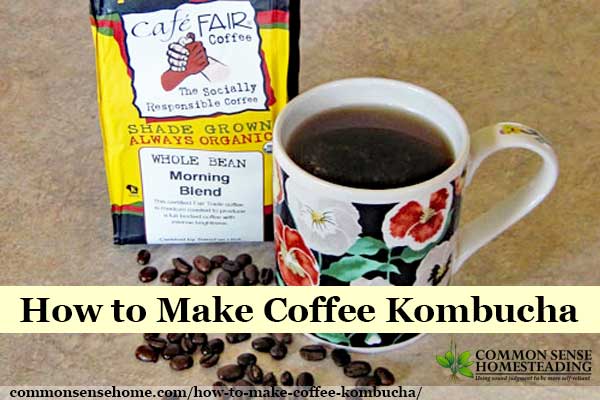
How to Make Coffee Kombucha @ Common Sense Homesteading

Extra scobys rolling around? Want to try a different kombucha flavor?  Looking for a healthier twist on the morning coffee?  How about brewing up some coffee kombucha?

This recipe is from Cultures for Health.  They have a TON of resources and recipes available, including free recipe e-books and troubleshooting tips.

Coffee Kombucha Recipe

Ingredients:

2 quarts Freshly Brewed Plain Coffee
1/2 cup Sugar
Kombucha Scoby

Directions:

In a glass or ceramic container, dissolve the sugar in the hot coffee and allow the mixture to cool to room temperature. Be sure the coffee is free of left over coffee grounds.  (Chunks = not good.)  I used a short, wide half gallon jar that I had gotten from a neighbor.

Add the Kombucha scoby to the liquid.  Unlike regular kombucha (made with tea), you don’t need to add liquid from a previous batch because coffee is so acidic to start.

Cover the jar with a tight-weave tea towel, paper coffee filter, etc. secured with a tight rubber band. This covering will allow the gas created during fermentation to escape while keeping bugs out. (Fruit flies love kombucha.  If you want to catch and trap fruit flies, put some kombucha  in a shallow bowl with a drop of dish soap.  End of problem.)  I use my small dish clothes as covers.  I label my ferments with contents and date written on masking tape to make it easier to keep track of what’s what.

Allow the jar to sit undisturbed at room temperature out of direct sunlight for at least seven days. (sun sterilizes – not a good thing when you’re dealing with live foods.) After seven days, start tasting the Kombucha daily using a straw. Halt the process when the Kombucha Coffee tastes pleasant to you.

I brewed mine for seven days.   A friend finished hers a few days before I did, and said it tasted terrible – very bitter.  I didn’t find this to be the case at all.  Mine tasted like mildly sweet coffee.  Maybe it was the different coffees that we started with?  You can also blend this with cream or kefir and some ice to make a whipped coffee drink, but I’ve just been sipping it straight.

My scoby was very thin on this kombucha, frankly somewhat anemic looking.

That’s okay, because CFH advises you not to reuse the scoby after this brew.  I drank some right away and bottled and labeled the rest for later.  It’s living in our “seasonal fridge” – the garage – where it’s nice and cool.

Additional Considerations When Making Kombucha Coffee (from Cultures for Health):

  • Coffee is very acidic therefore starter Kombucha tea or vinegar is not required (unlike when Kombucha is made with black, green or herbal teas).
  • Because coffee contains oils, it is possible for rancidity to occur. Watch your batch closely and limit fermentation time to only what is necessary to achieve the desired taste. Never consume any Kombucha which looks, tastes or smells unpleasant.
  • Coffee will generally stain the Kombucha Culture so you may see brown spots on the Scoby.
  • Some people claim Kombucha Coffee brews faster than Kombucha Tea while others claim it is slower. Be sure to taste your batch regularly so you can stop the fermentation process at the point you find the taste agreeable.
  • Kombucha Coffee should be served room temperature or cold. Do not heat the Kombucha Coffee as heating will destroy most of the beneficial yeasts and bacteria.
  • Some people find that Kombucha Coffee is less acidic to drink than regular coffee.

In Wild Fermentation, the author discussed how they had used a scoby to ferment Mountain Dew, but I haven’t tried that option.  Have you experimented with other sweet liquids for brewing kombucha?  I’d be interested in hearing about other options you may have tried.

You may also enjoy:

Healthy Homebrew – Kombucha – How to brew kombucha

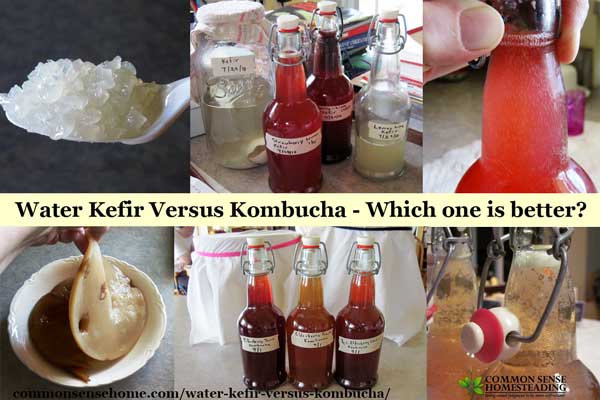
Water Kefir Versus Kombucha – What’s the difference between water kefir and kombucha?

Flavoring Kombucha and Kombucha Testimonials – Tips for flavoring kombucha and stories about how people I know have been helped by kombucha

Kombucha Q and A and More Flavoring Ideas – More flavoring ideas and all the Q and A from the comments in a more readable format

How to Flavor Kombucha – Holiday Flavors – Fun seasonal flavor ideas.

This post has been added to Simple Lives Thursday at Sustainable Eats.
Nov 222011
 
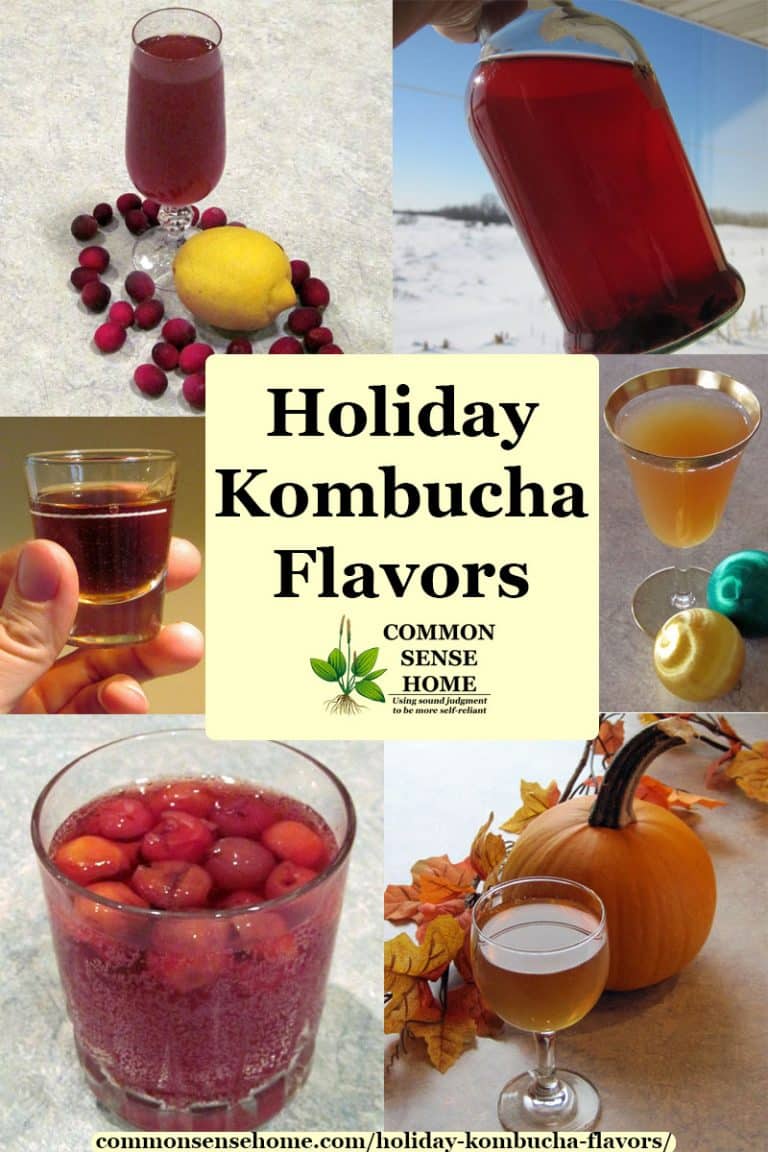
How to Flavor Kombucha - Holiday Flavors @ Common Sense Homesteading
Cranberry Collins Kombucha

Since I brew my own, I’m always experimenting with different ideas for how to flavor kombucha.  With the holidays upon us, I figured I’d try some favorite holiday ingredients and see if they’d make a tasty brew.

Most of these start with basic kombucha made with black tea, unless otherwise noted.  Flavorings were added to a 16 ounce bail top jar, or a pint or quart mason jar, as noted.  Flavorings are added after the initial brew when the kombucha is bottled. You add the flavorings and fill jar with plain kombucha.  Serve immediately, or store for a few days (sealed) to increase carbonation.

Recipes with lots of spices are best consumed within a few days, otherwise you may diminish the potency of your kombucha (many spices are antibacterial, and kombucha is made up in part of bacteria).

Cranberry Collins Kombucha (shown above)

To a quart jar add:
1/2 cup cranberry juice, plain unsweetened
1 tablespoon lemon juice
1 tablespoon maple syrup

To a 12 ounce jar add:
1/4 cup cranberry juice, plain unsweetened
1 1/2 teaspoon lemon juice
1 1/2 teaspoon  maple syrup

Pumpkin Spice Kombucha

Pumpkin Spice Kombucha

To a pint jar add:

2 tablespoons pumpkin puree
A “shake” each of powdered nutmeg, cloves, cinnamon and ginger
3 drops liquid vanilla stevia (optional)

When ready to serve, strain or pour off the top of the jar to have a chunk free beverage, or stir to get all the pumpkin goodness.

Ginger Spice Kombucha

To a quart jar or a 12 ounce jar, add freshly slivered ginger to taste, generally from 1 1/2 teaspoons to 1/4 cup. (I like a little less, I have friends who like much more.)

Toffee Apple Kombucha

Toffee Apple Kombucha

To a 12 ounce bottle add:

1/4 cup apple cider
6 drops English Toffee liquid stevia

this flavor option also goes very well with almond blossom oolong tea from Frontier.

Toffee Almond Kombucha

To a 12 ounce bottle add:
6 drops English Toffee flavored liquid stevia
1/8 teaspoon almond extract

Apple Cinnamon Kombucha

To a quart jar add:

1 cinnamon stick
1/2 cup apple cider

To a 12 ounce bottle add:

1 thin cinnamon stick (it will swell as it absorbs moisture and large ones will be hard to get out of the bottle)
1/4 cup apple cider

Cinnamon Spice Kombucha

To a quart jar add:

1 cinnamon stick
2 cloves
A small slice of fresh ginger

Cherry Bounce Kombucha

Cherry Bounce Kombucha

To a quart jar add:
1/4 cup dark cherry juice
Enough tart cherries to cover the bottom of the jar

Pomegranate juice and  African redbush tea also pair well with cherries.

Citrus Punch Kombucha

Citrus Punch Kombucha

To a 12 ounce jar add:
1 tablespoon each lime, orange and lemon juice

Peppermint Patty Kombucha

Peppermint Patty Kombucha

1/8 teaspoon peppermint extract
1/8 teaspoon chocolate extract *

Fill jar with plain kombucha.  Serve immediately, or store for a few days (sealed) at increase carbonation.

*Note – chocolate extract may have questionable ingredients, so read the label. Alternately, you could use plain cocoa or chocolate drink mix, but those don’t blend nearly as well.

You may also enjoy:

Healthy Homebrew – Kombucha – How to brew kombucha

Water Kefir Versus Kombucha – What’s the difference between water kefir and kombucha?

Flavoring Kombucha and Kombucha Testimonials – Tips for flavoring kombucha and stories about how people I know have been helped by kombucha

Kombucha Q and A and More Flavoring Ideas – More flavoring ideas and all the Q and A from the comments in a more readable format

How to Make Coffee Kombucha – Using coffee instead of tea to brew kombucha

Jul 222011
 
Preserving Strawberries Four Ways - Freezing, Drying, Fruit Leather and Kombucha

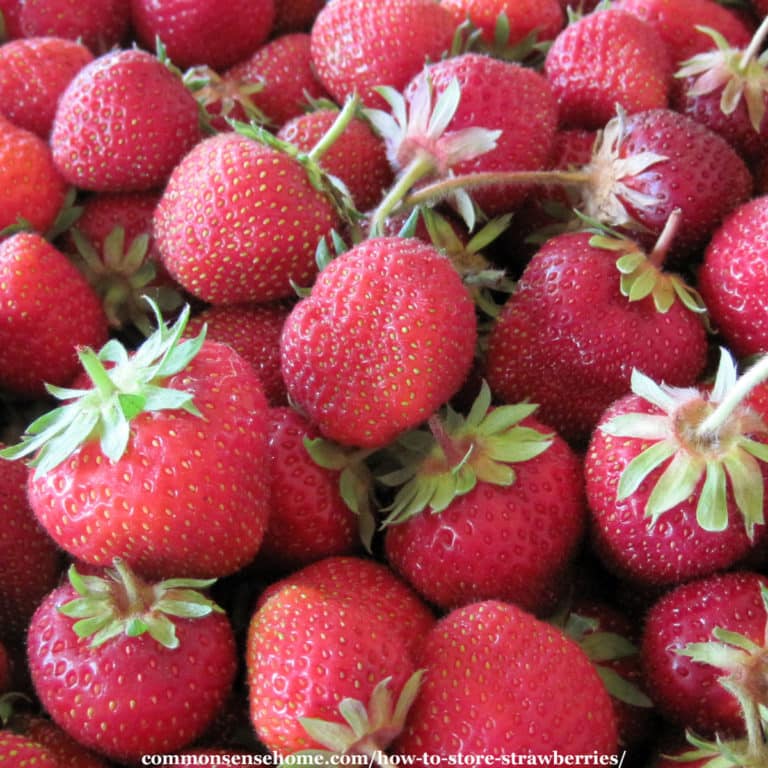
The boys and I went strawberry picking twice this season, and came home with two trays of berries each time.  To put away some of these beautiful berries to enjoy for the rest of the year, we made two batches of low sugar jam (strawberry and strawberry-banana).  We also used four other methods of preserving strawberries – freezing, drying, making fruit leather and flavoring kombucha. Continue reading »

May 152011
 
The SCOBY Cure - Home Remedy for Cradle Cap @ Common Sense Homesteading

About this time last year, my eldest son was coping with a bad case of cradle cap, i.e., thick, waxy dandruff on his head.  He’s always had very sensitive skin, and I suspect weekly swimming lessons took their toll on his scalp.  I did a bit of research, trying to find out what causes cradle cap.  Mayo Clinic says:

Though the exact cause of cradle cap isn’t known, one contributing factor may be hormones that pass from the mother to the baby before birth. These hormones cause an abnormal production of oil (sebum) in the oil glands and hair follicles.

Another factor may be a yeast (fungus) called malassezia that grows in the sebum along with bacteria. Antifungal treatments, such as ketoconazole, are often effective, supporting the idea that yeast is a contributing factor. Continue reading »