Dec 072012
 

The Best Cold and Flu Fighters plus Home Remedies for Coughs and Congestion

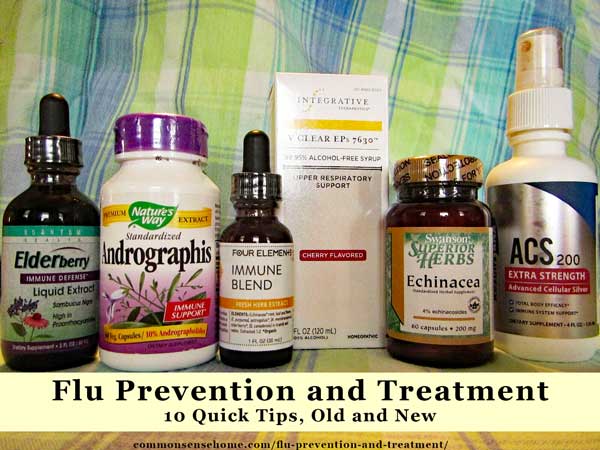
Cold and flu season is sweeping the country.  It’s time to prepare yourself with the best cold and flu fighters to help you stay healthy, or to recover quickly if you get sick.

Here’s a round up of posts from the Common Sense Homesteading website that are focused on colds and flus. Continue reading »

Nov 202011
 

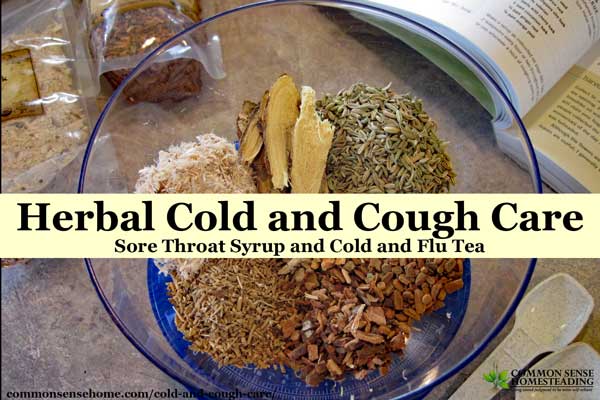
The Best Herbs and Spices for Colds and Flus @ Common Sense Homesteading

This is the final post in our “Cold and Flu” series.  One could go on almost indefinitely with healing options, as our bodies are very complex and a great many things influence our immune response, but I think this series represents some of the best “tools” available for boosting your immune system.

This post discusses how herbs, spices, traditional remedies and your kitchen sink can help boost your immune system and protect you from colds and flus.

Herbal Antibiotics for Colds and Flus

You are probably aware (hopefully) that most colds and flus are not caused by bacteria, they are caused by viruses.  Therefor, standard antibiotics are useless as a remedy for colds and flus.  There are now anti-viral medications, but they are most effective if administered early on, and may have some side effects.  Plus, who really wants to schlep into the ER when you feel lousy and your immune system is already compromised?  Secondary infections are often more dangerous than the original virus.

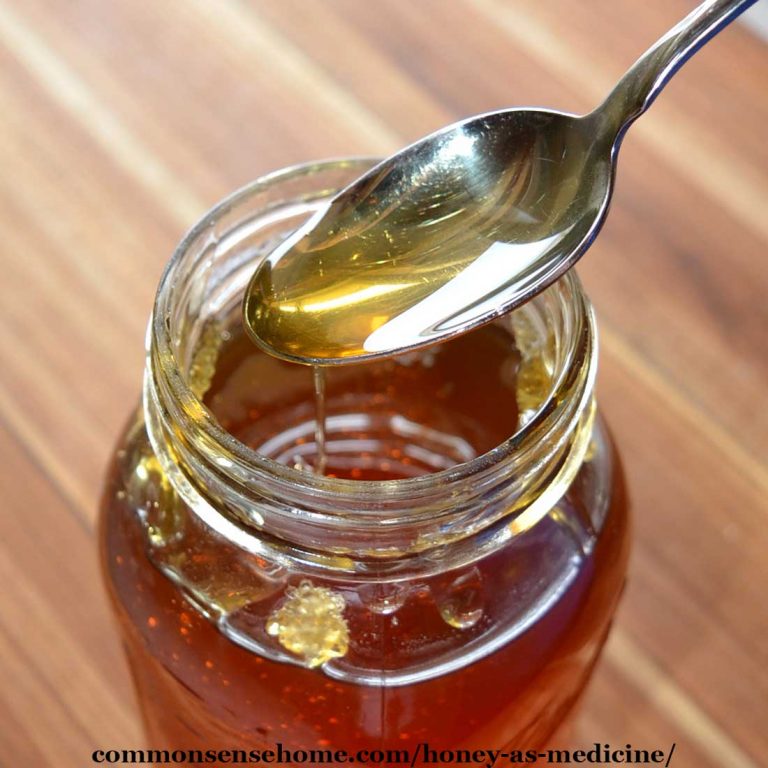
It turns out that many common herbs are not only antibacterial but also antiviral, and have minimal to no side effects.  In the book Herbal Antibiotics, Stephen Harrod Buhner presents his top choices for cold and flu fighting herbs, including echinacea, wormwood root, balsam root, boneset, red root, licorice, sage, garlic and honey.  (While not technically an herb, honey is often used in herbal medicine and so is included in the book.)  Complete dosing instructions and contraindications are given in the text.  I highly recommend the book, as it gives not only practical information on herbal use, but an overview of the history of antibiotics and how antibiotic resistance spreads.  Technically, he includes both herbs and spices in his arsenal, as various plant parts are used.

An example of the easy to use recipes that Stephen provides is The Best Cold and Flu Tea, which contains:

2 teaspoons sage
juice of one lemon (or one teaspoon lemon balm herb)
Pinch cayanne pepper
1 tablespoon (15 ml) honey

To prepare the tea, pour one cup boiling water over sage and allow to steep for 10 minutes.  Strain out herbs, ad remaining ingredients, and drink hot.


Mountain Rose Herbs. A herbs, health and harmony c
Mountain Rose Herbs has an excellent stock of organic herbs and spices.

Best Herbs and Spices for Colds and Flus

One of my favorite remedies for cold and flu season is a big batch of chicken soup. Chicken contains an amino acid called cysteine, which can thin the mucus in your lungs and make it easier to expel.  Proper soup often includes an assortment of herbs and spices, many of which have healing properties.  The Weston A Price Foundation website states:

Stock contains minerals in a form the body can absorb easily—not just calcium but also magnesium, phosphorus, silicon, sulphur and trace minerals. It contains the broken down material from cartilage and tendons–stuff like chondroitin sulphates and glucosamine, now sold as expensive supplements for arthritis and joint pain.

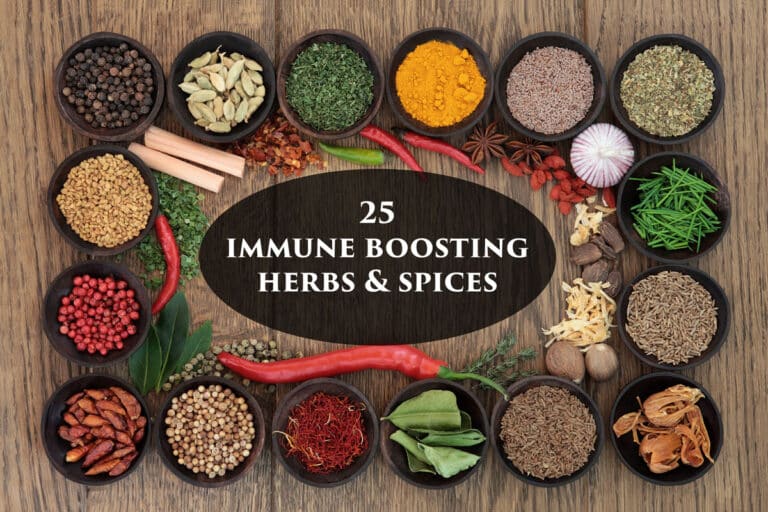
I always include bay leaf in my soups, which is anti-bacterial and anti-fungal.  Parsley is loaded with vitamins and minerals, and can act as a stomach soother.  Sage is another herb that is popular with poultry, and is also anti-bacterial and anti-viral.  Fresh sage is best when available because many of the beneficial compounds are concentrated in the oil.  Celery, too, has a long history of medicinal use.

Other spices that are commonly used in holiday cooking that help boost your immune system are cinnamon, nutmeg, rosemary and cloves.

Rule of thumb:  strongly scented and flavored herbs and spices come with strong oils that can add flavor, improve your health and often extend the life of your food

Put some extra cinnamon or nutmeg in your eggnog.   Be generous with the spices in your pumpkin pie or scones.  Throw some extra sage in the stuffing.  Make a rosemary vinaigrette for your salads.  Experiment with the flavors.  Regular use over time will help boost your immune system.

Copper faucets are antibacterial

How Can Your Sink Fight Germs?

While frequent hand washing is an obvious answer (please skip the anti-microbial soaps – plain soap and water acts as a surfactant to lift germs away without breeding superbugs), your sink may help keep you healthy in another way – if you use copper faucets.  A recent study in Europe demonstrates:

Under normal daily conditions the level of multi-resistant Staphylococci Aureus (MRSA) bacteria decreased by a third, and their resettlement on copper door handles and switches decreased considerably.

In our home, we have copper handles on all the cabinets, and copper faucet in the kitchen and brass door handles (brass is typically 63% copper and 37% zinc).  Not as much copper as in the study, but we’re not coping with MRSA.

Copper drawer handle

If you’ve found this post useful, please share it with your friends.

You may also enjoy the other posts in the series:

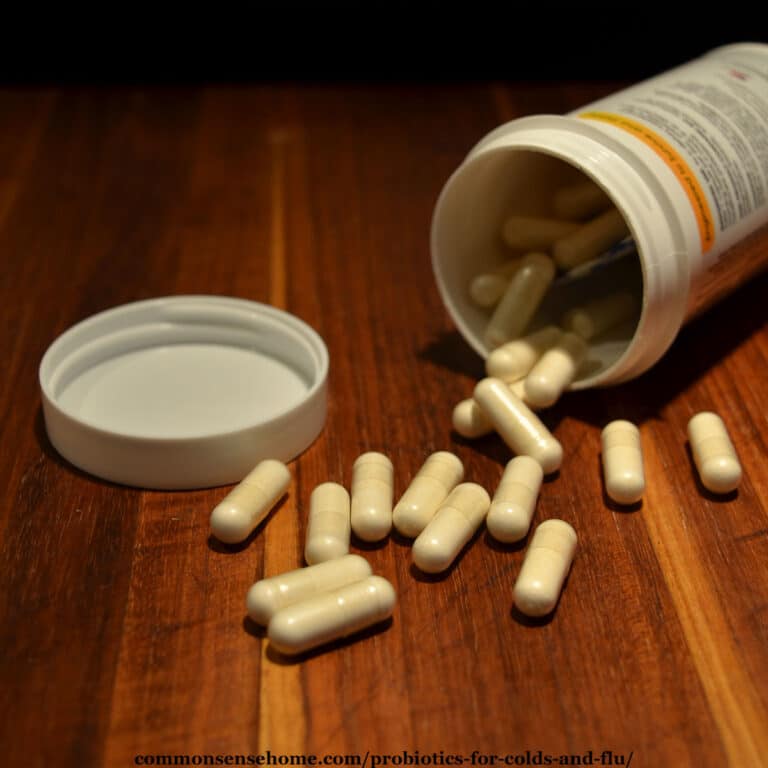
Preparing for Cold and Flu Season:  Step 1 – Probiotics
Coping with Stomach Flu Symptoms (Why the BRAT diet may not be your best choice)
Preparing for Cold and Flu Season with Essential Oils
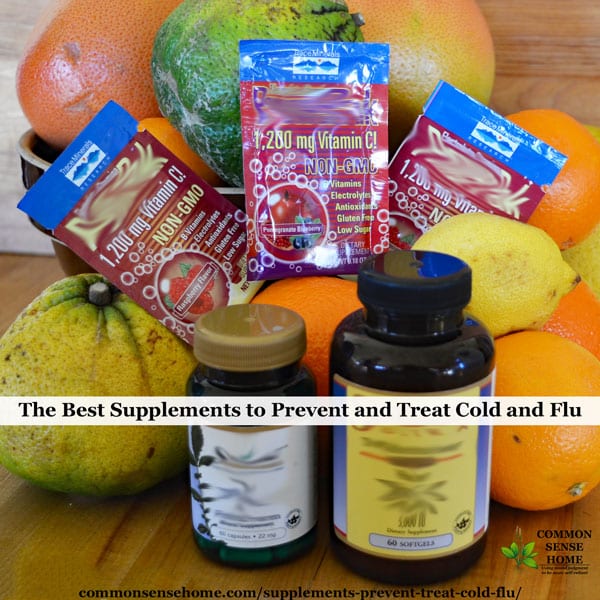
The Best Vitamins and Minerals for Fighting Colds and Flus

and the related post:

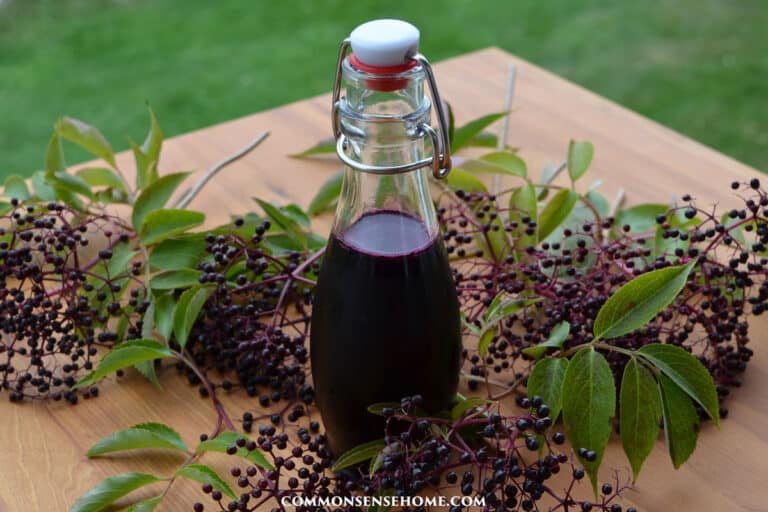
Elderberries:  How to Make Syrups and Jellies

This post has been linked to Fat Tuesday and Homestead Barn Hop #38.


Nov 062011
 

Best Vitamins and Minerals for Fighting colds and Flus @ Common Sense Homesteading

What are the best vitamins and minerals for fighting colds and flus?

There’s been a lot of hype in recent years about this supplement or that supplement being able to prevent colds and flus or lessen their duration and severity, but how much is real and how much is hype?  Here are the top choices for my cold and flu arsenal.

Vitamin C

Vitamin C has been demonstrated to have a strong anti-viral effect.  Orthomolecular.org states:  “In high doses, vitamin C neutralizes free radicals, helps kill viruses, and strengthens the body’s immune system. Taking supplemental vitamin C routinely helps prevent viral infections.”  It has been shown to be effective against both the swine and bird flu. Continue reading »

Oct 292011
 

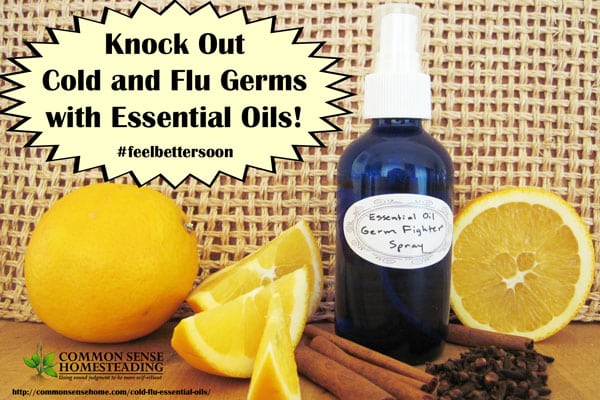
Fight Colds and Flus with Essential Oils @ Common Sense Homesteading

This week’s installment on prepping for cold and flu season is a guest post by my friend, Jo, from Jo’s Health Corner.  Jo has a TON of great information on her site about using essential oils, and she’s shared some of her experience preparing for cold and flu season with essential oils.

What are essential oils?

Essential oils are concentrated extracts that have been distilled from aromatic trees, herbs, and grasses. They are located in leaves, stems, fruits, roots, flowers, and bark of different plants. The essential oils are responsible for the plant’s unique aroma.

Some of the most powerful anti-microbials known today

Essential oils have been used in perfume making for a long time. It is easy to overlook the important fact that essential oils are some of the most  powerful anti-microbials known today. I think they should be used  in every home during cold and flu season since they are very important in fighting many types of infectious disease. It is said that glove makers and perfume makers were spared in  England during the plague. The entire city of Buklesbury, England, was spared from the plague because it was the center for the lavender trade. Lavender is a known for its anti-microbial properties.

Don’t wait until you get sick

You don’t have to wait until you are sick to take advantage of the healing benefits of the oils. Most essential oils are antiseptic and bactericides, which will inhibit bacterial growth. Some oils are also anti-fungal and antiviral so you can see why they are beneficial during flu season. You can use essential oils in many ways around the house to boost your immune system.  I like to clean with my favorite bacteria busters such as cinnamon, clove, lemon, eucalyptus, lavender, thyme and pine. Not only do they assist in cleaning my house but they also benefit my immune system.  I also like to diffuse oils in my diffuser several times a day. You can make a room spritzer and spray in the air if you don’t have a diffuser.

Basic Spritzer Recipe

2 ounce glass bottle with spritzer/mister top
1 ¾ oz ounces of distilled water
10-30 drops of various essential oils ( I use less amount when I use intense aromas)
Optional: ¼ teaspoon vodka or witch hazel to emulsify the oils and water. It is important with thick oils like myrrh and jasmine.

Fill the bottle with water, add oils, and shake before each use. Make your own blend or try my favorite spice recipe:

2 drops cinnamon
1 drop clove
2 drops mandarin

You don’t need to buy the whole store

It is not necessary to have a whole bunch of oils at home, it is more important to choose wisely what oils to buy. The oils need to be of high quality so they posses the therapeutic properties you want. Quality is very important since many companies dilute their oils with synthetic substances to cut cost. This can cause harm and change the therapeutic effect of an oil.

I put together a list of oils that are most useful during this time of the year.  You don’t need all of them, but research has shown that there is a greater antimicrobial activity when several oils were combined.  Therefore, I like to mix several different oils into one blend for enhanced therapeutic value.

Bulk organic herbs, spices and essential oils. Sin

Immune Stimulants

I make sure that I have at least a couple of different  immune stimulants at home during cold and flu season. Immune stimulants can strengthen the immune system by directly inhibiting the micro-organisms, or by stimulating the immune system. The essential oils of  lavender, eucalyptus, lemon, rosemary, tea tree and thyme are considered immune stimulants. Dr. Jan Valnet, M.D, lists eucalyptus, garlic, sandalwood, cinnamon, lavender, German Chamomile and peppermint as being very useful.

Clove, thyme, oregano, cinnamon, mountain savory, and peppermint are said to have the strongest antimicrobial actions. Tea tree, pine, patchouli, lavender, cajuput, and black pepper are other oils with antimicrobial properties.

Depuratives

Get rid of the toxins! Essential oils also have depurative (cleansing) properties that eliminate waste material and toxins. Germs don’t attack healthy tissues, so it is important to keep the internal environment clean. Angelica root, carrot seed, cypress, grapefruit, juniper berry, lemon, and rosemary have depurative properties. I like to add these oils to massage oil, unscented body lotions, bath salts, and body spritzers.

Be ahead of the game and use them before you need them. Be creative in how you use the essential oils during this time of the year:


How to use essential oils when someone is sick

There are different things you can do if you get sick. Here are some of the things that I do:

  • At the first sign of a stuffy nose I inhale deeply straight from the bottle. I also diffuse appropriate oils in my diffuser
  • I mix the essential oils with massage oil and apply on affected areas such as chest, sinuses, or back
  • I add a few drops on a handkerchief and inhale deeply. Sometimes I put 2 or more drops into the palm of your left hand, rub clockwise with the flat palm or your right hand. Cup your hands together over the nose and mouth and inhale deeply. Don’t touch your eyes!
  • My son successfully cleared congested sinuses within a few hours by doing steam inhalations with anti-viral and expectorant oils last week. Add a few drops of oil to a bowl of warm but not boiling water. Inhale the steaming vapors from the bowl. To increase intensity, drape a towel over your head and bowl before inhaling.
  • I add a few drops to drinking water and gargle for a few minutes if I have a sore throat.
  • I often add essential oils to the Vita Flex points on the bottom of the feet. This is especially useful for children since some oils may be too strong to apply on other parts of the body.
  • I used to drop cypress under my daughter’s pillow when we lived in Wales several years ago when she was coughing a lot due to moist weather.

Essential oils can be used in so many various ways so be creative. As mentioned above, you don’t need a lot of oils. The best anti-microbial oils are strong and may irritate the skin so inhaling and diffusing may be better choice when used as prevention. Oregano, cinnamon, clove, black pepper, and thyme are some of my favorite oils but I don’t apply them topically unless necessary for a specific condition. I may include them in a in a rub used topically for a small area, but I would not add them to a bath or a whole body massage blend.

Spice oils are very intense so it is best to mix them up with some other oils before diffusing them in the room. For example, diffused clove oil can irritate the eyes so it should not be diffused more than a couple of minutes at a time. Spice oils such as cinnamon and clove can be mixed with citrus oils to make them less irritating.

Make sure you dilute the essential oils correctly and that you’re read the safety precautions before you start. Some oils are contraindicated in certain conditions.

Johanna is an aromatherapist and she blogs about health, essential oils, real food, natural remedies, and nutrition on Jo’s Health Corner. She also runs Naturally Sports & Wellness together with her husband. 

Other posts in this series include:

Preparing for Cold and Flu Season:  Step 1 – Probiotics

The Best Vitamins and Minerals for Fighting Colds and Flus

The Best Herbs and Spices for Colds and Flus – Plus a “Secret Weapon”

Coping with Stomach Flu Symptoms (Why the BRAT diet may not be your best choice)

Elderberries:  How to Make Syrups and Jellies


Oct 222011
 

Home Remedies for Stomach Flu @ Common Sense Homesteading
I was “blessed” this week with an opportunity to check out the effectiveness of various home remedies for stomach flu.  Monday before bedtime I was hit with stomach cramps and diarrhea, and Tuesday morning I was still feeling the pain.  So I did what any good blogging mom would do – turned it into a post.  Let’s start with some background information on the stomach flu.

First off, the “stomach flu” isn’t really the “flu” at all (it still makes you feel lousy).  It is caused by viruses, but not caused by the influenza virus. Viral Gastroenteritis (stomach flu) is the second most common illness in the United States. It causes millions of cases of diarrhea each year.  Heart Spring breaks down the symptoms and causes of the stomach flu.

Stomach Flu Symptoms

The main symptoms of Stomach Flu (Viral Gastroenteritis) are watery diarrhea and vomiting. Other symptoms are headache, fever, chills, and abdominal pain. Symptoms usually appear within 4 to 48 hours after exposure to the virus and last for 1 to 2 days, though symptoms can last as long as 10 days.

Stomach Flu Causes

The viruses that cause Stomach Flu (Viral Gastroenteritis) damage the cells in the lining of the small intestine. As a result, fluids leak from the cells into the intestine and produce watery diarrhea. Four types of viruses cause most Stomach Flu (Viral Gastroenteritis).

Rotavirus is the leading cause among children 3 to 15 months old and the most common cause of diarrhea in children under the age of 5 years. Symptoms of rotavirus infection appear 1 to 2 days after exposure. Rotavirus typically causes vomiting and watery diarrhea for 3 to 8 days, along with fever and abdominal pain. Rotavirus can also infect adults who are in close contact with infected children, but the symptoms in adults are milder. In the United States, rotavirus infections are most common from November to April.

Adenovirus occurs mainly in children under the age of 2 years. Of the 49 types of adenoviruses, one strain affects the gastrointestinal tract causing vomiting and diarrhea. Symptoms typically appear 1 week after exposure. Adenovirus infections occur year round.

Caliciviruses cause infection in people of all ages. This family of viruses is divided into 4 types, the noroviruses being the most common and most responsible for infecting people. The noroviruses are usually responsible for epidemics of Stomach Flu (Viral Gastroenteritis) and occur more frequently from October to April. Infected people experience vomiting and diarrhea, fatigue, headache, and sometimes muscle aches. The symptoms appear within 1 to 3 days of exposure.

Astrovirus also infects primarily infants, young children, and the elderly. This virus is most active during the winter months. Vomiting and diarrhea appear within 1 to 3 days of exposure.

They also state, “People who no longer have symptoms may still be contagious, since the virus can be found in their stool for up to 2 weeks after they recover from their illness. Also, people can become infected without having symptoms and they can still spread the infection.”  I suspect I became infected after spending the evening with family members who had “just gotten over the flu”, since my symptoms appeared roughly 48 hours after contact.

Typically, what I’ve seen recommended for stomach flu treatment are options like the BRAT diet (Bananas, Rice, Applesauce, Toast), and hydration with products like Gatorade.  I’m not going to suggest those options to you.  While the BRAT diet is chosen to be non-irritating, evidence suggests that it may not help you heal, and may even slow the process of healing.  In an article from Emergency Medicine News, they state (emphasis mine):

Over the past 10 years, however, a consensus has developed that this dietary restriction is a suboptimal choice because it is low in protein, fat, and energy content. This limited intake is not considered helpful to the body’s healing or immune response to infection.

They go on to explain that:

“…many studies have shown that unrestricted diets do not worsen the course or symptoms of mild diarrhea. For moderate to severe diarrhea, fatty foods and foods high in simple sugars (including sweetened teas, juices, and soft drinks) should be avoided. Appropriate foods include lean meats, yogurts, fruits, and vegetables, as well as complex carbohydrates like rice, wheat, potatoes, bread, and cereals.”

Gramma’s Medicine Cabinet offers a long list of home remedies, including chamomile, mint, lemon banana, salt, rice, applesauce, toast and crackers, turmeric, garlic, yogurt and dried blueberries.

Here are my suggestions for treating stomach flu symptoms at home:

*Remember, if your symptoms persists more than 48 hours or are causing undo pain or other major problems, consult your doctor, as it may be a sign of a more serious illness.*

Stay hydrated – Skip anything with lots of sugar, caffeine or artificial anything (sports drinks, coffee, sodas, undiluted fruit juice, etc).  Stay with soothing drinks like mint or chamomile tea, or restorative ones like coconut water or bone broth.  Broth is loaded with nutrients and minerals that aid healing.  For my broth recipe, shown at the top of the post in a batch of chicken soup, visit Beautiful Broth.

Coconut water is high in electrolytes.   If you want to have fruit juice for the little ones, please dilute it so that there’s not as much sugar.  Go for color free/additive free electrolyte drinks if you must.  Small  sips at regular intervals are easier on the abdomen than large quantities at once.

Eat or drink your probiotics – Live culture foods help populate your digestive tract with healthy bacteria and other friendly beasties.  This can help your body crowd out the troublemakers and speed your recovery.  Yogurt, milk kefir, water kefir, kombucha, and lacto-fermented foods all contain bacteria that promotes a healthy immune system.  You can, of course, purchase these items from the store or buy the little capsules, but it’s really easy to make you own at home.  I made a version of this probiotic smoothie while I was sick, and it sat very well in my sore tummy.  Again, small servings, especially with the kombucha, which can have a detox effect.  No more than 2-4 ounces per day of kombucha tea.  Yogurt and kefir are gentler and safer in larger amounts (up to eight ounces per day).

Try Nutiva Chia SeedsTry Some ChiaChia seeds are hydrophilic, which means they absorb water (up to 12 times their weight in water).  You can use this property to your advantage by thoroughly hydrating the seeds before consuming them, using the seeds to carry water into you body.  The gel-like coating that forms around the hydrated seeds soothes your digestive tract and slowly releases the water into your body as they pass through your system.  In my case, I placed some yogurt and milk kefir into my Vitamix, poured in a tablespoon of chia, mixed slightly, and then let it sit and soak for 10 minutes before finishing the smoothie preparation.  If you want something more basic, try chia fresca.

Chia Fresca recipe

1 tablespoon of dry chia seeds
10 ounces water.
2 teaspoons lime juice (or one tablespoon lemon juice)
Two teaspoons sugar or 1 tsp stevia powder
Mix chia seeds and water.  Let stand ten minutes.  Add juice and sweetener and mix well.

Comfort yourself -  Take a soothing warm shower to relax sore muscles.  If you can bear it, try a warm bath with a cup of Epsom salts (at the risk of TMI, be careful if you are coping with diarrhea, as the muscle relaxation could result in “poop soup”).  The warm bath option is probably best for late in the illness, when fatigue and muscle cramping have led to significant muscle soreness, but the worse of the vomiting and/or diarrhea has passed.  Place a hot pack on the lower back or abdominal area to help ease cramping.

Beyond these options, if your stomach can keep it down, eat lightly of nourishing real foods.  Since “stomach flu” is viral, antibiotics will not help.  Again, if you are experiencing severe pain or other complications, pleas consult your healthcare practitioner, as serious food borne illness may sometimes present in a manner that resembles stomach flu.

If you’ve found this post helpful, you may also enjoy the other posts in this series:
Preparing for Cold and Flu Season – Step #1- Probiotics
Preparing for Cold and Flu Season with Essential Oils
The Best Vitamins and Minerals for Fighting Colds and Flus
The Best Herbs and Spices for Fighting Cold and Flu Symptoms, Plus a “Secret Weapon”

**Note:  This post was originally published on Living Well Moms.  Thankfully, I did not have the flu this week, and haven’t had it since this post was written.