
Wild Lettuce – Sleep Aid and Pain Reliever – Weekly Weeder #24

This post may contain affiliate links. Read my full disclosure here.
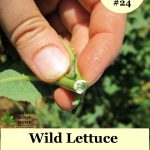
Wild lettuce has a long history of use as a sleep aid and pain reliever. We’ll cover how identify and use wild lettuce, potential side effects, and how to get rid of it if it’s taking over your yard and garden.
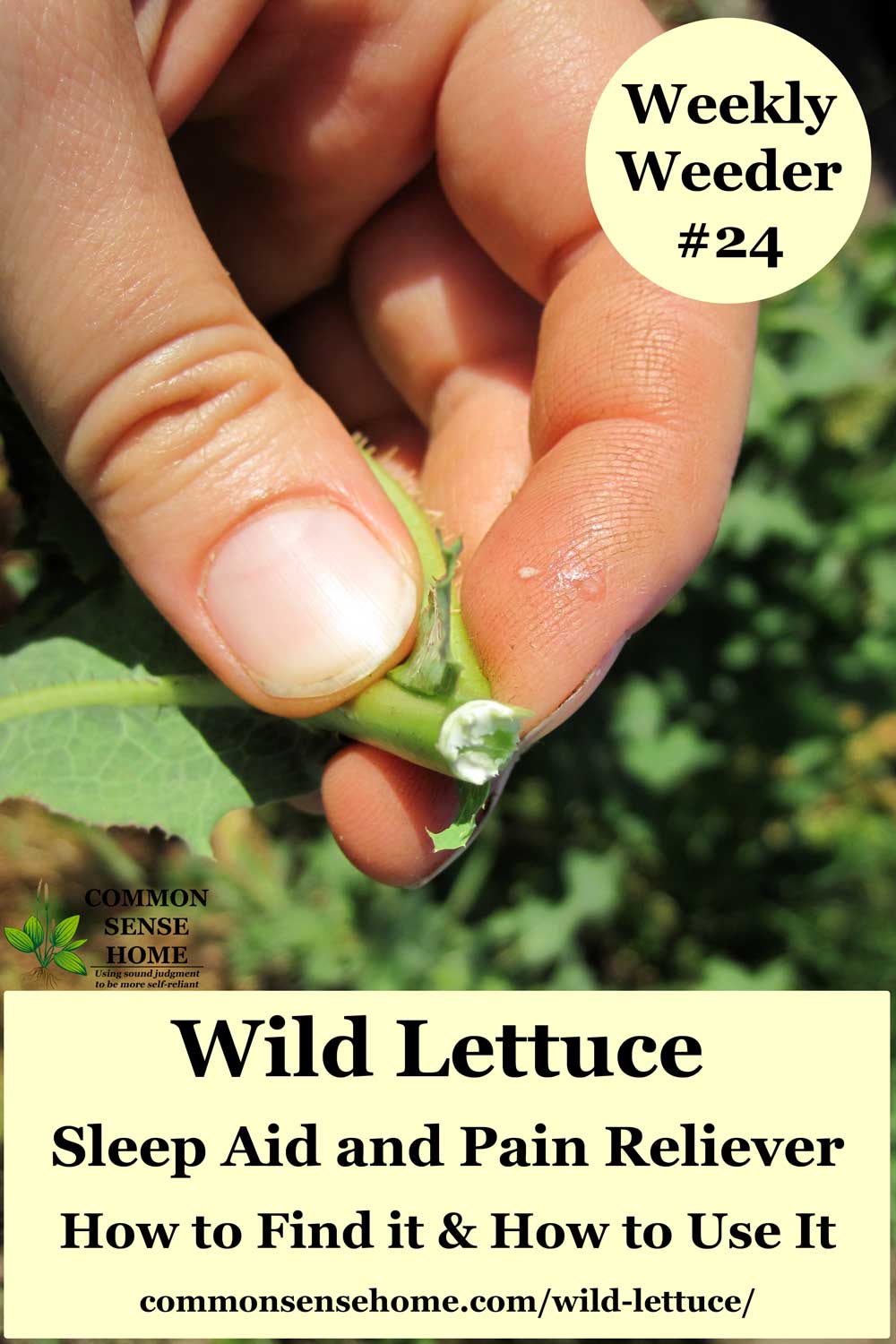
Table of Contents
Today’s featured plant is Wild Lettuce, Lactuca virosa and Lactuca serriola.
Wild Lettuce is also known as opium lettuce, bitter lettuce, wild opium, horse thistle, China lettuce and prickly lettuce. Lactuca virosa (great or greater prickly lettuce) and Lactuca serriola (prickly lettuce) have similar medicinal properties.
Is prickly lettuce the same as wild lettuce?
In this case, yes. Lactuca virosa and Lactuca serriola are both types of prickly lettuce.
Canadian lettuce or Canada lettuce (Lactuca canadensis) is the most widespread wild lettuce in North America, and has similar medicinal properties.
Range
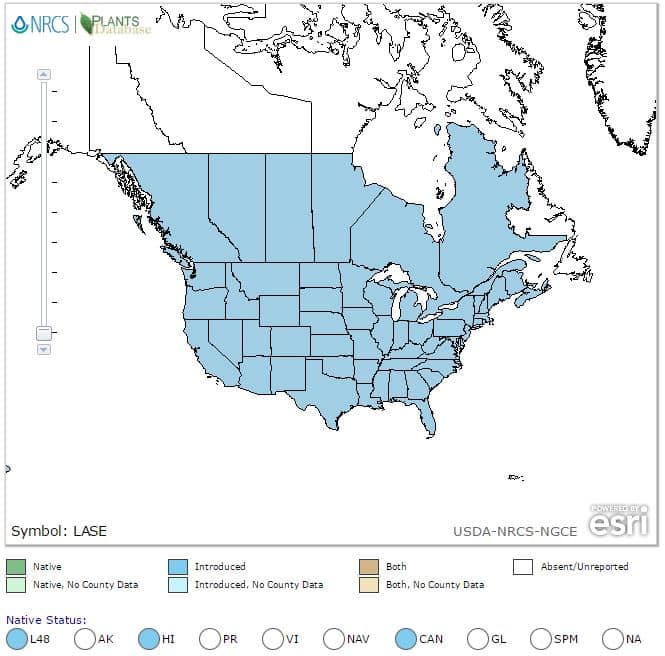
Wild lettuce is native to Eurasia, but has naturalized throughout most of North America, and also Hawaii. (See maps below from the USDA Natural Resources Conservation Service Plants Database.)
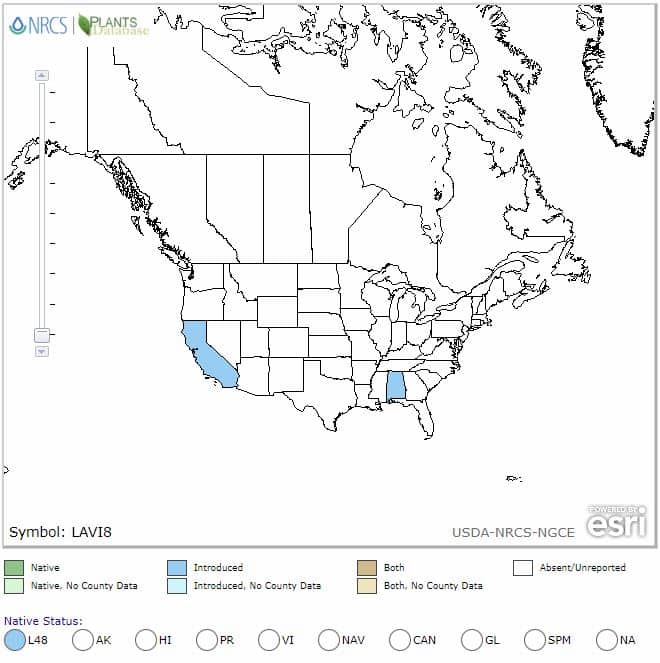
Greater prickly lettuce is less widespread.
Does wild lettuce grow in the UK?
Yes, it’s common along English roadsides and disturbed ground. The book, Backyard Medicine, highlights many plants common to England and the United States, including these.
You can find wild lettuce mostly in disturbed soils, such as vacant lots, along roadsides, in dumps and other waste areas. Lactuca serriola prefers full sun and tolerates dry soils.
Identification
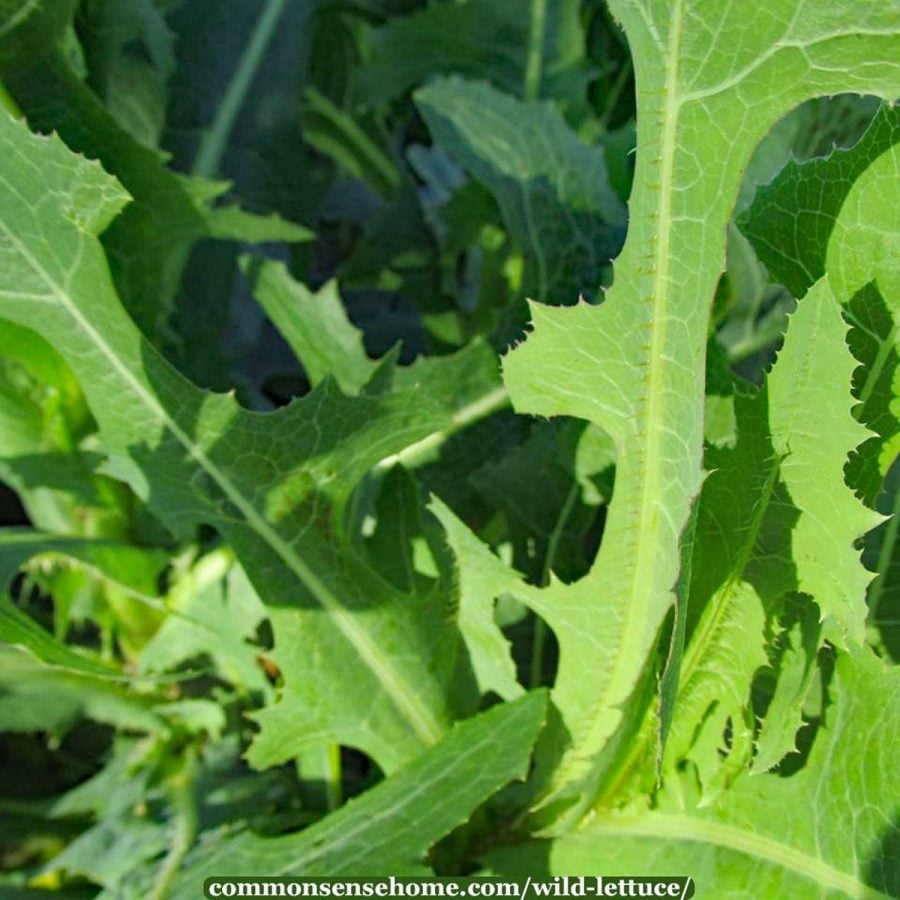
L. serriola is an annual or biennial, growing 2-7′ tall. Leaves attach in an alternating pattern to a central stalk, and are up to 12 inches long and 4 inches across. The leaves are larger at the base of the plant and smaller as they move up the stalk.
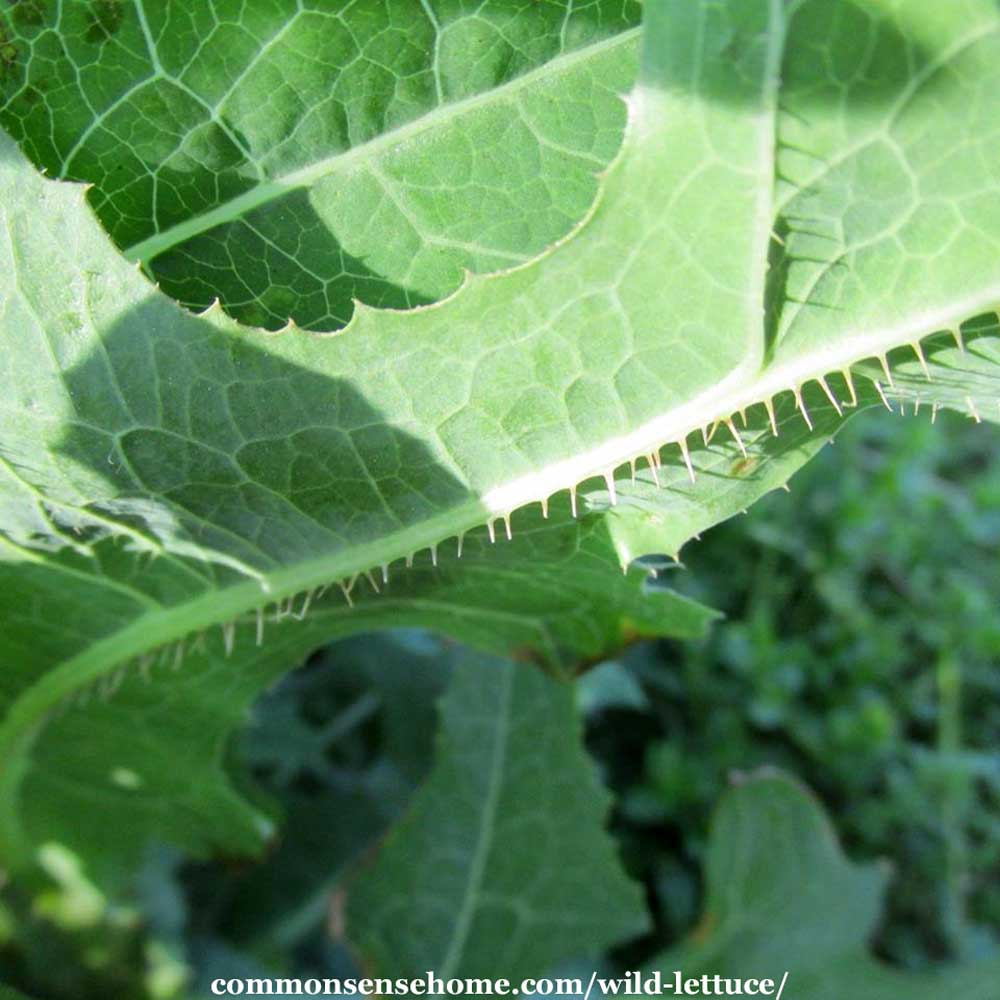
Wild prickly lettuce has a distinctive line of spines or prickles on the underside of the leaves, running up the midvein. The leaves themselves are slightly prickly, mainly underneath. The prickles only poke a bit – gloves are optional. Once dried, they are more prickly.
Wild lettuce blooms from mid-summer to fall. Flowers are small and yellow, about 1/3″ across and 1/2″ in length – somewhat like a skimpy dandelion flower.
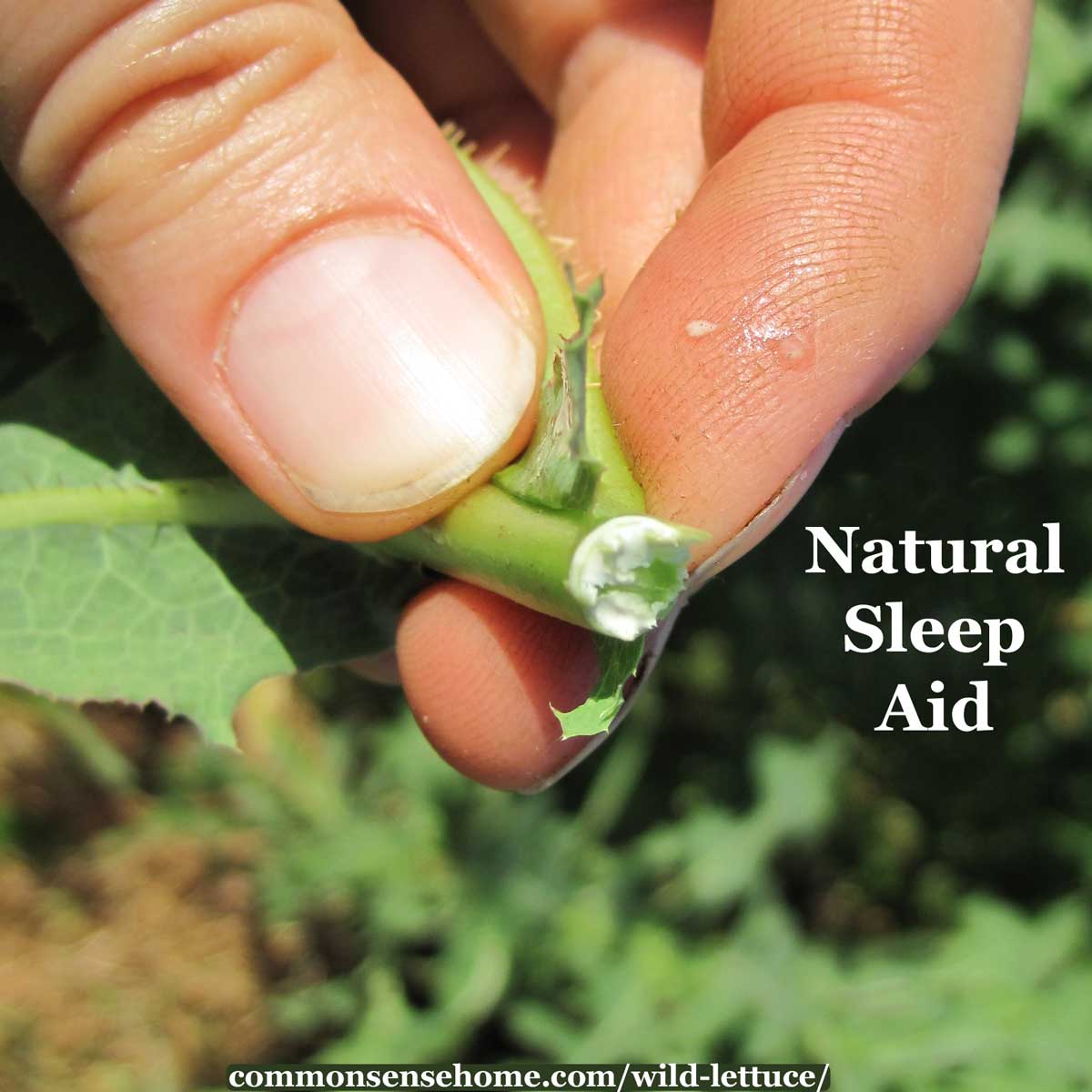
Flowers have between 5 and 20 toothed petals. Multiple flowers are produced on each plant, and an individual plant can stay in bloom for about a month. The plants produce a white, milky sap.
Greater wild lettuce (L. Virosa) has a similar growth habit and appearance, but the leaves are more lance shaped with finely toothed edges. L. serriola has coarsely toothed leaves.
L. serriola is similar in appearance to perennial sowthistle. The primary differences are the line of midvein spines on the underside of the prickly lettuce leaf, and the flowers.
Sowthistle flowers are fuller and more like dandelion flowers in appearance. Prickly wild lettuce flowers are somewhat skimpy looking by comparison. Wild lettuce also has a taproot like a dandelion, whereas sowthistle has a system of runners – more like quackgrass.
Wildlife Habitat and Animal Fodder
Illinois Wildflowers states: “The nectar and pollen of the flowerheads attract various kinds of bees. The caterpillars of a few species of moths eat the foliage, including Cucullia intermedia (Intermediate Cucullia). The foliage is bitter-tasting and not a preferred food source for mammalian herbivores, although cattle and White-Tailed Deer occasionally eat it.”
Weeds – Control Without Poisons notes that chickens and pigs both relish wild lettuce as a green. The bitter flavor comes through in milk, so it’s best to eliminate it from dairy pasture if possible.
Is Prickly Wild Lettuce Edible?
These plants are the ancestors of garden lettuce, and the young leaves are bitter but edible. Eat leaves raw or cooked.
As the plants mature, the bitterness becomes more pronounced and they get downright unpleasant to eat. Dry conditions also make the leaves more bitter. (This is similar to dandelion leaves.) The texture of the leaves is similar to spinach or a hardy lettuce (with prickles), so excess cooking makes the leaves very mushy.
Would you like to save this?
Plants for a Future shares that the young stems can be cooked and used as an asparagus substitute, and the seeds can be refined to produce an edible oil. The oil is also used to make soap, paints, and varnishes.
Medicinal Use
The leaves and latex of the plant are gathered when the plant is in flower. Wild lettuce acts as a sedative and muscle relaxant. It also soothes the respiratory system and relieves muscle and joint pains.
Here’s the kicker – the plants vary in the amount of active compounds. Some people see benefits, some don’t. If you’ve seen claims on the internet about harvesting and using opium lettuce for natural pain relief to replace narcotics, please be aware that results may vary.
Always check with your doctor before using any herbal preparation, especially if you have a known medical condition and/or are on any prescription medication. The sedative effects of wild lettuce may interact with prescription sedatives.
Do not use if you are nursing or pregnant. This website is for general information only. Exercise caution when using any wild plants and make sure you have positively identified the plant.
Wild Lettuce Tea
The Holistic Herbal suggests wild lettuce tea for pain relief. Pour one cup of boiling water over 1-2 teaspoons of dried wild lettuce leaves, and allow them to infuse for 10-15 minutes. Strain and drink. Consume up to three times daily.
Wild Lettuce Extract
To make wild lettuce extract, harvest above ground parts of plants when in flower. Chop plant material finely and place in a glass jar. Fill with enough vodka to cover the plant material, pushing plants below the liquid level.
Store in a cool, dark location for 2 weeks. Strain and bottle.
Use half a teaspoon of wild lettuce extract 3 times per day for a calming effect, or 1 teaspoon at bedtime to help you sleep.
See “How to Sleep Better at Night – Naturally” for more tips for restful sleep.
Wild Lettuce High
Wild lettuce may cause hallucinations when consumed in quantity, along with its sedative and relaxation effects.
HOWEVER – I don’t recommend screwing with this stuff, because documented cases where people had hallucinations came with a wide array of side effects, including:
- Dizziness
- Nausea and vomiting
- Anxiety
- Headache
- Blurred vision
To consume enough to get a buzz, you may also be puking your guts out.
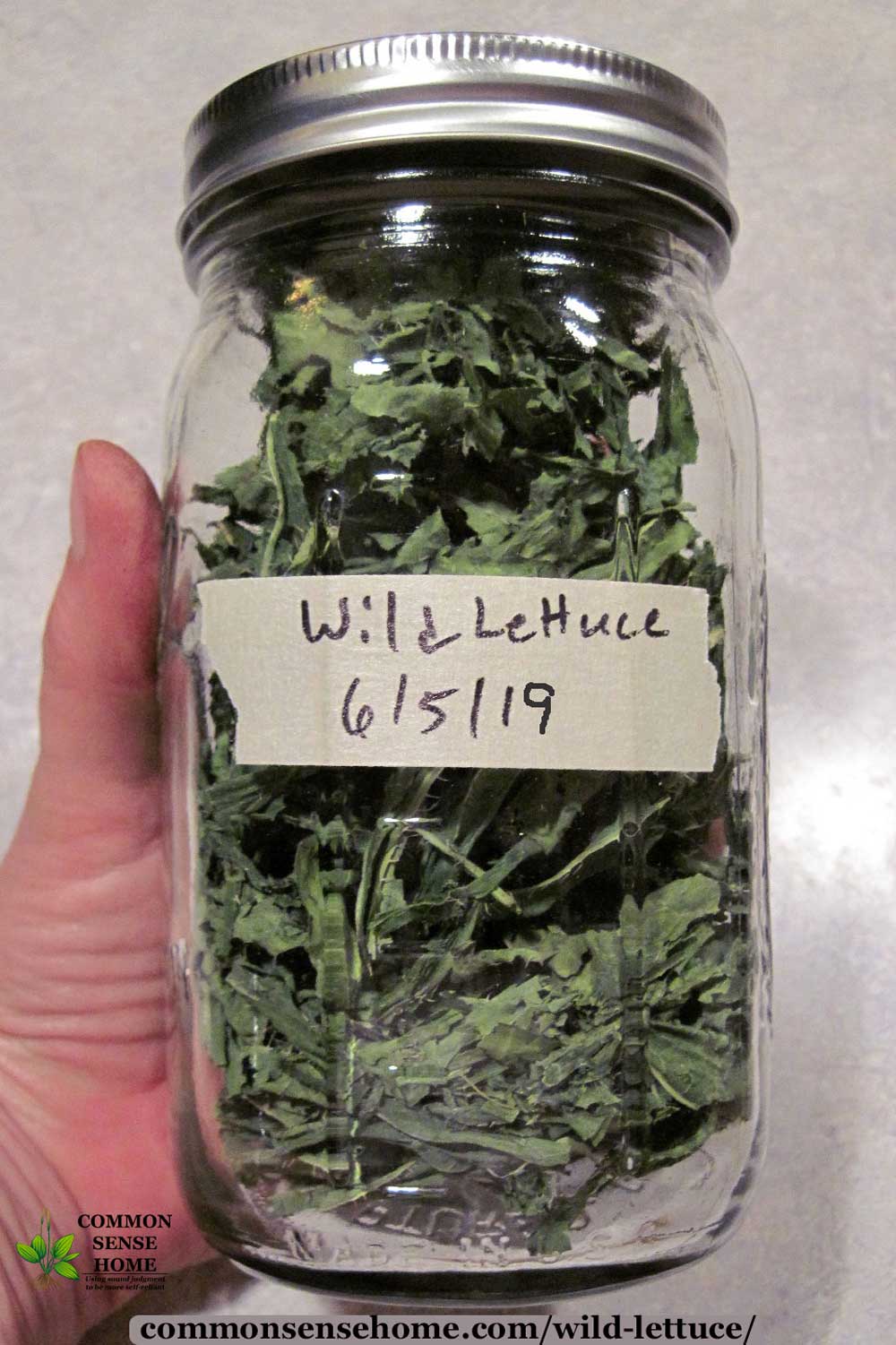
I dry wild lettuce overnight in the dehydrator at low temp (95°F) until crisp, and then store it in a tightly sealed canning jar for later use.
Getting Rid of Wild Lettuce in the Garden, Landscape or Field
In The Gardener’s Weed Book, Barbara Pleasant notes that the best control methods are those that catch wild prickly lettuce when it’s young.
Like dandelions, it spreads many seeds, so catch it before it flowers out. It has a taproot, again, like a dandelion, so cut young plants just below the surface with a scuffle hoe. Older plants, like dandelions, will resprout from root stumps. Heavy mulch smothers the plants.
Weeds – Control Without Poisons states:
(Wild prickly lettuce will be found where there are) low aerobic activity, hardpans, crusted soil, low pH, etc. Calcium is always too low when prickly lettuce arrives. Magnesium is high, as is potassium. High manganese and iron releases also figure.
So – work to aerate your soil and improve the amount of organic matter, and considering liming the soil to improve calcium levels.
Please Like, Pin or otherwise share this post if you would like the Weekly Weeder series to continue.
You may also find useful:
- Grandma Called it Medicine Leaf
- Harvesting and Using Dandelion Roots
- Catnip – Uses for People and Cats – Weekly Weeder #19
The Herbal Academy offers many excellent courses and resources for those who would like more detailed plant use information, including their herbal fermentation course linked below.
Originally published in 2012, last updated in 2019.
My cousin gave me this in dried form recently in Slovenia and it has helped me get off of sleeping pills. She is sending me some seeds but until they are ready to harvest I will have to buy more. Is there a reputable producer that I can buy the dried leaves from in Canada or US that you are aware of? I have been searching for hours but concerned about the source . Any chance you can help with a source?
Mountain Rose Herbs stocks an extract and dried leaves, and they do ship to Canada. I’ve always been happy with the quality of products I’ve ordered from them.
I hope that someone out there in “the wild” can advise me re: plant identification.
When reading this article, it seems like the author is describing a plant that I’ve known all my life as “milk weed.” Same purple stems, same milky latex, not sure about the blooms though…
Can anybody help me distinguish between Prickly Lettuce & Milk Weed, or are they just the same thing & I’m simply clueless?
TIA
Typically “milkweed” refers to plants in the Asclepias genus, such as common milkweed (Asclepias syriaca), swamp milkweed (Asclepias incarnata), or butterfly milkweed (Asclepias tuberosa).
You can read more about milkweed here – https://commonsensehome.com/milkweed/
That said, sometime plants pick up local use names – such as you calling the plant in this post “milkweed” – probably due to the milky sap. That’s why I always include scientific names. The world is a big place, and sometimes a use name in one location doesn’t match the use name in another location.