
How to Start a Garden (Because Homegrown Food is the Best!)

This post may contain affiliate links. Read my full disclosure here.
Would you like to save this?
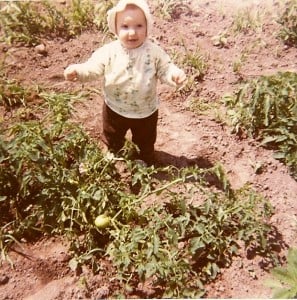
Want to start a garden, but not sure where to begin? We have you covered! I’ve been gardening for over 50 years, and learned a few things along the way. (See photo at right from my early gardening years, taken in my mom’s tomato patch.)
We’ll take you from planning your garden through harvesting your homegrown vegetables, flowers and herbs. Nothing beats the flavor of fresh produce picked at the peak of ripeness!
Table of Contents
- How to Start a Garden
- #1 – Choose a Location to Start Your Garden
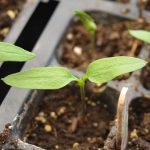
- #2 – Know Your Hardiness Zone and Frost Dates
- #3 – Invest in Basic Garden Tools
- #4 – Lay Out Your Garden Beds
- #5 – Test Your Soil
- #6 – Build Your Soil
- #7 – Decide What You’d Like to Grow
- #8 – Choose the Right Seeds or Transplants
- #9 – Plant with Care
- #10 – Care After Planting
- Enjoying Your Harvest
- Starting a Garden is an Adventure
How to Start a Garden
Let’s start planning your dream garden. Remember, our goal is healthy food and ease of care, so plan accordingly.
#1 – Choose a Location to Start Your Garden
Most fruits and vegetables need full sun, with a minimum of five hours of direct sunlight per day for fruiting. Herbs, greens, and root veggies will grow in partial shade. Southern gardens may benefit from late afternoon shade, whereas northern gardens likely need all the sun they can get.
Think about how you will access the garden for picking, watering and caring for your plants. Out of site often equals out of mind – and a neglected garden. Avoid high wind areas, frost pockets, and wet areas. Watch out for wildlife, pet traffic, and children’s play areas.
#2 – Know Your Hardiness Zone and Frost Dates
Figure out your gardening zone and estimated first and last frost dates. If possible, talk to successful gardeners in your area to find out which crops grow well and which don’t.
In my northern garden, crops that take over 100 days to mature or high temps are a gamble. For example, we enjoy watermelons, but live in Wisconsin. I stick to varieties like Blacktail Mountain (70 days) instead of Carolina Cross (90 days).
A friend in South Carolina has challenges with crops like peas, which prefer cooler temperatures. She also struggles with vine crops like cucumbers, which are prone to mildew in high humidity.
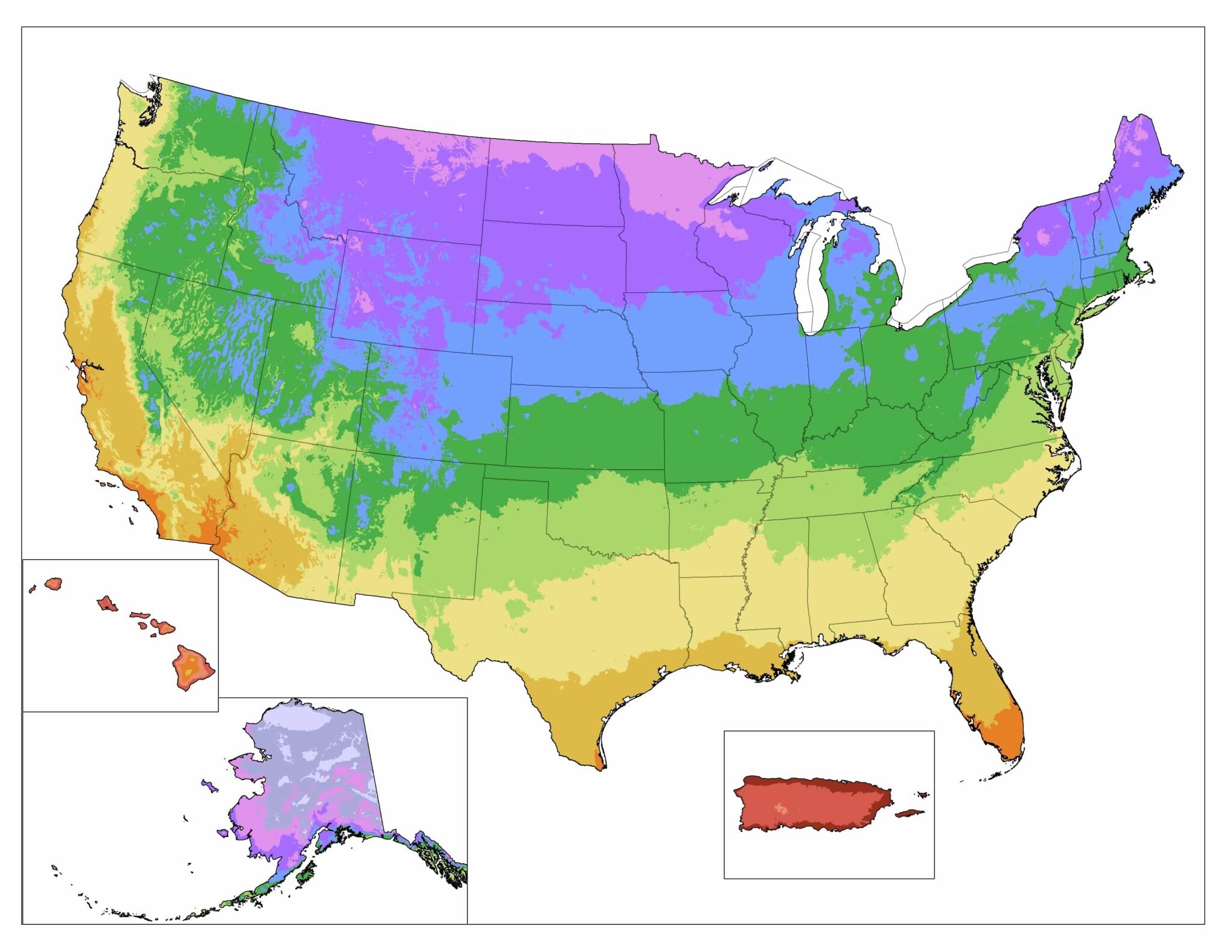
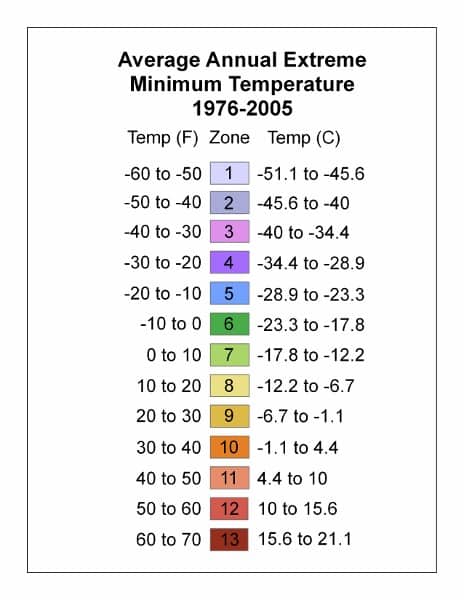
See “USDA Hardiness Zones & Your Microclimate” for a more information on how growing conditions affect garden plans.
#3 – Invest in Basic Garden Tools
The right tools make working in your garden a pleasure instead of a chore. You don’t use a butter knife to chop up raw carrots, and you shouldn’t use dull or flimsy tools to work in your garden. Basic gardening equipment includes:
- Garden hoe
- Scuffle hoe
- Dirt rake
- Leaf rake
- Garden Shovel and/or D handle Shovel
- Hand tools
- garden kneel pad
- Dramm Hose for watering
For a full list of my favorite gardening tools, check out, “The Best Garden Tools Help Make Gardening Easier”.
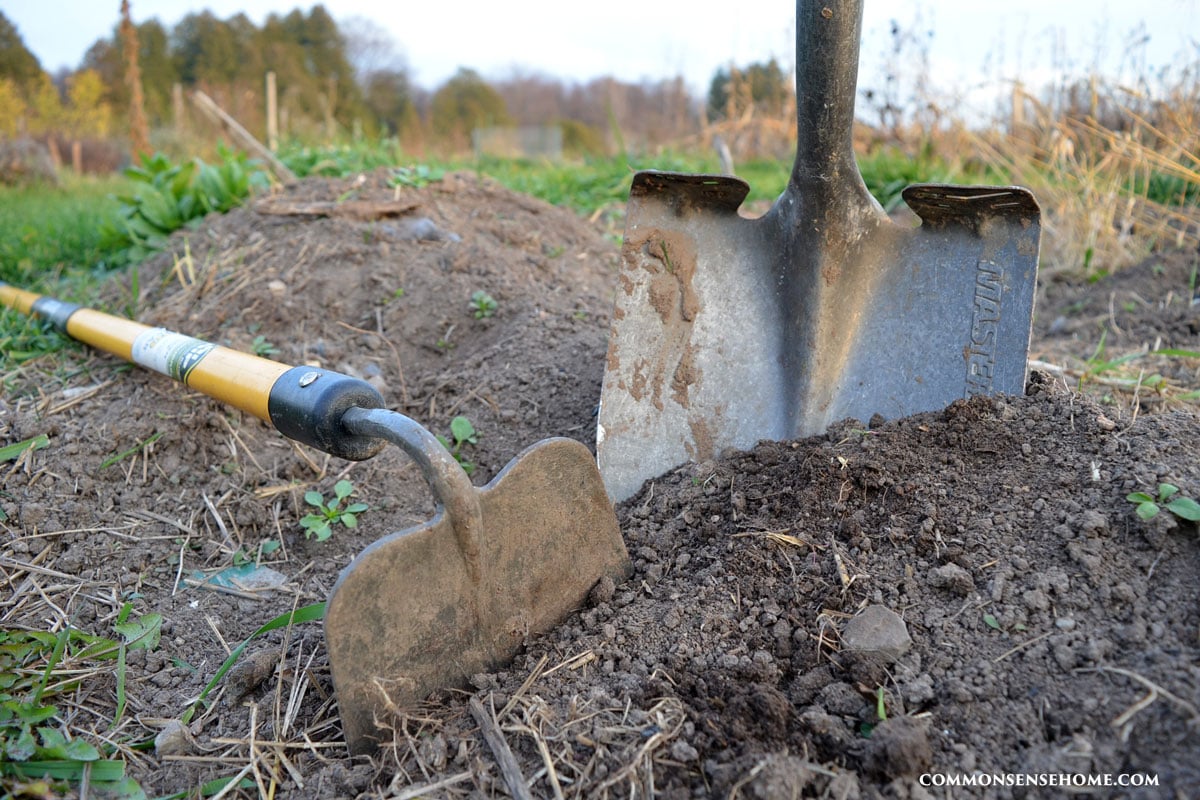
Don’t buy cheap plastic tools if you can avoid it. Shop yard and estate sales for bargains on real metal tools, or visit your local garden center. Get tools that are the right size for you to reduce the risk of injury.
Good tools will save time and effort, and your back. Keep tools clean and sharp, just like you should treat a good knife. To learn how to keep your tools in good condition, visit “Cleaning and Sharpening Garden Tools”.
#4 – Lay Out Your Garden Beds
Next, decide on the type and size of garden bed(s). One of the biggest mistakes new gardeners make is planting too much at once. Starting a garden with one or two well cared for beds is easier than converting an entire lawn.
Raised beds are attractive and may make it easier to work in your garden, but they also dry out more quickly. In very dry areas, sunken beds help gather available moisture.
Think about planting your garden in blocks or beds of plants instead of single rows. Beds should be 2 to 3 feet across – narrow enough that you can reach the center from either side. Keep beds roughly 10 feet long or less, so you avoid stepping into the bed and compacting the soil.
Within the garden beds, place plants in rows or a grid pattern. The goal is minimize walkways and maximize growing space. You only add fertilizer and soil amendments to the planting area, which saves time and money.
Start small, and make sure to give each plant enough room to grow. The seeds and transplants are tiny, but full grown plants can get huge. A small, well-tended garden can produce as much or more than a large, poorly tended garden.
For more ideas on gardening in limited space, see “Small Garden Ideas”.
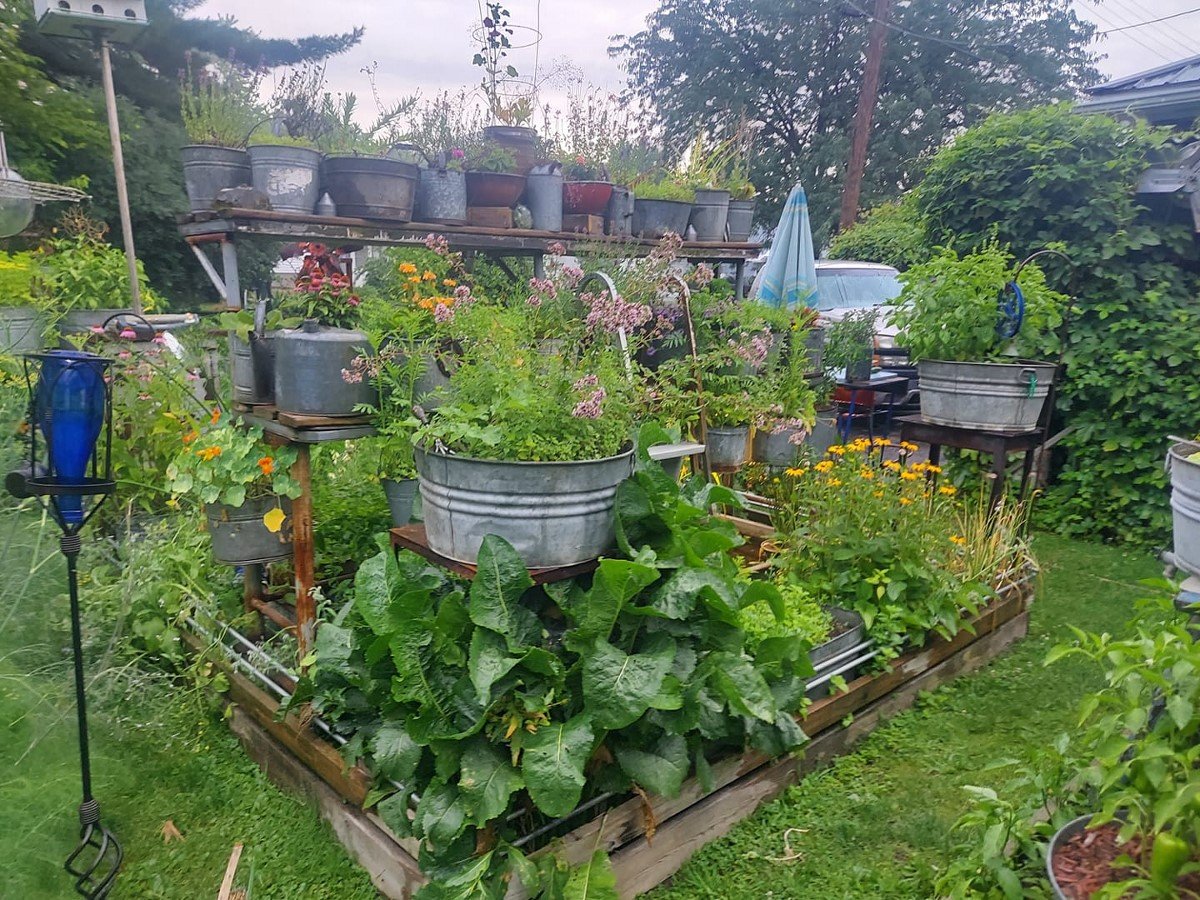
Vertical Gardening
If you grow vertically, you can squeeze more crops into less space. I trellis/fence or otherwise grow vertically my tomatoes, beans, peas, cucumbers, and occasionally other crops. Check out Vertical Vegetable Garden Ideas (with Photos) for more information.
What if you have a yard with limited growing space? Consider grow bags or containers to start your garden. Self-watering containers are a lot more forgiving than terracotta flower pots, which tend to dry out quickly.
#5 – Test Your Soil
Before you start planting, you need to know something about your garden soil. Is your soil acidic, alkaline or neutral pH? Do you have sand, clay, silt, rocks, or a mix of all four? Is there a risk of soil contamination from nearby structures, roadways or other sources? Does it have a good amount of basic nutrients?
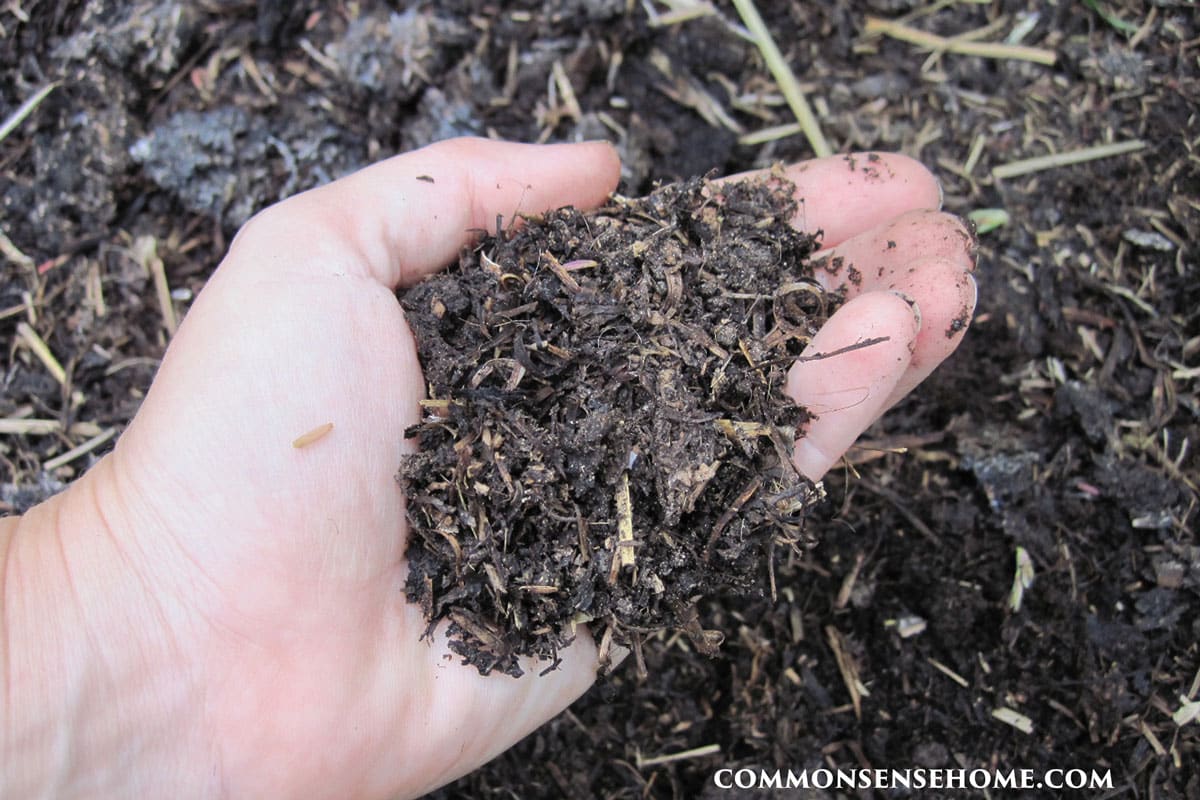
Some characteristics are obvious from looking at the soil. Others may require home tests or professional lab tests. For instance, lead contamination from old house paint is a problem in some areas.
Most garden crops prefer soil with a pH around 7 (neutral). Some like conditions that are slightly acidic (potatoes, for instance) or slightly alkaline (brassicas). Balanced nutrient levels are also important, as is the presence of organic matter.
See “Easy Soil Testing” for simple home test options. In the U.S., you can also contact your local cooperative extension office for advice.
#6 – Build Your Soil
If you’re starting with sod, you can cut it up in chunks and repurpose it. Or you can till it in, or lay down wet newspaper or cardboard to smother it and build a bed on top. Preparing in fall is best, but don’t let that stop you from starting in spring.
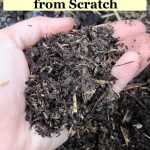
Most plants prefer a deep, well-drained, fertile soil rich in organic matter. Plant roots need good garden soil to produce good vegetables and fruit. One of the simplest ways to boost your soil is to add mix some compost directly into the planting areas.
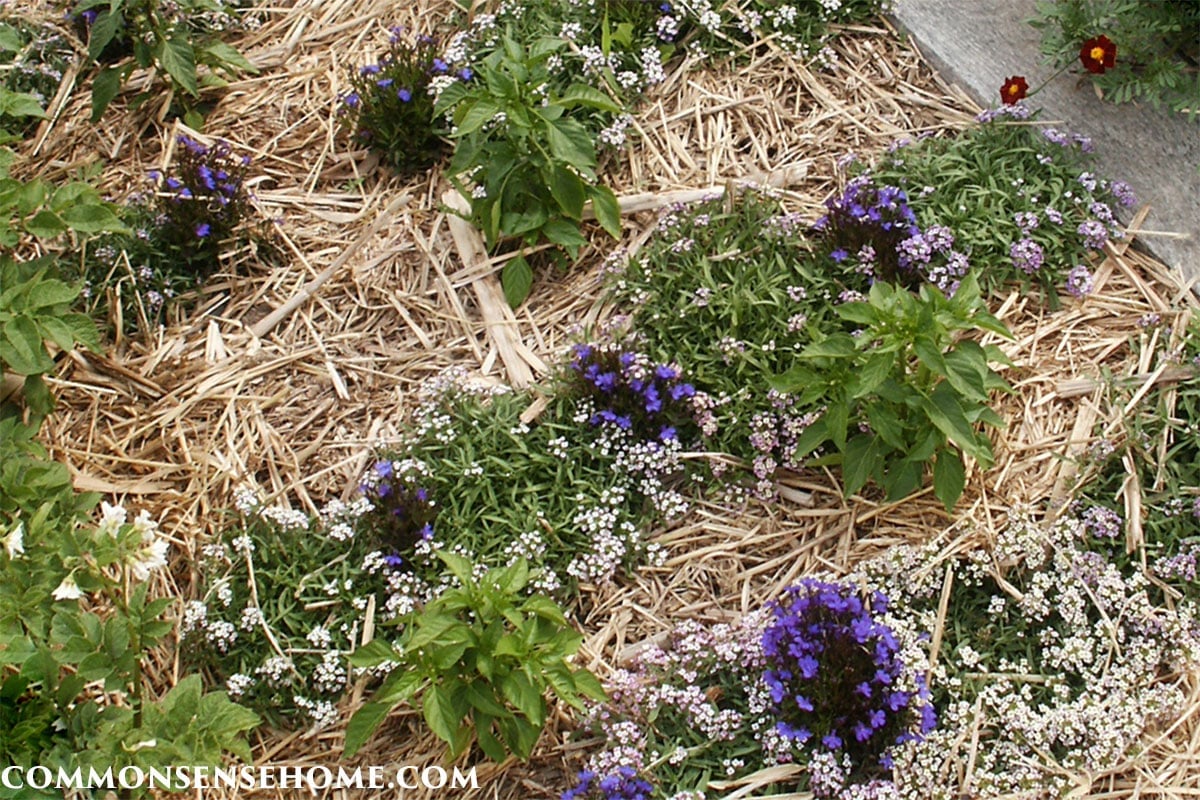
Once you start a garden, you’ll gain a new appreciation for healthy soil. Healthy, vibrant soil = healthy, vibrant plants with built in disease and pest resistance and more nutrition.
Each year, I add different types of organic matter, including compost, spent bedding, and mulch. You can learn more about soil building in the post, “Feed Your Plants, Soil and Microbes“. Our Regenerative Gardening Guide can help you dive in even deeper.
#7 – Decide What You’d Like to Grow
If you won’t use a crop, don’t grow it in your vegetable garden. Focus on the vegetables, flowers, and herbs that your family enjoys the most. 18 Fastest Growing Vegetables will give you ideas for “quick wins” from your garden. This Edible Flowers List will help you pick flowers that are beautiful and safe to eat.
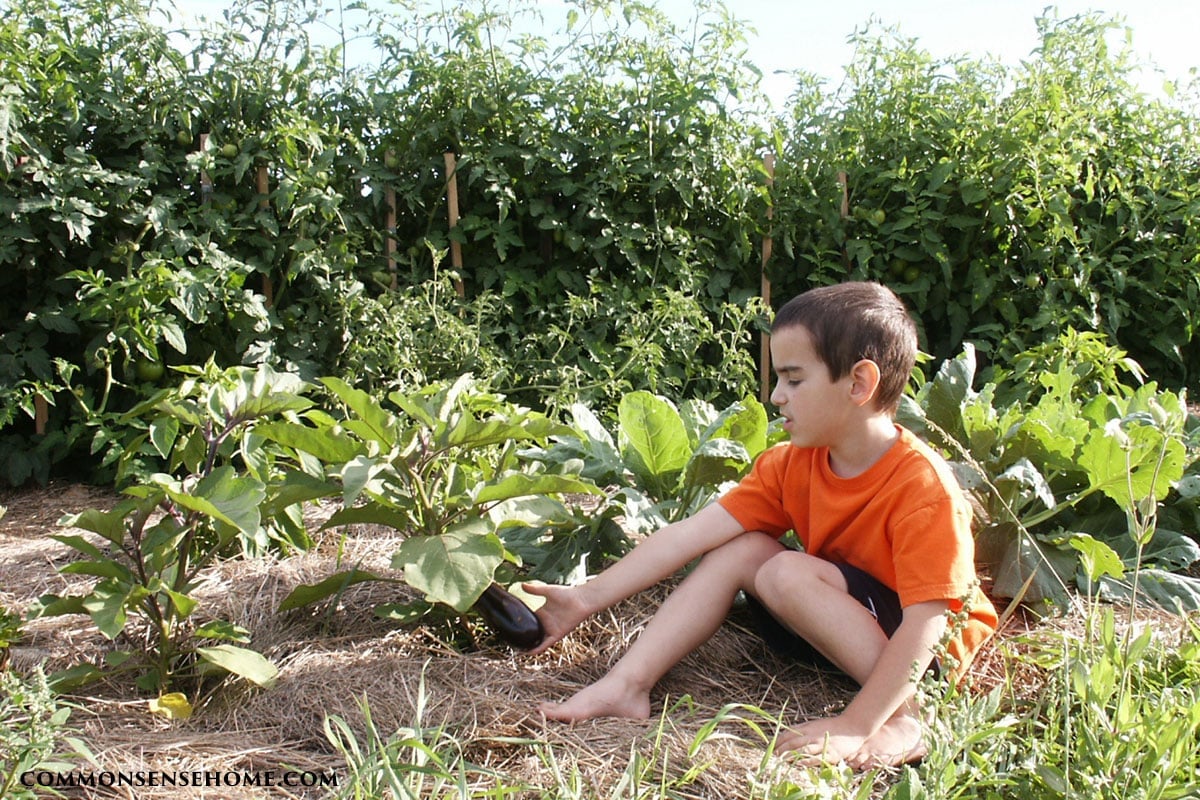
Do you want to plan for storage vegetables, or only enough to eat fresh? It’s probably best to start your garden with fresh eating in mind, but some vegetables are extremely easy to store. See The 5 Easiest Vegetables to Store for more information.
#8 – Choose the Right Seeds or Transplants
To learn which plants grow best directly seeded in the garden and which plants are better as transplants, visit the seed starting calendar. You can also read seed packets for planting instructions. My favorite seed sources are in the article “Best Heirloom Seeds“.
For the best selection of plants, grow your own transplants from seed. Starting your own transplants is a great way to save money, too. Our seed starting guide will show you how.
Here are some tips to help you spot the best plants at the nursery:
- Look for pots that are roughly equal in size to the plant. Big plants in tiny pots are more likely to be root bound and suffer from transplant shock when planted in the garden.
- Watch for signs of stress such as insect damage or yellow leaves. Many stores now set up seasonal plant sales in their parking lots. Even with regular watering, baking asphalt is hard on seedlings.
- Ask if plants or seeds were treated with potentially harmful chemicals such as neonicotinoid pesticides. Pollinators are critical for fruit set in the garden, so you don’t want to buy plants that may harm them.
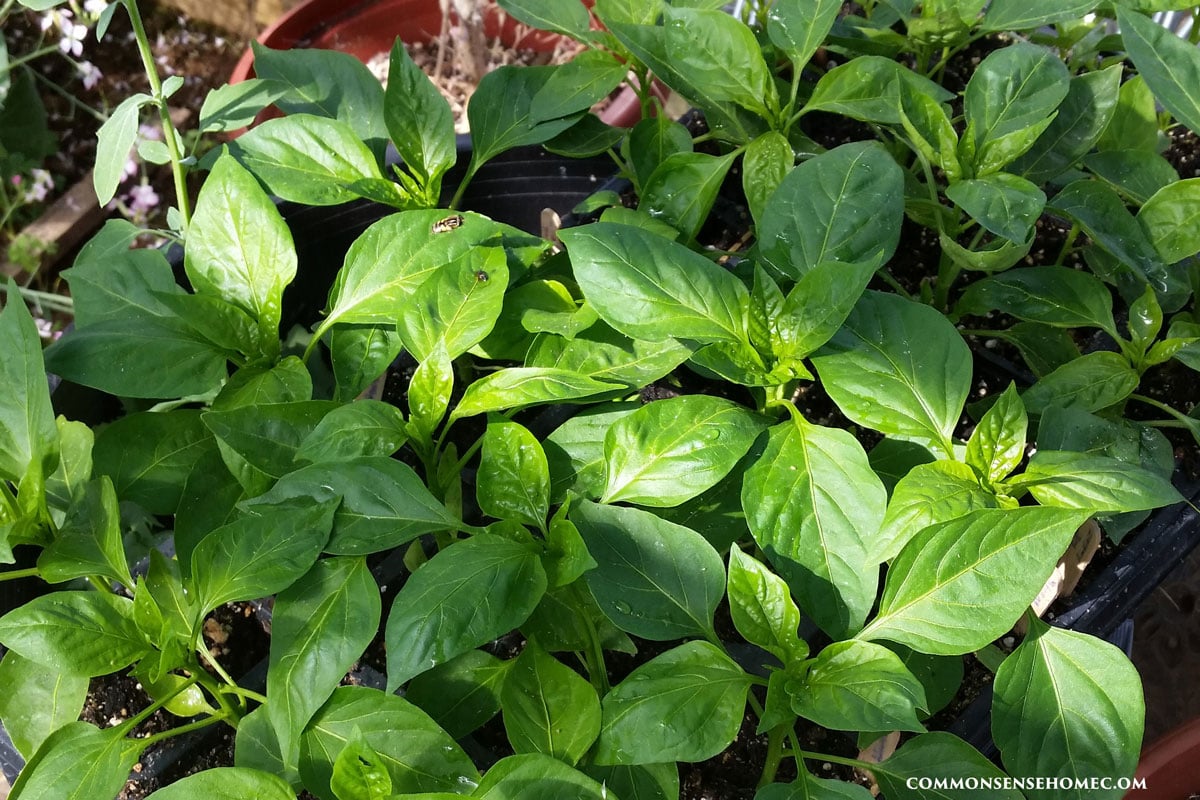
#9 – Plant with Care
Most seed packets and transplant containers come with basic planting instructions.
Rules of thumb for planting in your garden:
- Plant seeds roughly 3 times as deep as the diameter of the seed, unless otherwise directed on the package. Some seeds require light for germination.
- Plant transplants at the same depth they were growing in the pot. You can bury stems a bit deeper to stabilize plants. Tomato plants can have most of their stem buried. See “How to Grow Tomatoes Organically”.
- Wait until danger of frost is past to plant heat loving plants such as tomatoes, peppers, cucumbers, okra, etc.
- Young plants are easier to damage than older plants. Provide protection or hardening off as needed in the garden.
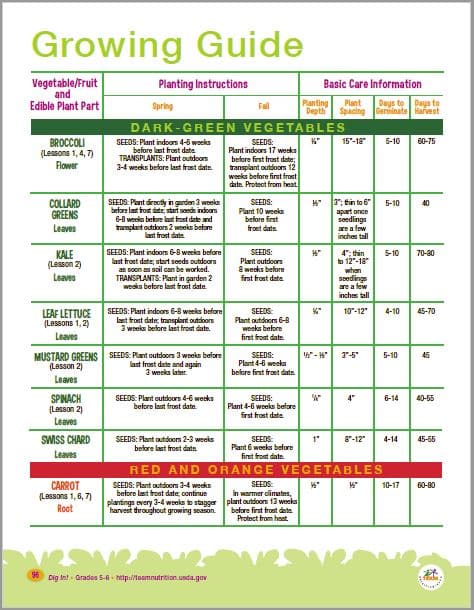
Click here or on the image below to get this handy pdf excerpted from the USDA school garden program. It shows planting depth, plant spacing, days to germination and days to harvest for a variety of common garden crops.
#10 – Care After Planting
There’s an old saying that says, “The best fertilizer is the gardener’s shadow.” If you’re not prepared to make time for your garden, hit the farmers market instead.
Keep ahead of weeds. Nab them when they’re small with a scuffle hoe – or use them as groundcover, food or medicine. Use organic mulch to reduce weed pressure. You can get the Weed-Free Garden Cheat Sheet here.
A rule of thumb for watering is that plants need around one inch of water per week during the growing season. If rains fail, you’ll need to water your garden.
Over watering is as bad as under watering, so always check the soil before turning on a tap or hitting the rain barrels. Soil that is too wet can cause seeds and roots to rot. Add foliar feeds like compost tea to give plants extra nutrition and a dose of healthy microbes while watering.
Stressed plants attract pests. If you have healthy, well-nourished plants, your pest problems should be minimal. For most problems, there’s an organic solution. If you’re going through all the effort to grow your own food, why would you want to put toxins on it?
For more detailed information on controlling everything from slugs to rabbits, check out Natural Pest Control in the Garden.
Enjoying Your Harvest
As crops mature, make sure to harvest promptly for best quality. Leafy greens, herbs, and flowers are typically “cut and come again”. This means you can clip off the leaves and they will regrow for another harvest.
Pick beans and peas every two to three days. Harvest sweet corn when cobs are filled out and silk is dark. Harvest tomatoes and peppers green, or allow them to ripen to full sweetness and flavor.
Flavor is typically at a peak when the morning dew has cleared, but before the afternoon heat has settled in. Sample and decide what tastes best to you.
Starting a Garden is an Adventure
One of the reasons I love gardening is because if things don’t work out right the first time, there’s always next year. There are dozens of different ways to do just about everything. You won’t know what works best for you and your garden until you try.
When you start small and focus on soil health, your garden becomes easier—and more rewarding—year after year.
Still have questions about how to start a garden? Leave a comment and I’ll do my best to help.

This article is written by Laurie Neverman. Laurie and her family have 35 acres in northeast Wisconsin. They grow dozens of varieties of fruiting trees, shrubs, brambles, and vines, along with an extensive annual garden. Along with her passion for growing nutrient dense food, she also enjoys ancient history, adorable ducks, and lifelong learning.
Originally published in 2012, last updated in 2026.
I got good information thank you so much.
You’re welcome.
Just for all the time that you are going to upgrade my life
Thank you all for looking at how to start a garden i appreciate it.
Thank you for sharing good Gardening tips for beginner. Very useful getting me a idea about Home Gardening. I want to be shared ur post with my friends.
I’m starting with gardening and honestly this article has helped me a lot. Thanks for sharing !
Best blog to check out if you are a beginner at gardening, this is great advice to know. I love how simple these steps are to follow and not so complicated so it makes it alot easier for those who are learning to start their very own garden. Thank you for sharing such a great informative article!
Hi,
A lot of great tips for people who are new to gardening.
In my my opinion, one of the main factors that any new gardeners need to concentrate on is the soil. If they could improve and maintain the fertility of the soil then they will not be facing many problems in their gardening activities including the pest problem and will increase their chances to success.
Thank you for all the steps and advices.. really useful for me as a beginner. Helpful and thoughtful! Thank you so much for sharing 😀
You’re very welcome.
After growing up in a family that gardened, your post hit all the top points on starting a garden!
Excellent article for beginners out there who want to start gardening. Thanks for sharing a great post.
Great post! I’m excited to get too know my weeds now. That’s a really encouraging tip! Thanks for sharing. 🙂
It’s amazing how useful these plants that so many people hate can be.
I love gardens
Excellent advice! this is a great post for new gardeners, I will be passing this on, as I’ve had a few questions from people about where to start, and sometimes its hard to know what to tell them. I think you covered everything in one post, well done!
Everyone’s situation varies, so I agree it’s tough to narrow it down, but hopefully this is enough to get people started. 🙂
Bugs’ Are gonna get bad
I updated your address in my blog roll. Thanks for the heads up. I see you through followers, so did not note the change.
I’m working on some baking and venison recipes this weekend. I can’t get around too fast yet, but my kitchen is small and I’ve some game meats folks brought me after I had my knee surgery. I might be slow, but it will still be fun.
That reminds me, I seriously need to make some venison jerky, as I, too, was blessed with meat from hunting friends, but thankfully not knee surgery. Heal fast, and thanks for making contact and updating the link.