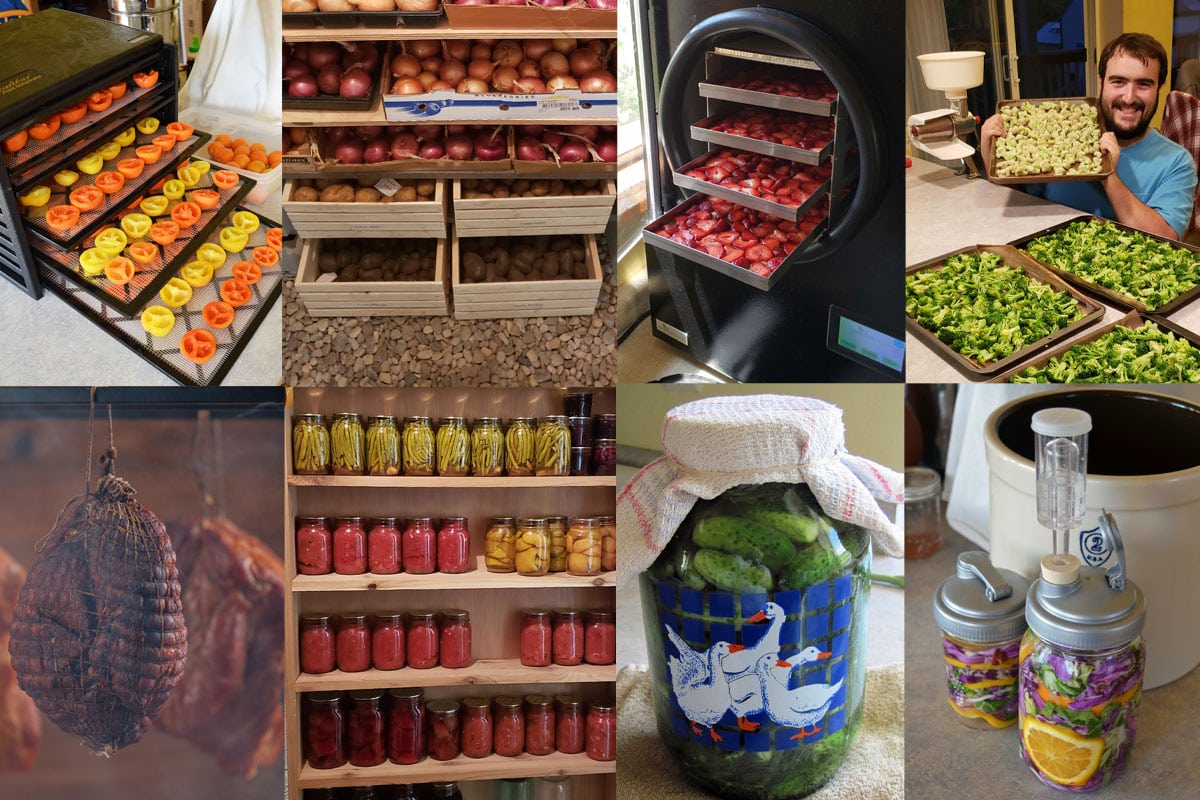
A lot of us are trying to stretch our food budgets by growing our own or purchasing in bulk. Many are also joining CSAs (Community Supported Agriculture) programs, which provide them with produce (and sometimes other items) throughout the growing season. To take full advantage of local food sources, we need to find ways to store food after harvest. If you’re new to food preserving, this post will give you a brief overview of the different techniques, and direct you to addition resources for home food preservation. Then you can decide which methods will work best for you.
How Can I Store Fruits and Vegetables at Home?
There are many ways to store produce for extended periods of time. The most common include:
Cool storage
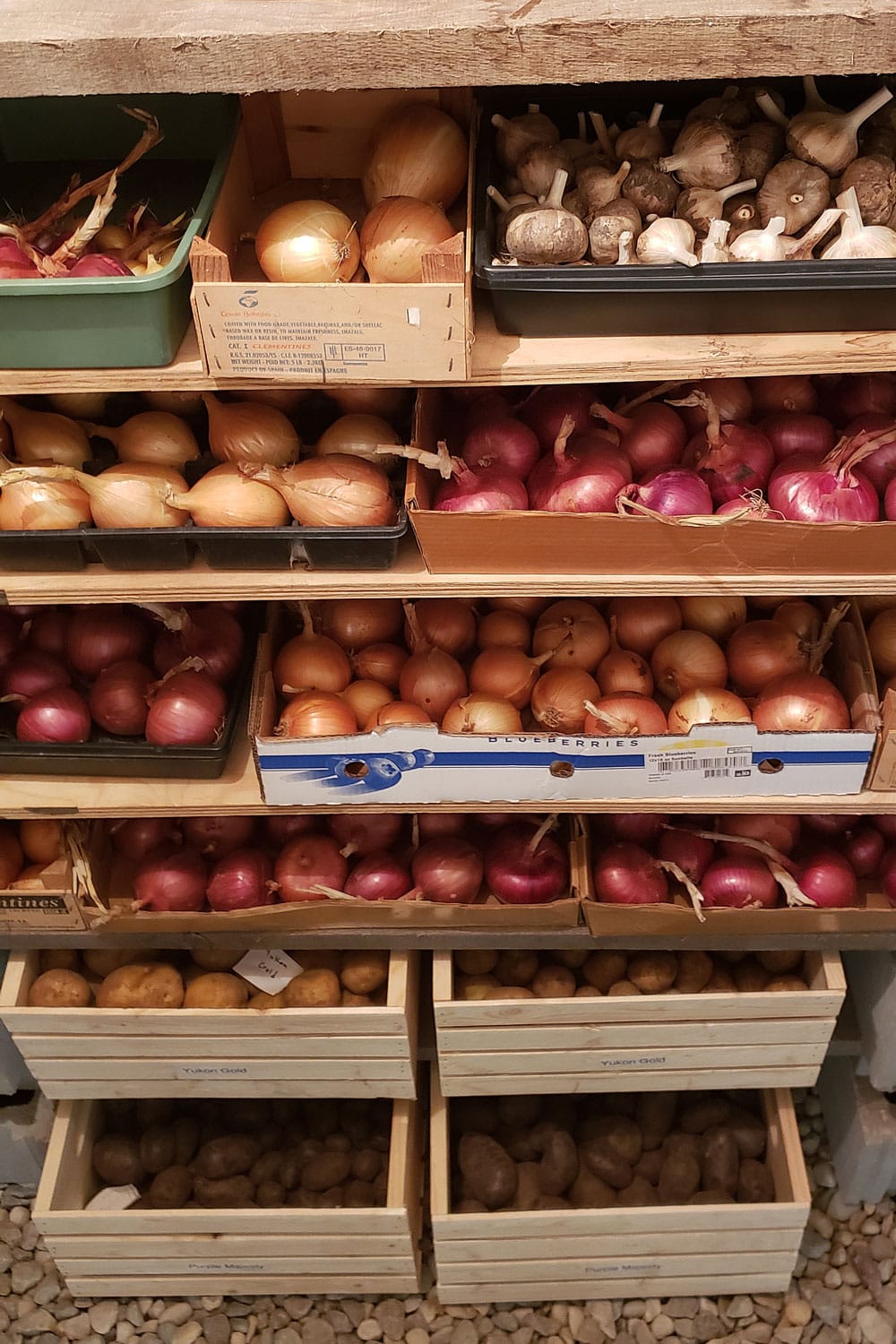
This includes cool, dry storage, such as an unheated pantry or porch, and root cellaring, i.e., cool, damp storage. “Root cellars” may include actual root cellars, unheated basement space, crawl space, in ground “clamps” (holes or trenches for food storage) and other options. Cool storage basics, including storage requirements for many crops, can be found in the post “Root Cellars 101“.
I always include storage crops that can store without much processing, such as shell beans, pumpkins and squash and root vegetables. You can read more about my favorites in the post “Planning for Storage Crops“.
Drying
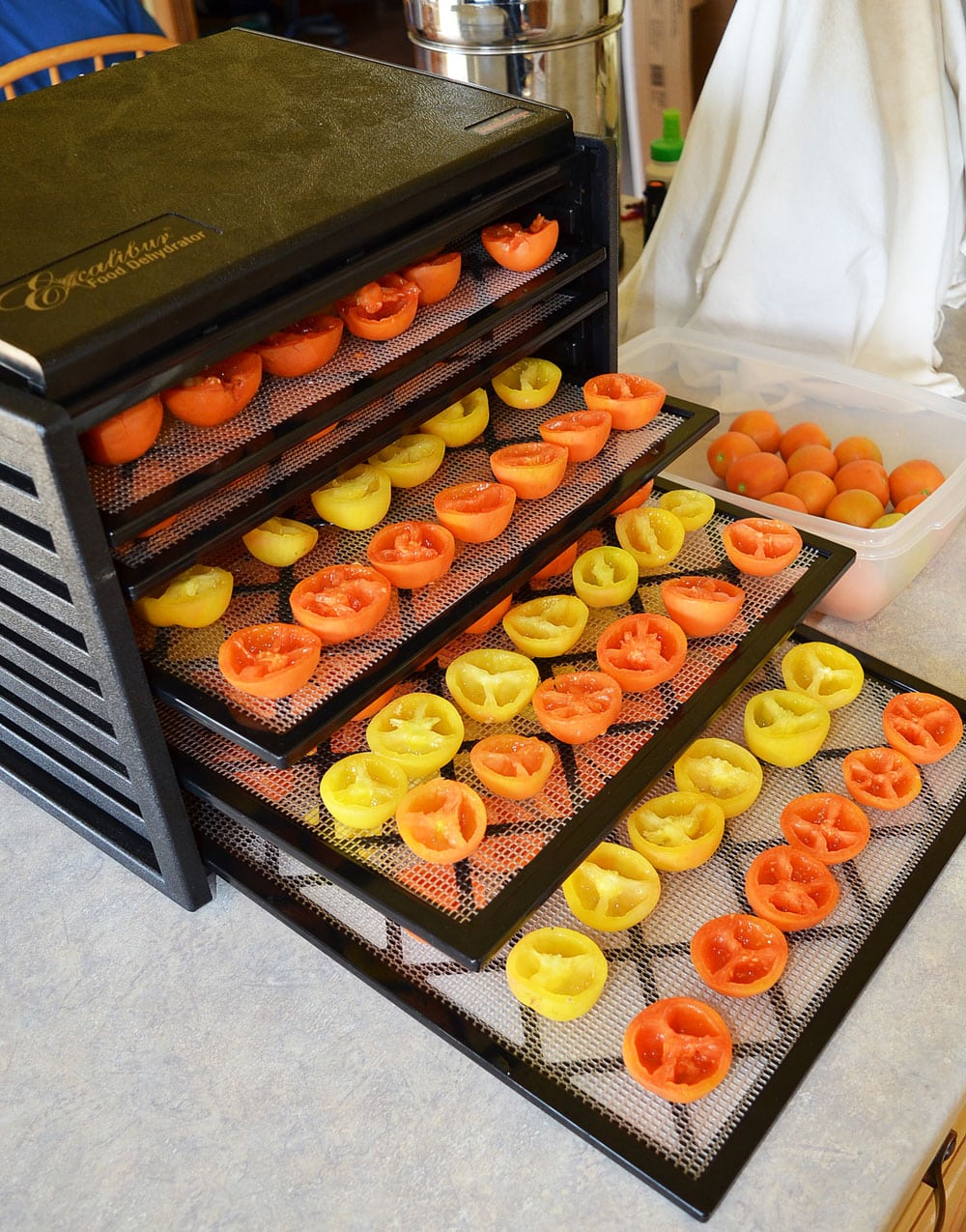
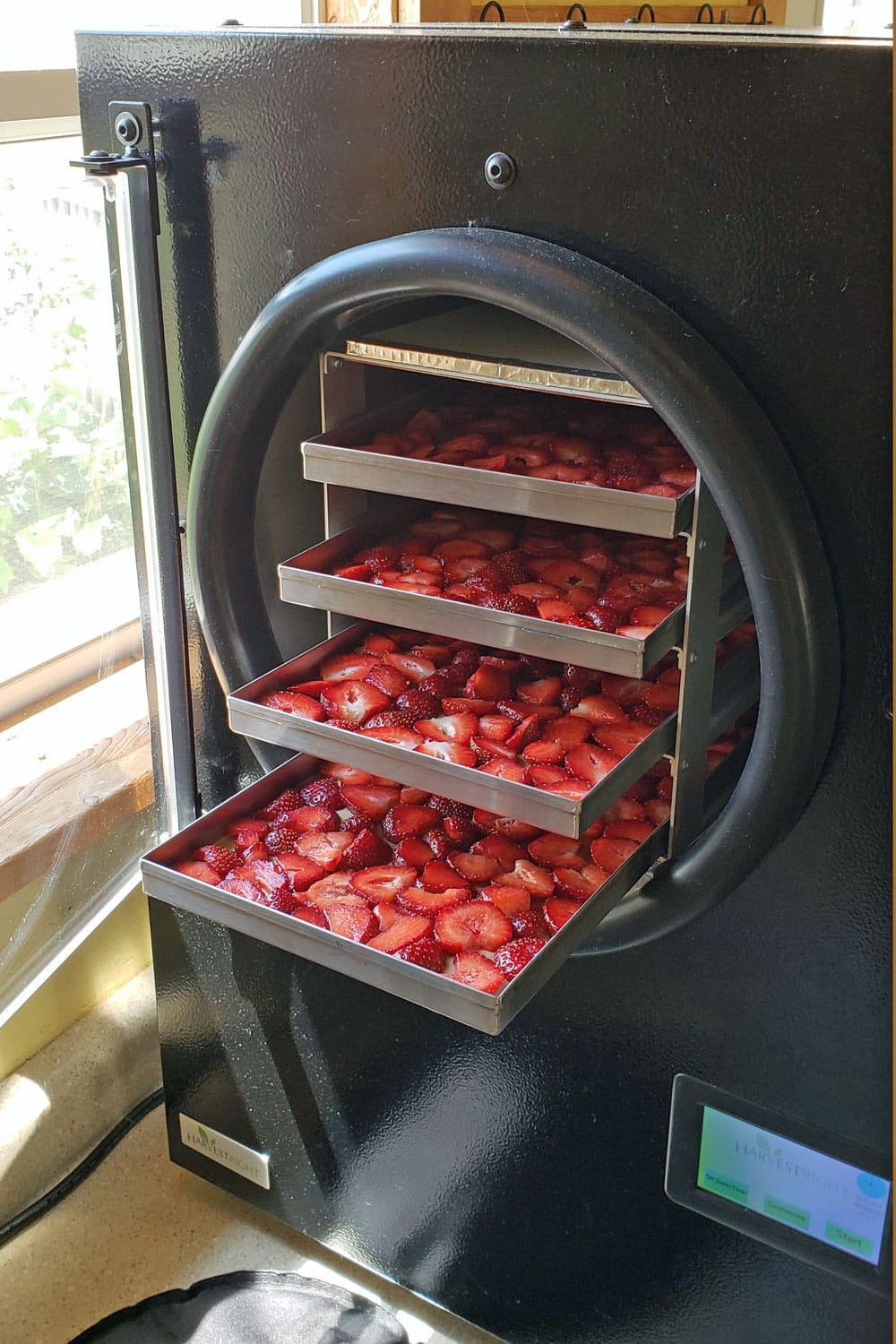
Food can be dried using a commercial dehydrator such as the Excalibur or American Harvest Dehydrator, or air dried in a solar dehydrator, on drying sheets or hang drying. Dried foods are great when storage space is tight, but dried foods loose more nutrients than root cellaring or canning. Dried foods should be stored in a cool, dry location in an airtight container for longest shelf life. The USDA recommends pasteurizing dried foods at 160F/71C for 30 minutes or freezing at 0F/-18C for 48 hours to kill insects and their eggs, but I haven’t had any insect problems with food dried in my commercial dehydrator. Read “Getting Started with Home Food Drying“.
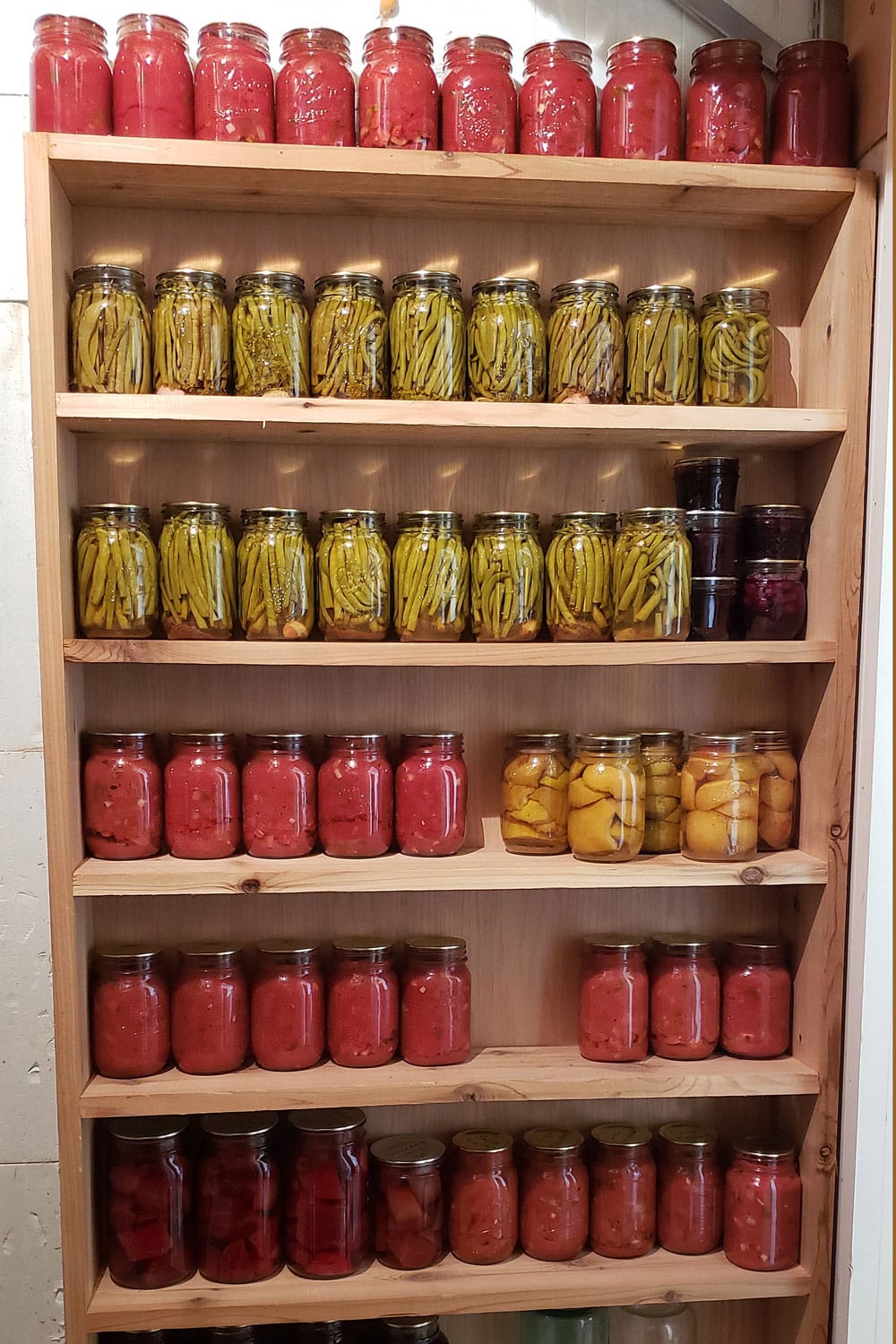
Canning
Canning is the heat processing of food in glass jars.
Water bath canning can be done with any large stockpot or kettle with a lid, as long as you have a way to keep the jars from sitting directly on the bottom of the pot and can cover your jars with at least two inches of water. Water bath canning is used to preserve high acids foods such as tomato sauce and pickles, and high sugar foods such as jams and jellies. If you can a pressure canner, you may use it for water bath canning by leaving the vent open.
Pressure canning must be done in a pressure canner, which processes foods using high temperature, high pressure steam. PRESSURE CANNING MUST BE USED FOR LOW ACID FOODS, such as beans, carrots, corn, soups, sauces, broth, etc.
Read “Getting Started with Home Canning“.
Freezing
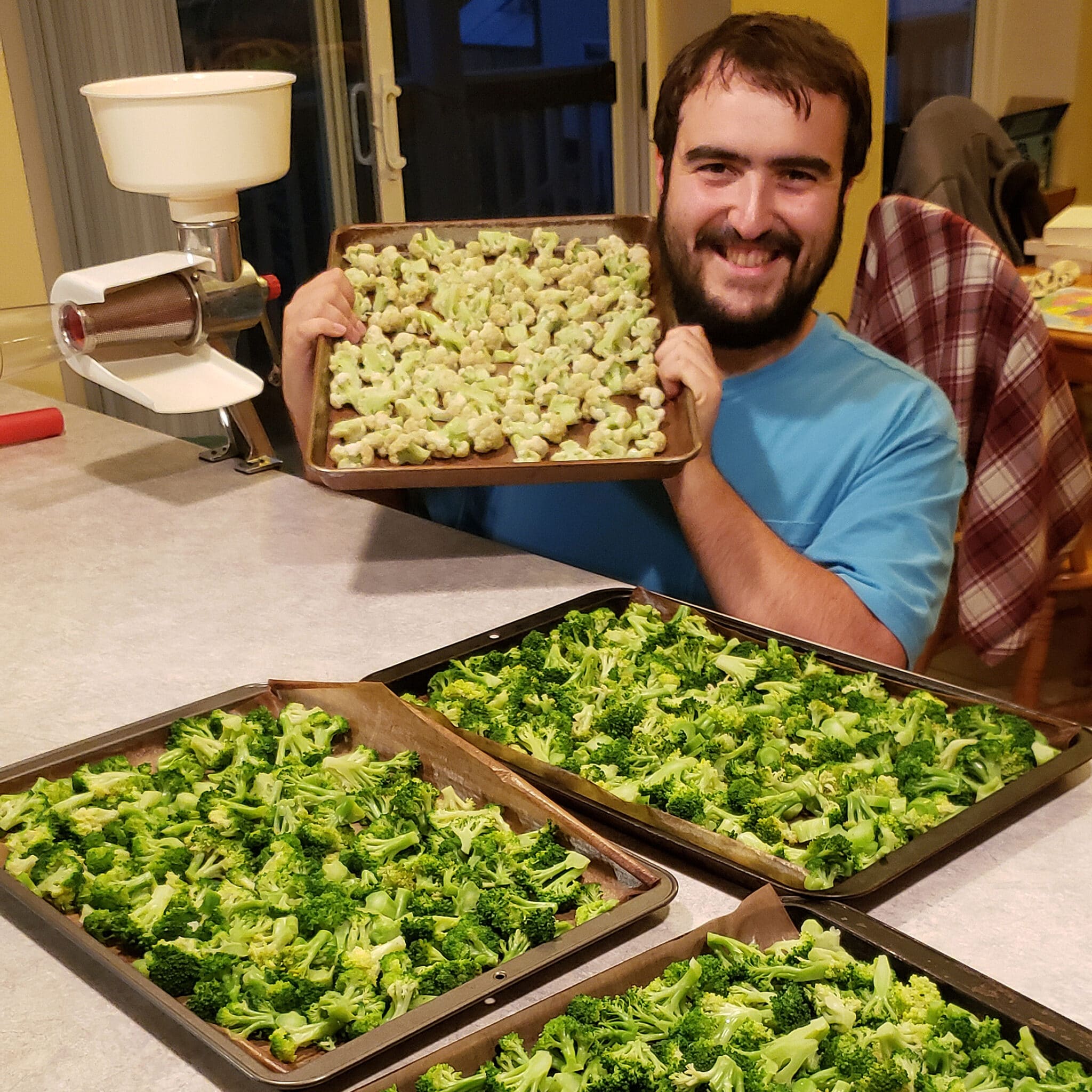
Freezing foods typically produces flavors and textures most similar to fresh, and can be done without much specialized equipment. It is recommended that you blanch (briefly immerse in boiling water) most produce before freezing to stop enzyme action and insure best quality. I like to seal my frozen produce in vacuum seal bags to prevent ice crystal formation. I have found this to greatly improve the quality and storage duration for most crops.
LactoFermentation
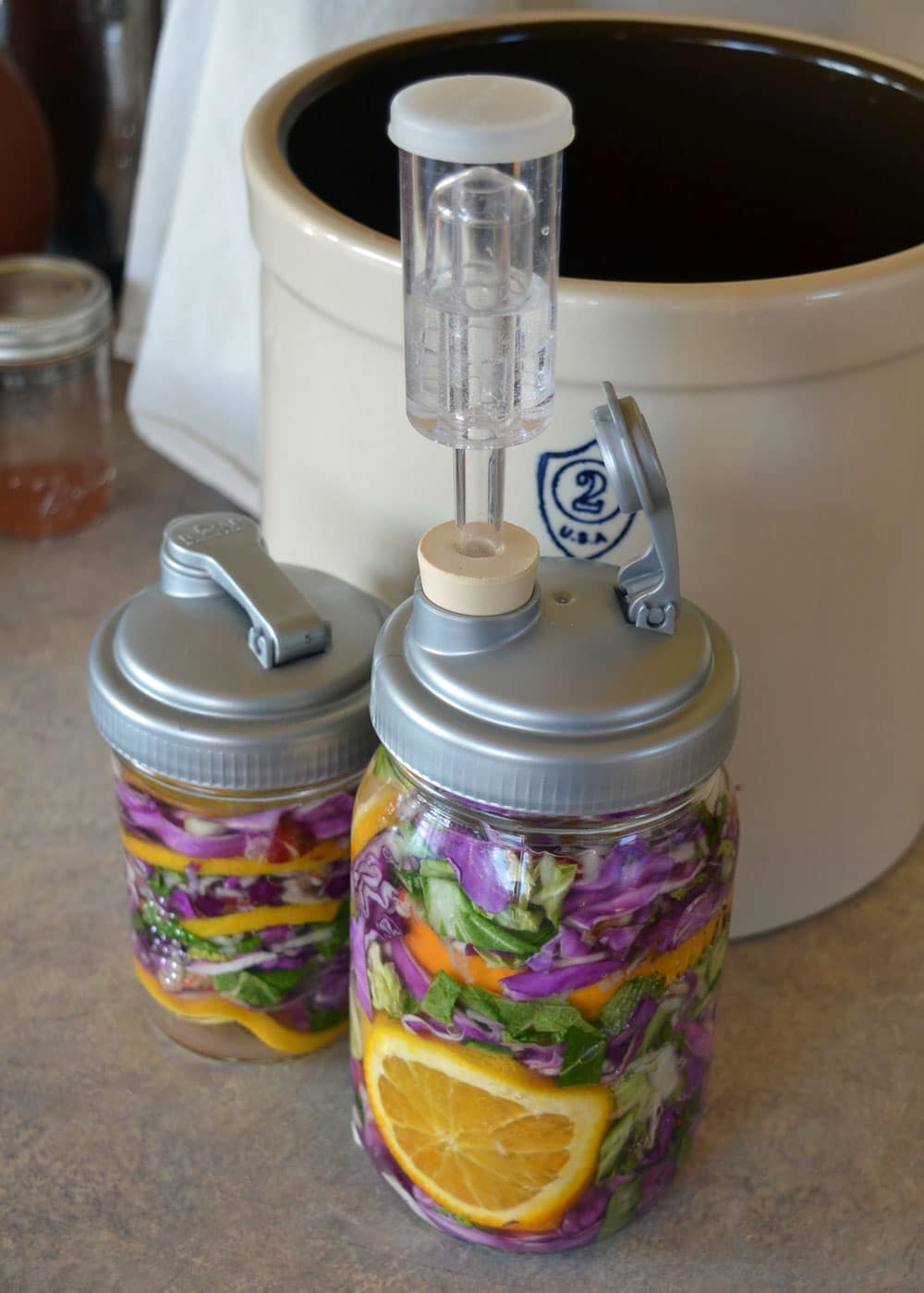
Natural fermentation can be used to change low acid foods into high acid foods, giving them a longer shelf life to store “as is”, or allowing them to be canned in a water bath canner instead of a pressure canner. Through the use of salt, whey or specific starter cultures, food is fermented, improving its digestibility and nutrient content. It becomes what is referred to as a “live culture food”.
Because fermentation involves substances such as lactic acid and specific microbes, the flavor profile and texture of the food does change. Fermentation is responsible for treats such as chocolate, cheese, yogurt, and kombucha, as well as pantry staples like sauerkraut, kimchi, sourdough bread and vinegar.
Preserving in Salt and Sugar
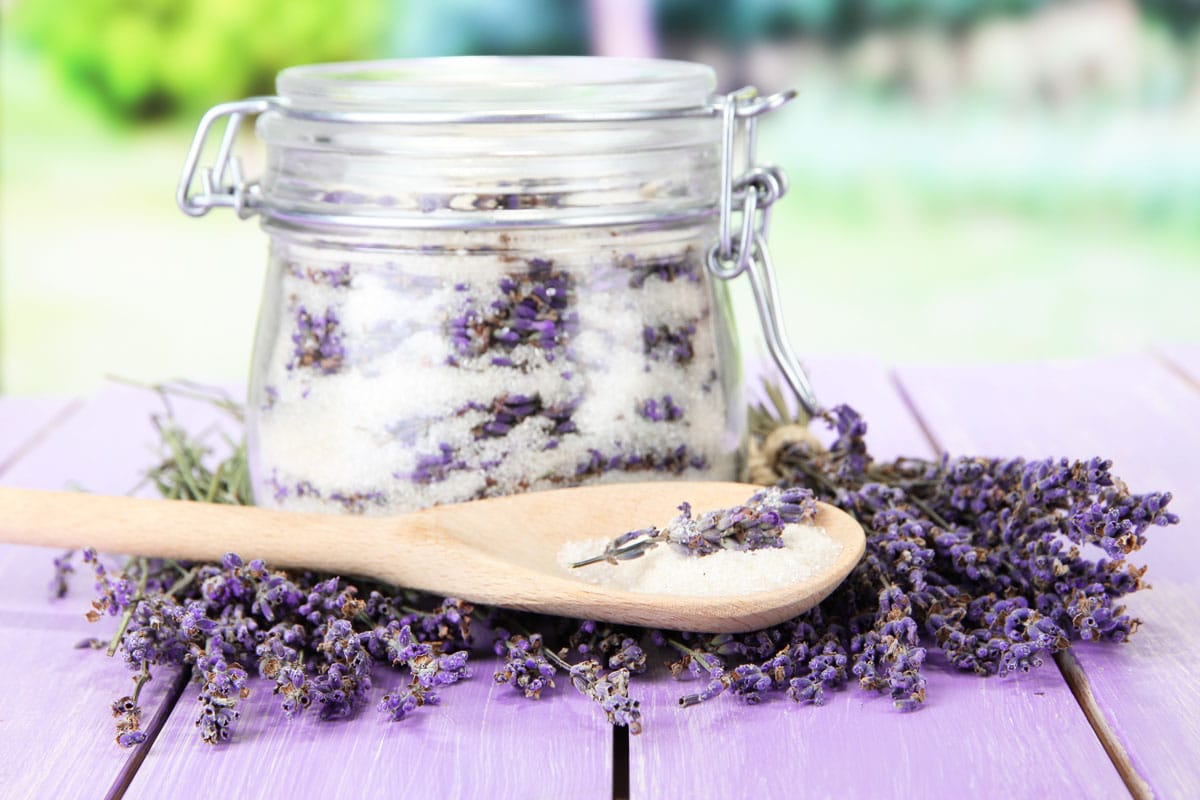
More common before modern canning, freezing and dehydrating were available, packing foods in salt or sugar draws liquid out of the food, drying it, while the salt and sugar also interfere with microbe activity. These methods significantly impact food texture and flavor.
Immersion in alcohol
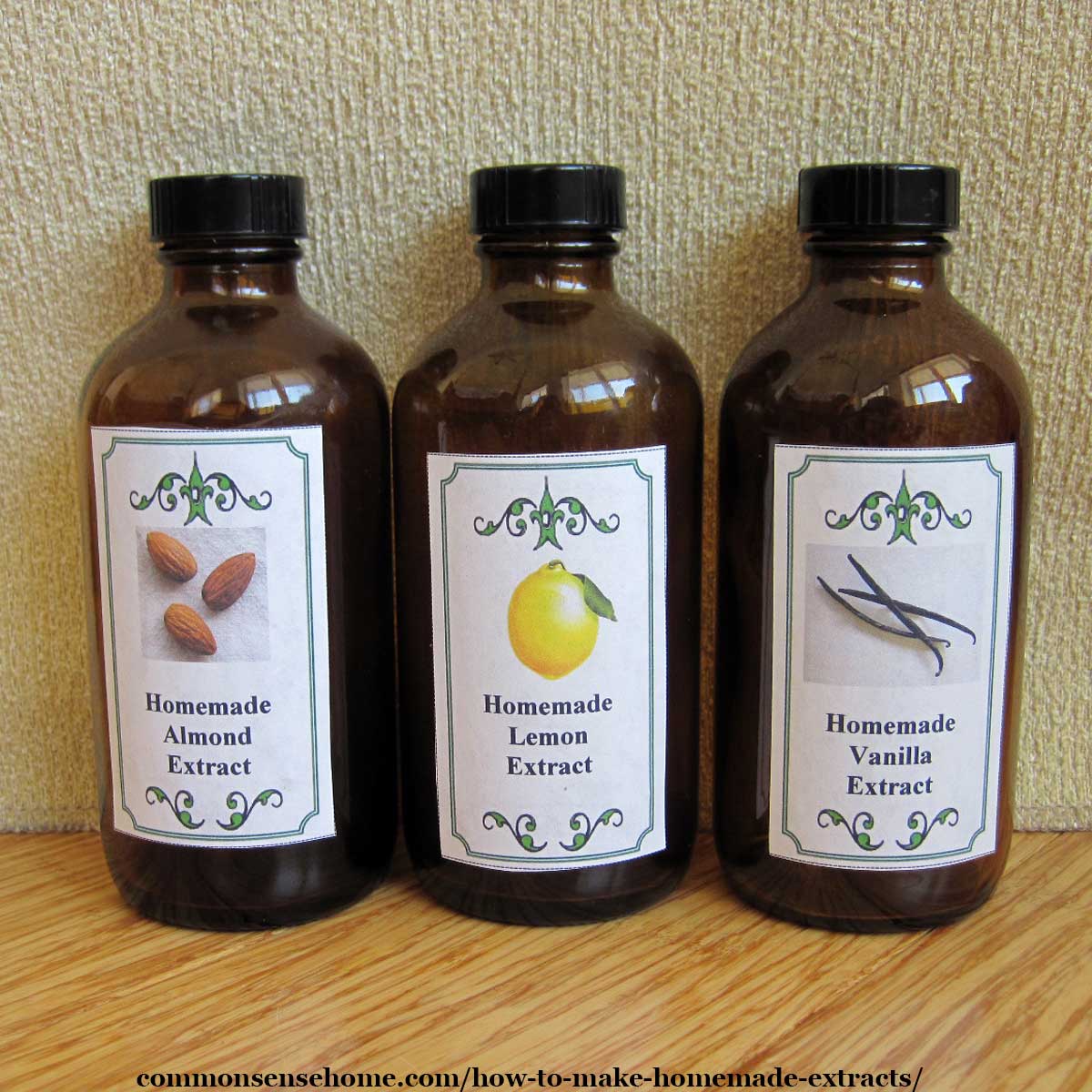
Booze is toxic to microbes (to us, too, if we consume enough of it). You can submerge small amounts of food completely in the hard liquor of your choice, and they will store almost indefinitely. Best for making flavor extracts or perhaps some highly flavored fruit. I’ve still got some raspberries in amaretto in the back of the fridge that I pull out for special occasions.
Vinegar Pickling
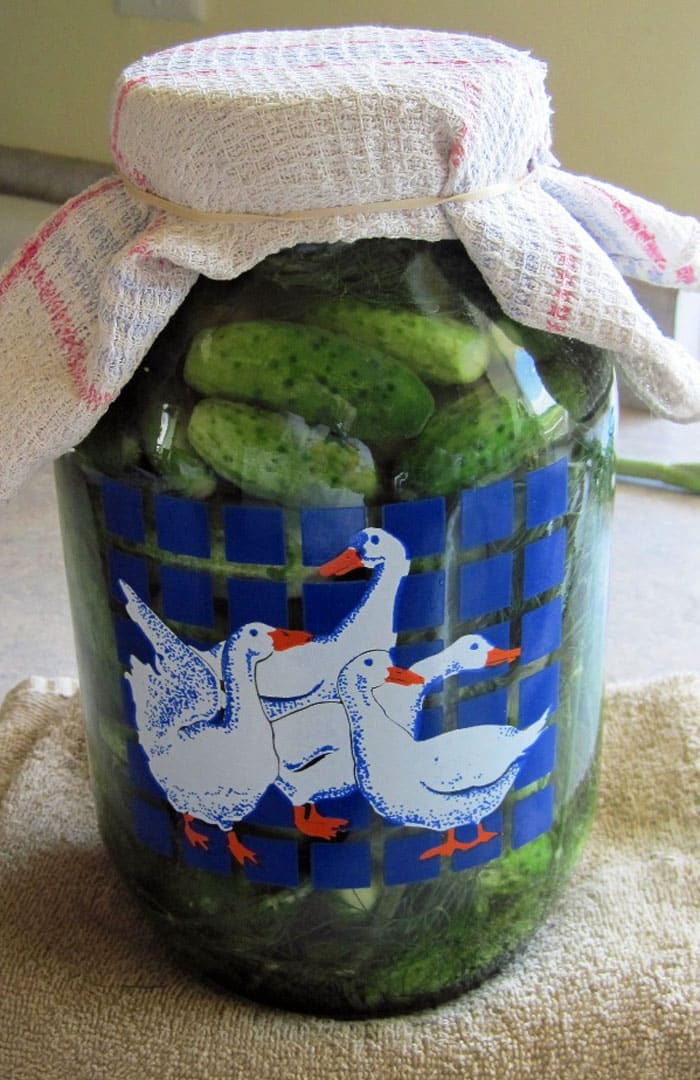
Microbes can’t survive in a high acid environment, so vinegar can be used for food preservation without heating/canning. Think old-fashioned pickle barrel. I make at least one batch of vinegar pickles every season.
Immersion in Olive Oil
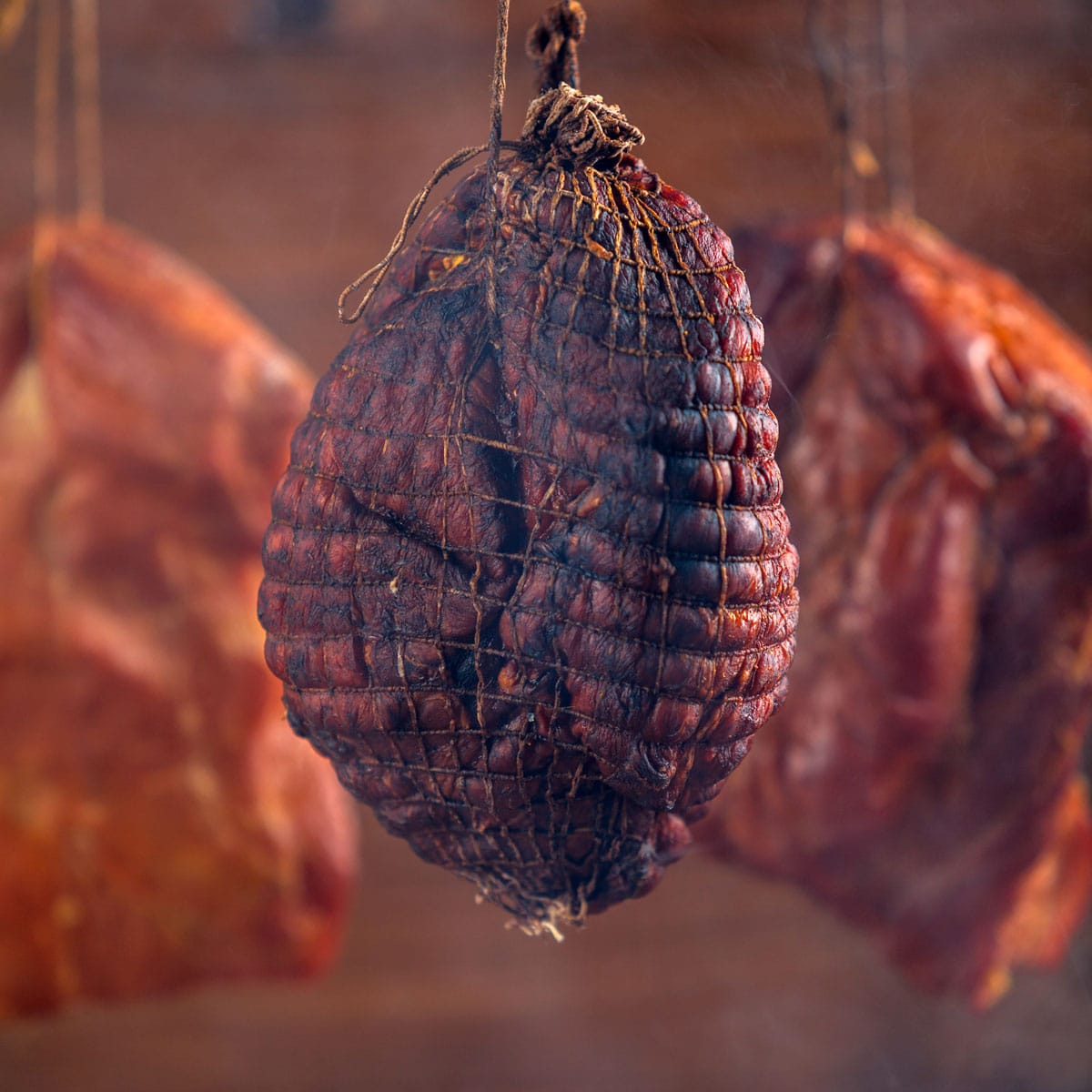
Very common is some parts of Europe, this is not one I recommend for the inexperienced home food preserver. Basically, food is immersed in oil, locking out the air, to preserve it. The trick is, air pockets can be trapped in side, and if the vegetables are low in acid, they present a serious botulism risk.
Which Food Preservation Method is the Best?
It really depends on what you’re trying to store and your storage conditions. The Natural Canning Resource Book states:
“While some nutrients are lost during canning, recent research has shown that refrigerating fresh fruits and vegetables also results in nutrient losses, especially of fragile vitamins like vitamin C. for example, broccoli loses 50 percent of its vitamin C and Vitamin A (in the form of beta carotene) after five days of refrigeration, similar in scale to the loss of vitamin C during cooking and canning. This is because plant foods are alive and thus continue to metabolize nutrients during storage. It’s safe to assume that root cellar storage causes the same magnitude of nutrient loss. Frozen food lose more nutrients than canned food after six months of storage. Dried food lose the most nutrients. With this in mind, canning is preferably done very soon after harvest, when nutrients are at their peak, thus preserving the most nutrients possible. “
In contrast, Mary Bell’s Complete Dehydrator Cookbook states:
When you dry foods at home under gentle conditions, you produce a high quality product. Compared with canning and freezing, both of which involve extreme temperatures, food drying is the least damaging form of food preservation.
Who’s more correct in their statements? I suspect both ladies may be correct, depending on the circumstances. In terms of taste and texture, I generally prefer frozen and canned products. Either way, properly ripened produce picked at perfect ripeness and processed quickly is nutritionally superior to most grocery store offerings.
Fermentation can add nutrition, but is generally limited to storage times of less than a year. Dried foods can last for years and take up very small amounts of space, but are best used in soups, stews or other recipes where they will benefit from long, slow cooking with plenty of liquid. Freezing is probably easiest for the beginner with minimal equipment, but requires freeze space, which can be limited. Canning can be used on a variety of foods, but does require some basic equipment. Canned goods may have a very long shelf life.
Recommended Food Storage Resources
Online
Getting Started with Home Food Drying
Getting Started with Home Canning
USDA Complete Guide to Home Canning
National Center for Home Food Preservation – Drying Food
National Center for Home Food Preservation – Freezing Food
and of course, here!
Books
Ball Complete Book of Home Preserving
The Natural Canning Resource Book
Mary Bell’s Complete Dehydrator Cookbook
The Complete Idiot’s Guide to Fermenting Foods
Preserving Food Without Canning or Freezing
The Encyclopedia of Country Living
Concerns about Tattler Reusable Canning Lids
After reading rave reviews online about Tattler reusable canning lids, I took the plunge and ordered some with friends. My results were not as good as I had hoped. I noticed a significantly higher failure rate than standard canning lids, both during and after processing. The lids are also easily damaged if they are improperly removed from the jar (say by an eager little boy who is hungry for peaches).
The Natural Canning Resource Book details further concerns:
“Tattler lids are composed of polyoxymethlylen copolymer, an acetal copolymer. Copolymers are linked plastics which contain two or more ingredients. … (The author’s father, a chemist) noted that the copolymer is made from a trimer of formaldehyde called trioxane and other compound variations. Formaldehyde is a highly-toxic substance long known to be carcinogenic. Some of the secondary additives are also potentially dangerous to human health and the environment.”
The Home Canning Resource Book also states that, “The National Center for Home Food Preservation has also documented higher levels of seal failure rates on Tattler lids than Jarden two piece lids.”
The book continues to give detailed evidence of uncombined formaldehyde in the lids. **Note – there has been some discussion about this on online forums since this post went live, noting that the temperatures involved in canning are not high enough to release the formaldehyde from its bonds in the copolymer. This is accurate.
When you have two ingredients going into a chemical reaction, A+ B=C. Unless the amounts of A and B equal exactly, down to the molecule, some of A or B will be left in the final product. Those “leftovers” are what could shed into your food with normal canning use – not the A and B that have already been converted to C. Risks should be minimal to the home canner, as the food within the jar is not in constant contact with the lid, but they do exist. I know many people are trying to reduce their use of plastic, or have immune systems that are already compromised, so I felt this was relevant.
Further, what happens to the workers who are exposed to the chemicals during the manufacture of these lids? Is it alright to expose them to formaldehyde, as long as it doesn’t get into your food? If you have further questions, I suggest you contact the author directly at her website.
The Tattler lids should not be used with alcohol, strong acids, chlorine or strong sunlight, which will break down the plastic of the lids. I won’t be ordering more of these lids.
Update: I decided to do a point by point Comparison of Jarden Metal Lids and Tattler Reusable Canning Lids.
I hope you find this post useful. Please consider sharing it if you do, and let me know if you have any “Getting Started” questions that you’d like answered.
View other “Getting Started” posts.
This post has been added to Fight Back Friday, Simple Lives Thursday and Homestead Barn Hop #97.
45 Responses to “New to Food Preserving – Start Here – Home Food Preservation Basics”
Sorry, the comment form is closed at this time.


Great info. Will retweet! Thanks.
So what lids do you recommend if not tattler?
Ideally, I’d like to see metal lids with no BPA. In terms of chemical exposure, I suspect it’s six of one and half a dozen of the other. BPA is a known endocrine disruptor, even at trace amounts, and formaldehyde is a known carcinogen. For me, the primary concerns (beyond chemical exposure) are higher failure rates and that the lids are prone to damage with normal use (in my household). Others may have a different experience.
I prefer using the Kerr two piece canning lids as they don’t have the white coating that the Ball ones do. Such linings often contain bha.
To Susan in above comment. The Kerr two piece canning lids that I still have do have the white coating. Not only that but Ball and Kerr are owned by the same company and I’m not sure when that happened. I am going to try a reusable lid from Lehmans.
I am new to canning and some other types of preserving. I’ve been perserving with salt, vinegar and I’m started to can. I thought this post was super helpful. Such great info and resources. Thank you
Thanks, Susan and France!
I asked Lisa Rayner of The Natural Canning Resource Book if she anythign further to say on the subject of Tattler lids and relative nutrient values of homes stored foods. Here is her reply:
Laurie,
I don’t have much to add to what I have already written. I always seek out as much physical evidence as I can before writing about something—meaning, scientific studies published in peer-reviewed journals.
What I see as the fallacy in Mary Bell’s statement on your Web site is that heat is not the only cause of vitamin destruction. It is one of several causes of nutrient destruction. Oxygen in the air (oxidation), sunlight and intense artificial light sources, moisture loss, and the slow death of produce in cool/cold/frozen storage are other causes of nutrient loss. This list might not be complete, either. Where and how dried and canned foods are stored are also factors in the quantity and speed of nutrient preservation/loss.
As far as Tattler lids are concerned, just because the FDA says a plastic is food-safe, that does not mean it is so. Most of the synthetic chemicals in use in modern society have never been subject to serious research on human health and the environment. To my knowledge, formaldehyde-based plastics have never been extensively tested the way bisphenol-A plastics are finally being investigated after decades of use. People thought BPA was safe, too. I have a plastic water jug I purchased from my local natural food store made of BPA (otherwise known as polycarbonate plastic) maybe five years ago. It has a label on it stating it’s supposed health benefits over softer plastics for food storage (at that time those softer plastics were finally being seen as potential health risks). Whoever created the label took very limited public information about BPA and made an untrue claim about the safety of BPA as a way to sell more jugs. I see the “BPA-free” promotion of Tattler lids the same way. Yes, the lids are made of BPA-free plastic, but that does not prove the lid plastic is safe. If someone wants to prove if Tattler lids pose a health risk, or not, and how much of one, they can go seek the grant money, do the research, and get their research results published in a peer-reviewed journal. Otherwise, I personally find the touting of unstudied substances as “safe” to be unethical.
Lisa Rayner
[...] sound much less scary! Check out this awesome alternative probiotic drink from Pickle Me Too! New to Food Preserving — Start Here: Check out this rundown of all the traditional ways to preserve your food in a healthy way, from [...]
I’m disappointed to hear about the Tattler lids. I honestly thought they were ceramic. I’m wondering if the old baler jar with glass lids and rubber rings is the best. What do we know about them and where can a person get them these days?
Cate – I don’t know of any ceramic lids currently being manufactured. Weck offers all glass jars with rubber gaskets, but they are quite expensive: http://www.weckcanning.com/products.php
The glass lids must be used with their jars, not standard canning jars. The jars are available on Amazon.com, too, but are even more expensive there (http://www.amazon.com/BlissHome-Weck-290ml-Preserving-Medium/dp/B005DXWZIE/ref=sr_1_3?ie=UTF8&qid=1326651125&sr=8-3)
[...] View the second post in this series “New to Food Preserving – Start Here“. [...]
Could you link to the NCHFP documentation of seal rates. I did a search on thier site but could not find it. Thanks!
All I was able to find is that they do not recommend lids with rubber rings (http://nchfp.uga.edu/how/general/equp_methods_not_recommended.html). I have sent them an information request asking for data specifically on the Tattler lids, but do not know when/if i will hear back. The information regarding failure rates quoted in the post was from the Natural Canning Resource Book.
I am going to take the plunge and begin canning this year, so thanks for sharing such a helpful post to get me started!
You’re welcome, Justine.
[...] For additional information on canning and other home food preservation methods, see “New to Food Preserving – Start Here“. [...]
[...] For additional information on canning and other home food preservation methods, see “New to Food Preserving – Start Here“. [...]
[...] The full original article can be found here: http://www.commonsensehome.com/new-to-food-preserving-start-here/ [...]
I know this is late to the original post date, but I have a dehydrating question. I dehydrated some mushrooms until they were nice and crispy and put them in a canning jar, closed up the lid and left them alone for a month or so. I opened up a jar and they are pliable and smell real strong. Not necessarily bad smelling, but a strong mushroom smell. Can I still use them or are they ruined? I guess I should have thrown in one of those oxygen packets???? I hate to throw them out but don’t want to get sick too. *sigh*
No worries about the late date. Just glad you stopped by.
It’s hard to say without being able to examine the ‘shrooms myself exactly what state they’re in. If they were properly dried, they should have stayed crispy. I’ve never used oxygen absorbers in my dried foods. The only “fancy” thing I’ve done is vacuum sealing sometimes.
If you think they smell edible, you could try eating one and see how it tastes and if you get sick. Crude, but effective. I generally check the jar lid within a day or so of storing dried food and look for condensation. If you’ve got condensation, stick it back in the dehydrator. I lost a few things early on to mold. You get a feel for it the more you work with different foods.
BTW, I love your blog.
Thanks!
It is very unfortunate to run across blogs like this which lead readers to believe there is a factual basis to the subject. With regards to Tattler Reusable Canning Lids, the premise of the story is based on flawed assumptions made by Lisa Rayner in her book. I have read her “findings” and have found them to be severely flawed and misleading, and we have attempted to contact her regarding her data. On the other hand, she never contacted anyone at our company regarding our product, and has no knowledge of the exact product we use, yet has a great amount of speculation and assumptions.
Furthermore, I have personally communicated with the Director of the National Center for Home Food Preservation, and know of no such data or information to corroborate your claim “The National Center for Home Food Preservation has also documented higher levels of seal failure rates on Tattler lids than Jarden two piece lids.” Could you please identify the documented source of this information for your readers?
Brad – so good of you to stop by! I’ve clarified within the post that the information on higher failure rates came from the Natural Canning Resource Book. This was noted in the comments section, along with a link to an article on the NCHFP site mentioning that they do not recommend canning with rubber rings.
While Lisa Rayner isn’t overly helpful about answering inquiries, I found the science she used in the Natural Canning Resource Book to be logical. You have stated that “her findings were severely flawed and misleading”. Perhaps you could clarify exactly what was wrong? I visited your FAQ page (http://www.reusablecanninglids.com/faq.aspx, for those who are interested), and I did not find it to address my concerns.
For instance, you state that the lids are made with “FDA and USDA food grade plastic approved for direct contact use in food applications”. Could you clarify exactly what this plastic is? Is it, as Lisa states “polyoxymethlylen copolymer, an acetal copolymer”? I’m not a chemist by trade, but I have taken a number of chemistry courses while studying for my Bachelors and Maasters degrees. In any chemical reaction, it is extremely likely that there will be some uncombined reactants. It’s virtually impossible to balance reactions completely. If there are uncombined reactants, then they will likely outgas or otherwise react with other substances during the course of the lifetime of the lid, no? The amounts should be minimal, but they are present.
As for the material being FDA and USDA approved, they approve of the use of non-stick coatings, too, and that’s not working out real well for some people. (Contaminated water in Ohio and West Virginia linked to OA- A chemical used in non-stick coatings may raise the risk of osteoarthritis – http://www.fluoridealert.org/Pollution/Perfluorinated-Chemicals/Osteoarthritis–Contaminated-water-in-Ohio-and-Wes.aspx)
I’ve used food grade plastic in a couple different applications. My former employer tried to use food grade flexible plastic tubing to transport propylene glycol mix antifreeze (also food grade) between solar collector and solar storage. We found over time that with the extremes in temperatures seen by the solar systems (not entirely dissimilar from the temperatures seen in canning) led to the degradation of the plastic. It became brittle and the compression fittings failed.
In my home, I regularly reuse food grade plastic buckets. Over time, they all become brittle. Every plastic thing I’ve ever owned has eventually become brittle. It’s plastic. I used your lids, I had higher failure rates, and my kid damaged the first one he tried to open. Maybe we didn’t “care for them properly”, but I am an experienced canner and did my best to follow your instructions. I also give out a fair number of jars as gifts, and don’t care to bother my friends and neighbors with having them return lids as well as jars. That’s my choice. Others may choose differently.
With respect, doing anything with only 14 jars is pretty skimpy “research”. I appreciate that you have a large array of anecdotal evidence and many, many people who love your products – some of my friends included. If you want to share large scale, long term research, preferably conducted by an unbiased third party, I would love to see your test results. Instead of just stopping in and lobbing insults, give me some hard science and make me a believer. I want my readers to have the best possible information I can give them.
PS – I have a close friend who is a chemist, and I’m sure she could help me out with anything you think might be over my head.
Thank you for the opportunity to clarify. While I am not interested in a tit for tat conversation, it is important to be clear about the product. It is absolutley true acetal copolymer contains formaledyde in trace amounts. The fact that “trace amounts” are present should not be overlooked. They are very minimal, but they must be considered and any potential negative effects should be mitigated. For example, the product should not be heated above 460 degrees fahrenheit or formaldehyde may be released. Everyone with any canning experience knows the safe temperature threshold for home food canning is no greater than 250 degrees in a pressure canning environment. The melt point of the plastic alone in nearly 350 degrees, so the lids themselves would be completely destroyed at temperatures nearly 110 degrees below the molecular breakdown temperature.
Yes, the NCHFP information does state they do not recommend the use of rubber gaskets. What they are, and have been commenting on for decades, are the glass top, bail style jars and/or the zinc lids. They also specifically state the following in at least on of their pieces of instructional literature
“When using the standard two-piece metal canning lid system, do not tighten ring bands on the lids. Also, do not push down on the center of the flat metal lid until the jar is completely cooled. For other lid systems, follow the manufacturer’s directions.”
http://nchfp.uga.edu/publications/uga/uga_processing_j_j.pdf
And again, you are correct about the natural degradation of plastic, however the extremes being referenced here, and in Lisa’s book are not reasonable comparisons. A plastic bucket, of a completley different compound, left outside in the elements 24/7 is going to be exposed to much different conditions than a plastic lid that will generally spend no more than a few hours a year in an environment well below its specific capabilities, then it will be placed in a room temperature environment out of any extreme elemental exposure for the remainder of its lifetime. The two are not the same. Nor is it reasonable to extrapolate that since tap water in a plastic pipe for 20 years causes plastic to become brittle, it is therefore comparable to the few hours a year a plastic lid may be submerged in a water bath.
The very simple point I would like to make is, we are very happy to openly discuss our product with anyone. However, Lisa Rayner never attempted to contact anyone at our company, yet she comments at length regarding our product and makes a number of very wrong conclusions in a book she has published and is offering for sale.
In the very blog the following comment was made without any substantiaing evidence,
“Further, what happens to the workers who are exposed to the chemicals during the manufacture of these lids? Is it alright to expose them to formaldehyde, as long as it doesn’t get into your food?”
How is that being responsible when there is no information whatsoever related to the work envir0nment and potential hazards present?
Please understand, as I said earlier, I am not interested in tit for tat. I am simply interested in fairness in reporting, which seems not be the case.
Brad – thank you for clarifying these points. If it’s a discussion, back and forth conversation is a good thing, no?
In reference to the formaldehyde exposure:
At the time this post was written, I had also recently read the book “No More Dirty Looks” – http://www.commonsensehome.com/common-sense-home-book-review-no-more-dirty-looks/
and “Slow Death by Rubber Duck”- http://www.commonsensehome.com/book-review-slow-death-by-rubber-duck/
Both books discuss the hazards of many commonly used commercial products, including formaldehyde, so the topic was on my mind. Even if exposure levels to the consumer are low, those who work in the plants where these products are manufactured have much higher exposure rates, with accompanying health risks. For instance, here’s a formaldehyde toxicity study – http://oehha.ca.gov/air/chronic_rels/pdf/50000.pdf
Among the occupations listed in the study were “chemical workers”. It doesn’t say specifically say that the people in the study were in any way responsible for your lids, only that they worked in the chemical industry and were exposed to formaldehyde.
Something I struggle with is which option is “less bad”? The metal lids have their own set of issues, too, and can’t be reused, but for me, their failure rates have been lower, and the chemicals associated with their manufacture thus far seem “less bad”. Perhaps you have access to data that I don’t that you could share?
May I ask why you haven’t done any formal long term studies of your lids, even on your own? If you had additional data, it would be helpful. I did find it really strange that you had been in business so long and didn’t have formal data. This is a personal bias on my part, but a former employer of mine sold products that were not tested properly, and did not perform as expected, so when I see a situation that looks similar, it sets off alarm bells in my head. I’ve looked all over your website, and can’t seem to find any detailed information on exactly how long you’ve been in business, why you went out of business, volume of product sold, number of replacement gaskets sold in relation to total number of lids sold – hard numbers on anything. I realize that’s not normal front end marketing material, but often those types of stats are on an “About Us” page or “About Our Product” page. If you got a compelling story about “coming back from the ashes”, as it were, I think people would appreciate that.
I appreciate that your products are made in America, BPA free and reusable, I’d just like to see some more hard data.
I can’t really speak much to the science aspect of this discussion myself (My background is marketing, and I flunked Chemistry twice), but as a consumer who has used the reusable lids, I have two thoughts:
I’ve canned several times using both Tattler and regular lids in the same batches. While I will agree this could possibly be user error, I did have a significantly higher rate of failure with the Tattler lids. In fact, each of the three batches that I canned had at least one seal failure, and one of them was discovered months later after the jar was already on the shelf. I normally have maybe one seal failure a year, and I am not an amateur canner.
Also – I am concerned with plastics in general. The truth is, we know so little in general about the long-term effects of many of these things we use. Remember when margarine was considered healthy? I mean geez, even smoking cigarettes used to be considered a healthy thing.
BPA-Free is the big thing right now, but I bet you dollars to donuts that at some point we’ll make another discovery about yet another compound in common plastics that is dangerous, and another one, another one, and so forth. Maybe it’s the formaldehyde in this type of plastic, maybe it’s not… but I don’t know if I really believe that any plastic is safe anymore. I think it’s more likely that we just don’t know about it yet.
So, while I think the Tattler lids are really great… I mean, I love being able to reuse them and I think they look a lot nicer too… I find myself reaching for my stockpile of metal lids when I do canning, mainly because I don’t want to deal with seal failures. I might be exposing my family to BPA in the process, I realize that — but I guess I’ve moved more into a mentality of wanting to minimize plastics and coatings in general, because my gut tells me that BPA isn’t the only harmful plastic out there.
And once again, as a consumer I would LOVE if someone came on the market with a reusable lid that was made of a strong glass (like pyrex?) with a rubber seal. If it can be done with plastic, can it be done with glass? I know SO many people who are converting away from using any plastic at all, and so as someone with a marketing background I can tell you there would definitely be a market. I think we’re all starting to see the glass tupperware-type storage containers on the shelves these days, which is an excellent indicator of a shift in consumer wants.
Thanks for your input, Bethany. As for the convenience aspect, I always write on my metal lids with a sharpie marker, so I miss being able to do that as well. It really irks me when I spend all the time processing, and then need to reprocess to get a seal or eat the failed food. There have been so many advances in materials science, it seems like we should be able to come up with an affordable alternative. I suppose there’s not much incentive since it would take away the Big Ag corps.
Just a small thing, but I wanted to mention that I write on my jars with a Sharpie and that works very well. It washes off easily with a sponge. I do a lot of fermenting and so need to write the date and what went in things (especially water kefir) or I can’t remember when it will be ready. (Or what it should taste like!)
Thanks, Sarah. I usually use masking tape and a sharpie on jars where I can’t write on the lids.
Thank you, Laurie. I’ve also been doing some reading and I am now removing all plastic from my kitchen. I, too, have concerns about the plastics that are currently considered safe, knowing that BPA was once considered safe. I’m sure a few weeks or months from now, they’ll come out with info showing other forms of plastic have problems as well. I’m tired of being part of a great science experiment and I certainly don’t want that for my kids.
Hi Laurie! Thanks for the great information.
I’m very interested in your discussion with Brad from Tattler and I have to say that I’ve changed my mind about buying from them. Enough questions about their safety have been raised that I was questioning whether I should or not, but his responses here have been pretty rude. I wonder what happened to the old ethic of “the customer is always right” – which does not imply that the company has to bow down to the customer at all costs, but simply that the customer should be treated with respect at all times. Sadly, it seems to be going the way of the dodo. It seems like this would have been a really great opportunity for the company to make some new customers and change some minds, what with you having a well-read blog and more than 9000 followers on Facebook.
Anyway, the other thing I was going to say is that, I’m no expert, but the amount of BPA in the Kerr and Ball lids surely is a lot less than the amounts in commercially canned foods, so I hope no one stops canning based on that fear. If we have to choose between two evils…. I’ll be sticking with Ball and Kerr.
Thanks for the post! Chrissy
All I can say is WOW! That’s a lot of information. I’m very glad to see Brad leave comments in an effort save the reputation of his company, but unfortunately I will never use Tattler lids. The very fact that there are copolymers is reason enough. I will not even use the regular ball or mason lids brand new since they contain plastics.
Even the smallest amount of plastic chemicals can bring havoc to the hormonal system of humans and other beings. For that reason alone, Tattler lids are not a good option for home canning. EVEN IF! the seal worked 100% of the time.
Human error can be the problem, but it seems that Tattler lids are more to blame. Not only that, but a lot of time and energy is put into canning, as well as produce that will spoil if lids don’t seal properly. If the lids do fail and it is the Tattler lid that is to blame, will the company also compensate customers for lost product, time and energy?
In the final analysis, everyone is entitled to their own opinion, and if Tattler wants to really be on board with the canners of today, they’d allow comments on their “blog,” but from what I can see, this blog as well as others that tell the truth about Tattler lids open their blogs up to discussion. How come Tattler doesn’t?
The alternative to ball and kerr lids would be weck jars. Even though they are more expensive canning jars, I’ll take the higher priced jars and glass lids over the high cost of health care due to plastic poisoning. But hey, that’s just my opinion.
Hi Laurie,
Thank you for this info. Are you using the regular lids now? Do you know how to avoid getting the BPA in the food?
Yes, I am using regular lids now. I talked with SB Canning recently, and Ball is supposed to be producing a BPA free lid soon. For now, for me, it’s a toss up between a potential edocrine disruptor or a potential immune system disruptor. Amounts of either in a properly home canned food item will likely be less than a commercially canned item packed in metal. With either lid choice, the food should not end up in direct contact with the food for extended periods of time. Using up food items each season (as opposed to letting them sit on the shelf for many years) will also reduce risks of exposure.
Here’s a link to weck jars, which use rubber ring and glass lid from Canning 101:
http://www.foodinjars.com/2011/03/canning-101-how-to-can-using-weck-jars-giveaway/
Thanks, Angela
[...] I’ve read as some members of Nourished Living Network, such as Melanie of Pickle me Too and Laurie from Common Sense Homesteading, have uncovered more information about other types of plastics and their potential dangers. As it [...]
[...] uncombined formaldehyde in the Tattler lids after reading The Natural Canning Resource Book in this post, it prompted a visit by Brad Stieg of Tattler, who shared the above information from the Tattler [...]
[...] If you’re unfamiliar with home food preservation, I recommend checking out the post “New to Food Preserving – Start Here“. If you decide to purchase canned food items, make sure to buy from a reputable [...]
SBCanning is an invite only site!!!! I went to her site and can not get on
That’s new – not sure when that happened. She has disappeared off Facebook, too (not been active). Not sure what’s going on. There is a lot of information on her Facebook page – https://www.facebook.com/pages/SB-Canning/130750240327122?ref=ts&fref=ts
I like to use dry erase pens on the lids of my kefir and things that will quickly be consumed.
I have just learned how to can in the last few years, but sometimes I have a hard time knowing how to use it up.
I have a large pot with a lid that I could use for a water bath system of canning. It didn’t come with a rack. Any suggestions what can be used to prevent the jars from sitting on the bottom of the pot?
Thanks
Our local hardware store (Martin Hardware) sells racks separately, so you may want to check for this option, or you can find a variety of them online, such as this one – http://www.amazon.com/gp/product/B007QT4GO4?ie=UTF8&camp=1789&creativeASIN=B007QT4GO4&linkCode=xm2&tag=commosensehom-20, which is sized for large or small jars. You can also make a rack by tying together seven regular sized canning rings – 6 on the outside and one in the middle.