
Emergency Preparedness Basics for Every Household

This post may contain affiliate links. Read my full disclosure here.
Emergency preparedness is simply the process of getting your household ready to meet essential needs when normal systems fail. With a few well-chosen steps, you can keep your family safe, warm, and fed during most short-term emergencies.
Emergencies rarely arrive with much warning. A winter storm knocks out power, a tornado touches down nearby, or a family member gets hurt when the roads are closed. You don’t need a bunker or a year of food to be prepared. That said, you do need a plan, some basic supplies, and the confidence to handle disruptions when they come.
Below are the core emergency preparedness areas every household should address, plus links to more information. Cover the basics first, and then build on your existing supplies and experience.
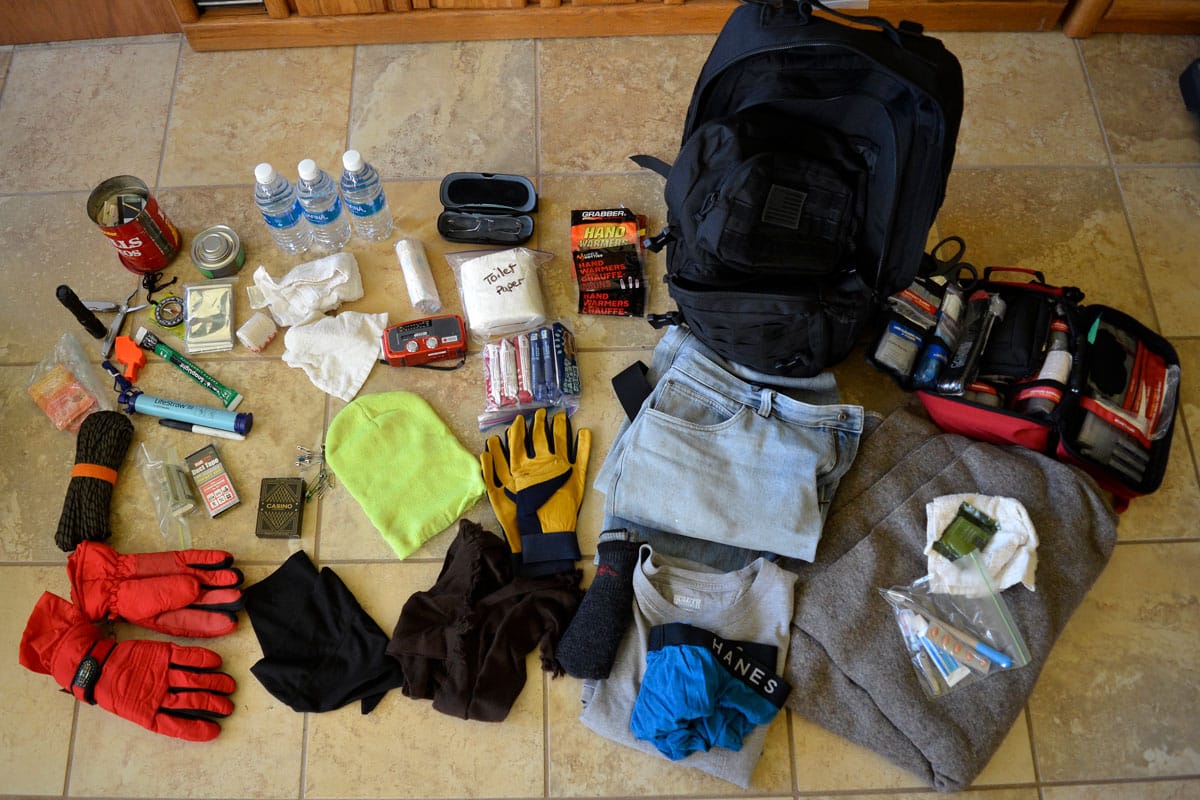
Table of Contents
Start with the Most Likely Emergencies
Every region faces different risks. In the Midwest, power outages and winter storms top the list. Coastal areas deal with hurricanes, while Western states wrestle with wildfires. Look at your local hazards first — they’re the ones you’re most likely to face.
Ask yourself:
- What weather events affect your area each year?
- Can you cope with job loss and minor injuries?
- What infrastructure is vulnerable — power, water, heat?
- Are there medical needs in the household that require electricity or refrigeration?
A good starting point is the 72-hour baseline used by emergency agencies. Your goal is to meet water, food, heat, hygiene, and medical needs for at least three days without outside help. After that, you can expand into longer-term resilience.
Water: Your Top Priority
Humans can go weeks without food but only a few days without water. Aim for at least one gallon per person per day for drinking and minimal hygiene. Two to four gallons per person per day or more is better, since the average U.S. family of four uses 100 gallons per day.
Store Water
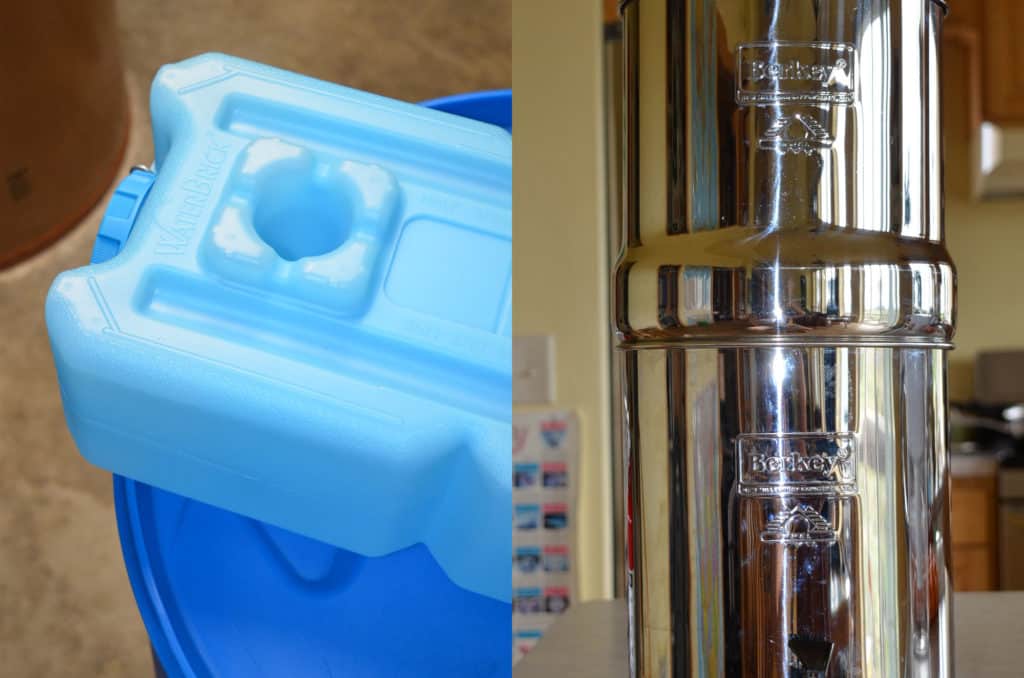
Commercially bottled water is the simplest approach, but you can also store water in food-safe containers. Label and rotate it every six months.
Make Water Safe
If tap water becomes contaminated or you must collect water from outdoors, you need a way to disinfect it. Boiling, filtration, and chemical treatments each have pros and cons.
For more information, please read Emergency Water Storage and Filtration and Boil Water Advisory tips.
Food: Simple, Shelf-Stable, and Familiar
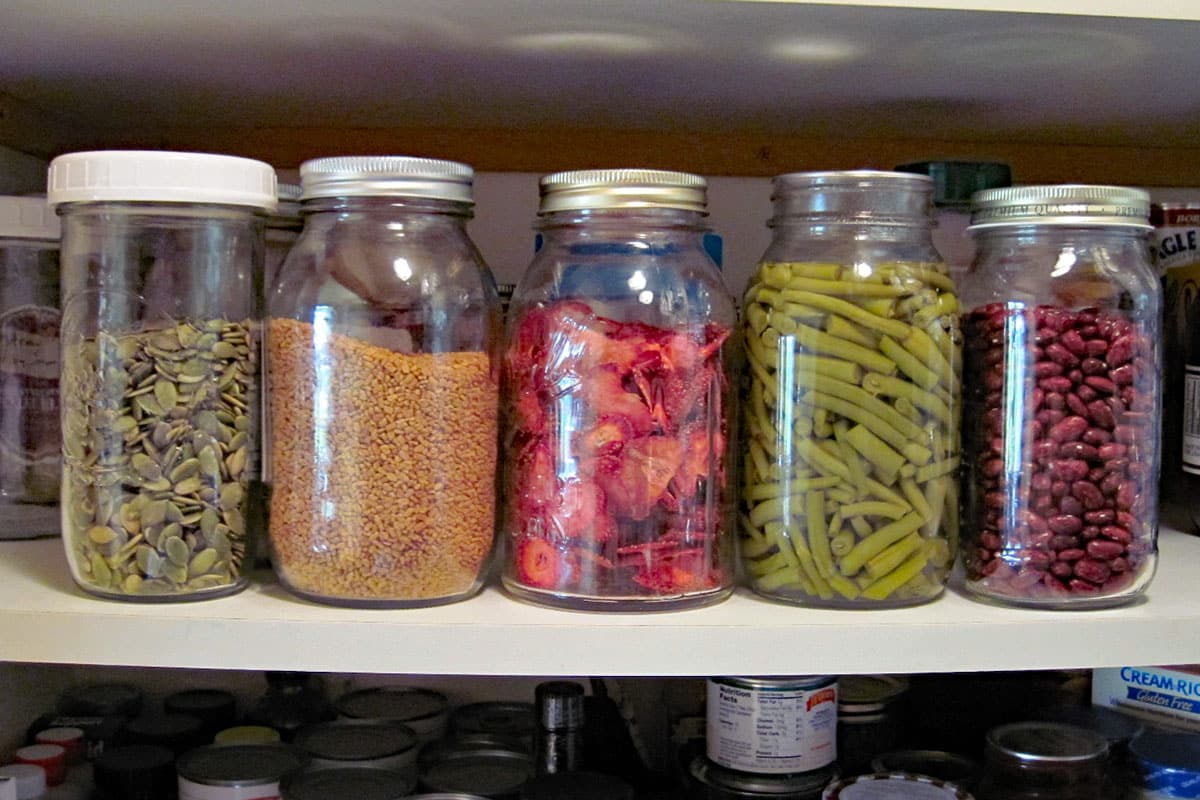
Emergency preparedness food doesn’t need to be fancy. Focus on meals your family already eats and avoid items requiring long cooking times or lots of water. If food prices rise, which is likely, extra food storage will save you money down the road. Don’t forget pets and livestock.
Good options include:
- Canned soups, meats, fruits, and vegetables
- Peanut butter, crackers, granola bars
- Instant rice or pasta
- Powdered drink mixes
- Shelf-stable milk or nut milk
A manual can opener is essential. So is a way to heat food safely during a power outage. For detailed options, visit Emergency Cooking – 10 Ways to Have a Hot Meal When the Power Goes Out.
See also:
- Foods to Stock Up On (for Daily Use or Emergencies)
- Long Shelf Life Foods – What Lasts the Best?
- Preparedness Storage – Finding Room and Keeping it Safe and Sound
Light, Power, and Communication
When the grid goes down, reliable lighting and communication keep stress levels manageable.
Light
- LED flashlights and headlamps
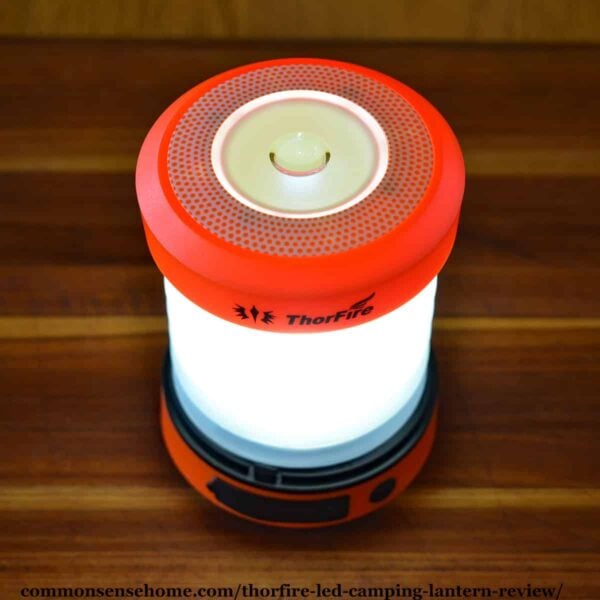
- Battery-powered lanterns
- Solar or hand-crank options
- Extra batteries stored in a cool, dry place
Avoid candles during storms or earthquake-prone events unless absolutely necessary.
Backup Power
Small battery banks (power banks) keep phones charged so you can receive alerts. For extended outages, portable solar panels or larger battery systems can run essential devices.
See also:
When the Power Grid Fails – 10 Things You Need to Prepare
Emergency Power Options for Your Home
Flashlight Information and Recommendations
Staying Informed
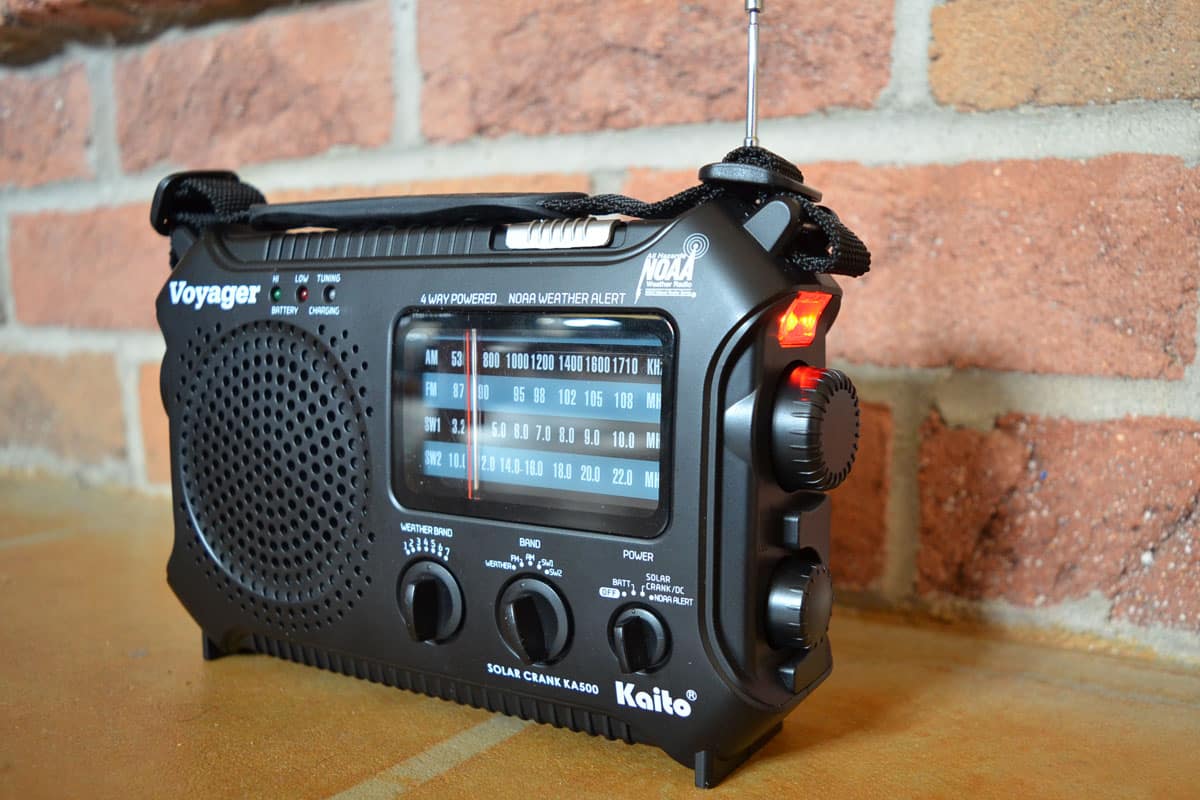
Keep a NOAA weather radio or all-hazards radio on hand. Many emergencies unfold quickly, and up-to-date information helps you make better decisions.
Would you like to save this?
First Aid and Medications
A basic first aid kit is important, but so is knowing how to use it. Stock:
- Bandages, gauze, tape, and antiseptic
- Tweezers, scissors, and gloves
- Pain relievers and fever reducers
- Allergy medications
- Thermometer
- Any daily prescriptions (keep at least a one-month buffer if possible)
If you’d like to build your own kit, see the Emergency Medical Kit List. Take a first aid class, and invest in a first aid guide such as First Aid Fundamentals for Survival.
Households with infants, seniors, or people with chronic conditions should tailor their kits accordingly.
Hygiene, Sanitation, and Comfort
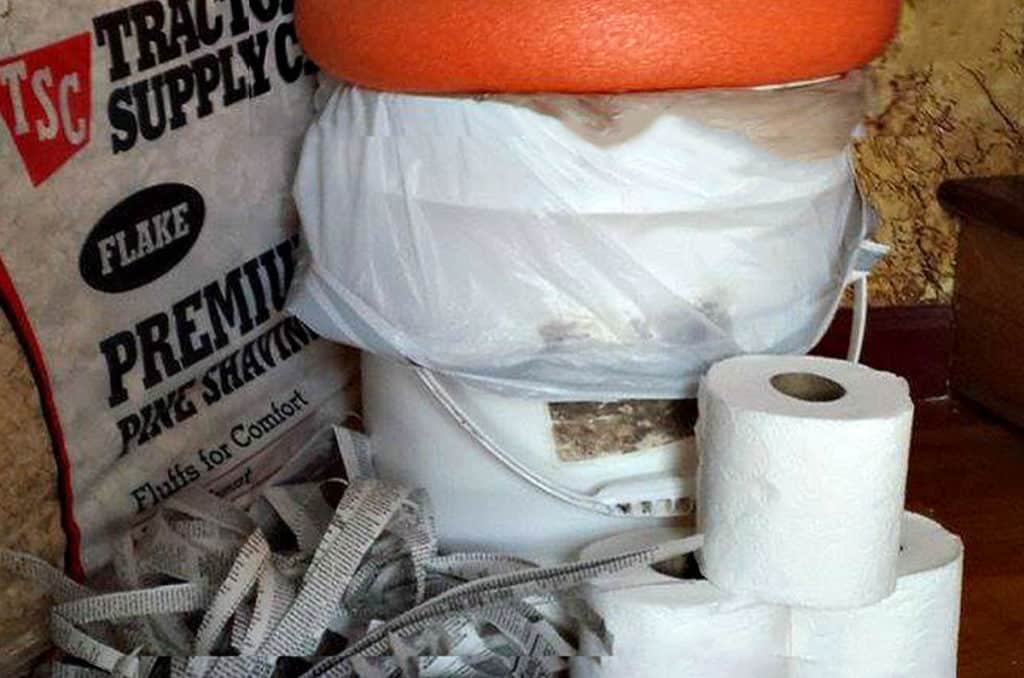
When water service is disrupted, sanitation problems follow quickly. Even short-term outages can make daily tasks difficult.
Plan for:
- Baby wipes or reusable cloths
- Trash bags for waste containment
- Hand sanitizer
- Extra toilet paper
- Menstrual supplies
- Simple methods for washing hands and dishes
For more guidance, visit How to Build a an Emergency Toilet and Build a Burn Barrel.
Comfort items matter, too. A clean pair of socks, warm blankets, or a small toy for a child can make an unsettling situation feel manageable.
Heat and Shelter
In cold climates, staying warm may be your biggest challenge. In hot climates, it’s the opposite problem. Difficult economic times may result an increase in burglaries and home invasion. Be mindful and plan accordingly.
Your emergency heat plan might include:
- Layered clothing (wool works even when wet)
- Mylar emergency blankets
- Sleeping bags rated for your climate
- Safe alternative heat sources, such as propane heaters designed for indoor use (with ventilation)
Never use outdoor grills, charcoal, or unvented fuel sources indoors.
See also:
How to Stay Warm During a Power Outage
12 Best Tips for Keeping Your House Cool Without AC
Important Documents and Household Planning
Many people forget about this step of emergency preparedness, but it’s critical to speed up disaster response. If you need to evacuate or file insurance claims, having key documents gathered in one place saves time and stress.
Create a folder or binder for:
- IDs and birth certificates
- Health insurance cards
- Home and auto insurance policies
- Medical information
- Emergency contacts
- Copies of prescriptions
- Photos of valuables for insurance documentation
Store digital copies in the cloud or on an encrypted flash drive.
Household communication is equally important. Make sure everyone knows:
- Where supplies are stored
- How to shut off water, gas, and electricity
- Who to call in an emergency
- Where to meet if separated
Build Emergency Preparedness Skills Along with Supplies
Supplies matter, but skills give you confidence. Practice:
- Cooking without electricity
- Filtering and treating water
- Basic first aid
- Using your generator, radio, or heater
- Running evacuation drills with family
Hands-on experience is worth more than a shelf full of gear you’ve never tested.
Take It One Step at a Time
Emergency preparedness doesn’t happen overnight. Start with a weekend project: store extra water, restock the first aid kit, or build a small pantry buffer. Next week, add lighting or a weather radio. Over time, you’ll create a resilient system that helps your family face disruptions with calm instead of panic.
Small steps build strong households — and strong households build resilient communities.

This article is by Laurie Neverman. She has a BS in Math/Physics and MS in Mechanical Engineering with an emphasis in renewable energy. Laurie and her family live in a “concrete bunker” (ICF home) with a permaculture food forest, greenhouses, and three types of solar. They “walk the talk” of preparedness by living a more self-reliant lifestyle.
Originally published in 2014, last updated in 2025.
This is a really great article for beginner preppers..have shared on my FB page and with others.
thanks.
Thanks. I tried to access your facebook page but got an error message? Did a search but could only find Twana’s Cottage Native Plants. Is that you?
I’m guessing that “11 jobs” statement is way outdated. My husband is 26 and on his 13th separate job. For older people it’s likely true, but for anyone just starting out in the last 5 or so years they will have way more than that many on their list.
I’ve seen estimates between 4 and 15 on average – they’re all over the place. My SIL had 22 different W-2s in one year. The big thing is to realize the chance of getting a great job and keeping it your whole life is next to none.