Category Archives: vegetables

Cheese and Broccoli Quiche

We’ve recently been blessed with an abundance of eggs from bartering garden greens, kombucha and other odds and ends, so I decided to throw together a quick supper last night that used quite a few of them up – quiche.

The recipe I used was based on the “cheese quiche with vegetables” master recipe from The Garden Fresh Vegetable Cookbook by Andrea Chesman.  It’s one of my favorite “go-to” books for using up fresh produce.  The recipes are straightforward and flavorful, and while she does use extra-virgin olive oil in many recipes, she’s not afraid of cream and butter.  (Many vitamins in veggies are fat-soluble, which means that if you don’t eat them with fat, you don’t absorb all the vitamins.  Butter is our friend.)

Cheese and Broccoli Quiche recipe

Serves 4-6

Ingredients

1 unbaked crust for a 9-inch or 10-inch pie* (I used a 10 inch pan, but it probably would have been fine in a 9-inch)
1 cup grated cheddar cheese
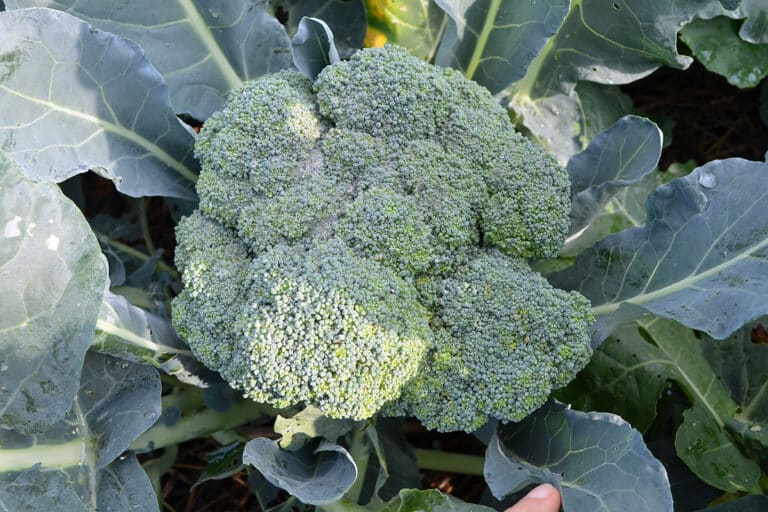
1 1/2 cups chopped broccoli (she recommends blanching, but I skipped that step and the broccoli was fine)
2 tablespoons chopped fresh chives
1/2 cup chopped ham (optional)
3 large eggs (I used five or six smaller ones)
milk or cream
salt and freshly ground pepper

Preheat oven to 425.

Bake the crust for 5 minutes, until lightly colored.  Remove from the oven and let cool.  Reduce the oven temperature to 375 F.

Sprinkle 1/2 cup of the cheese in the crust.  Make a layer of the broccoli on top of the cheese.  Sprinkle with the chives and ham (if desired).

Beat the eggs in a glass measuring cup.  Add enough milk or cream to make 1 1/2 cups.  Season with salt and pepper.  Pour over the vegetables.  Sprinkle the remaining 1/2 cup cheese over the quiche.

Bake for 30 to 35 minutes, until puffed and browned.  Let stand for at least 10 minutes.  Serve warm or at room temperature.

*Basic pie crust for a single crust pie

1 cup unbleached all-purpose flour
1/2 teaspoon salt
1/3 cup butter or lard
3 tablespoons cold water

Cut together flour, salt and butter with a pastry blender or two knives until the mixture resembles course crumbs.  Sprinkle water over mixture, and blend with a fork until it just comes together (over-mixing will make the dough tougher and harder to work with).  To make it easier to roll, wrap in wax paper and refrigerate 30 minutes.  (I was in a hurry, so I skipped this step.)  Roll into a 12inch round between two sheets of waxed paper or reusable parchment paper lightly dusted with flour.

I thought the quiche was pretty darn tasty.  My youngest didn’t like that all the foods were mixed together (pot pie is fine, but this was not – can’t figure that one out).  The eldest ate two pieces, so he must have been okay with it.  You can use other cheeses and other veggies – pretty much whatever you have on hand, although when I tried it with tomatoes and basil it got quite runny.

How do you like to use garden produce for quick summer meals?  Please leave a comment and let me know.  I’m always looking for new recipes.

This post has been added to Pennywise Platter Thursday for July 7, 2011 at the Nourishing Gourmet and Homestead Barn Hop#19 at the Prairie Homestead.

This post has been added to Fat Tuesday for August 16, 2011 at Real Food Forager.

The Parsnip Squid and The Rock That Moves

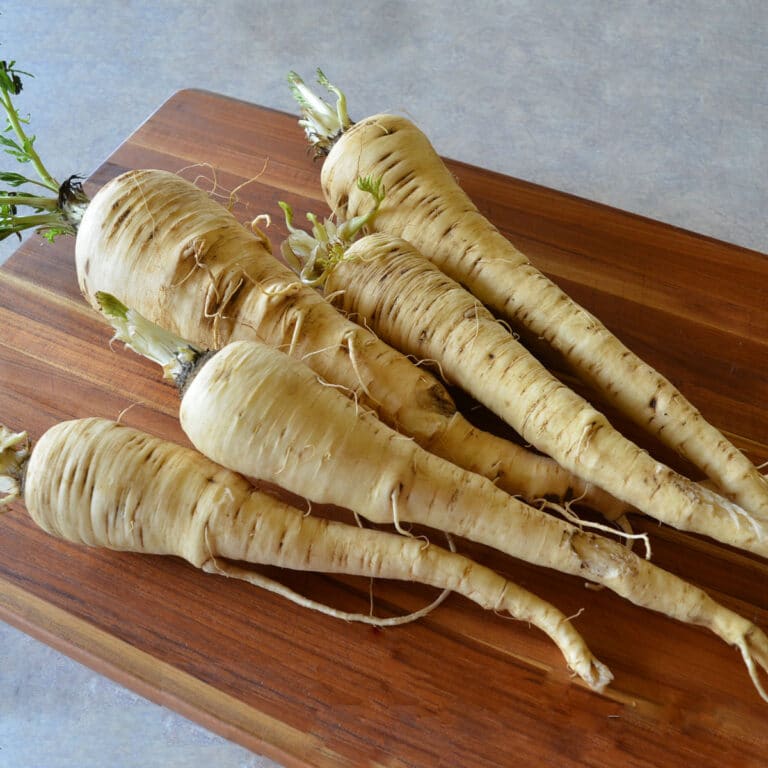
What is it?  A creature from the deep?  Captain Nemo’s worst nightmare?  Nope – just this year’s harvest of parsnips posing as a parsnip squid.

It was my intention to post this sooner, but I figured it was still worth sharing, as many of you (like me) are planting your gardens.  I’m hoping this might inspire you to give parsnips a try, if you haven’t already.

What I love best about parsnips is that they are ready to harvest when very little else is available.  I always overwinter my parsnips (i.e., leave them in the ground over winter and harvest them in the spring).  The freeze/thaw cycle converts more of their starches to sugars and makes them absolutely delicious.  Come late March/early April, the boys and I head out to where we’ve buried the plants the previous fall under a thick layer of straw.  My stepdad swore up and down that the ground wouldn’t freeze if you covered it in this much straw, but mine surely did, so we had to wait to dig until the frost was gone.

Once the straw is pulled back, you look for the first signs of greens poking out of the ground.

You want to make sure that you dig these up as soon as possible, because the goal of that root is not to feed you, but to send up a flower stalk and produce seeds.  Once more leaves become visible, chances are that the sugars stored in the root are being used up and the parsnip will become tough, woody and bland.  Parsnips can require some effort to get out of the ground, as they will send out very deep tap roots.  This year we had several that were about as large in diameter as a mason jar (see second photo above) and about 2 1/2 feet long.  The boys really had to dig to excavate these tasty treats.

I usually just saute mine in some butter or coconut oil, but if you want to get fancy you can try out Andrea Chesman’s recipes for Mapled Parsnips or Basalmic-glazed Parsnips in the Garden-Fresh Vegetable Cookbook.

Once you dig your parsnips, you can hold them in the crisper drawer in the fridge for a couple of weeks, or you can cook them all up and freeze them in meal sized portions.  They’ll hold well in the freezer for several months.  According to USA Gardener, “Parsnips are a good source of fiber, folate, magnesium, potassium, Vitamins C and E, calcium, iron, thiamin, riboflavin, niacin, and B6.”

To grow your parsnips, plant the seeds about 1/2 deep in well-loosened soil (remember – deep roots).  Keep soil moist until seedlings appear.  Parsnips are slow to germinate (they can take around three weeks to emerge), and the germination rates drop significantly as the seed ages.  If I don’t have fresh seed (even if it’s only one year old), I plant it as thick as the hair on a dog’s back and thin the seedlings to about one every three inches, if needed.  If you don’t know what a parsnip seedling looks like, take a peek at West Side Gardener for a photo.

Oh, about the rock…we’ve had the cutest little tree frog hanging around our deck and greenhouse.  He’ll come at night and catch moths on the screen door, and during the day I’ve seen him regularly just sitting – oh so still – on the deck, where he blends in famously.

This post has been added to Real Food Wednesday hosted by Kelly the Kitchen Kop and the Homestead Barn Hop at Homestead Revival.

Beanie Goodness – Wrapping up the Season

Canned green beans are one of the boys’ favorite veggies, so I try to can up about thirty quarts each season. Luckily this year I’ll be able to get some from my mom, as my beans got attacked by flea beetles, and between that and the cooler weather they just did not produce very heavily. I’ve ended with eight quarts from my garden. The vines are still producing, but the output has slowed to a trickle, just enough for a meal now and then.

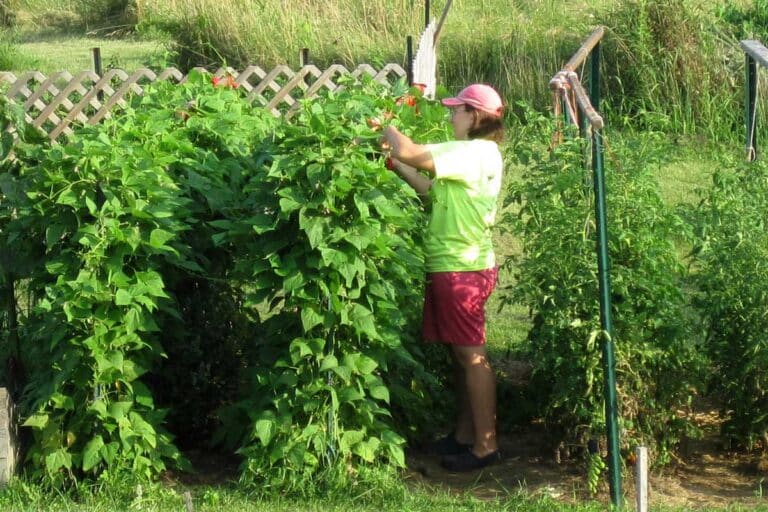
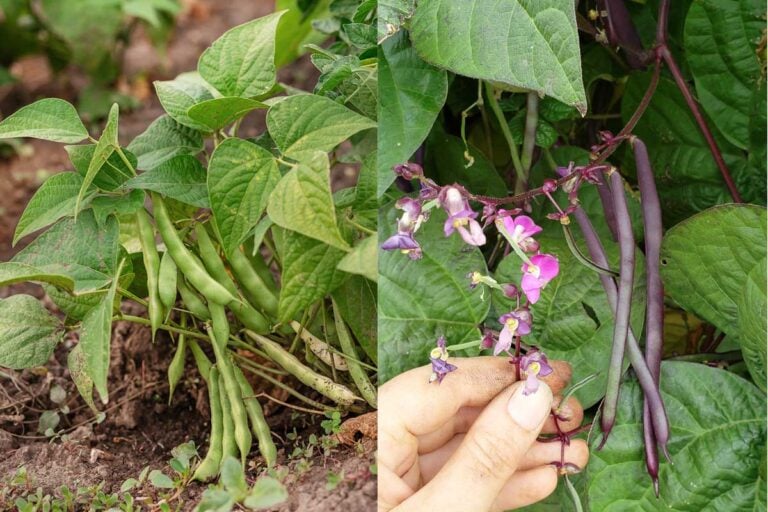
Out last round of “green” beans actually started out mostly as Purple Podded Pole Beans. I prefer pole beans because there is less bending and they produce over a longer season.

The beans get dumped on the table.

Off come the ends and they get snapped into bite size pieces. Into a cold water rinse – it’s amazing how much grime washes off.

Meanwhile, three quarts of boiling water and a tablespoon of white vinegar into the pressure canner, several quarts of hot water to cover the beans, and lids heating up on “low” on the back burner. Tongs, ladle, hotpads, clothes, chopstick, canning salt (no iodine – it will darken the beans) – get everything ready before you start because you want to move as fast as possible once you start packing. I wash the jars in the dishwasher and keep them hot.


I prefer the cold pack method because it keeps the beans firmer. Take the washed beans and pack them into jars, adding one teaspoon salt in each jar. Shake them down/pack them in as you go. Allow one inch headspace.


Fill jar with boiling water.

Wipe the edge of the jar with a clean, dry cloth so you get a good seal.

Screw on two piece lid and tighten until snug.

Process quarts at 11 pounds pressure for 25 minutes, pints at 20 minutes at 11 pounds pressure.  (See PickYourOwn.org for altitude adjustments.) When done, allow the pressure canner to cool down and release the pressure on its own. Don’t bleed off the pressure or place cold rags on it or anything else, unless you want a big mess. Once the pressure has dropped to zero and the little pressure button has released, carefully open and unload the canner. Place the jars on a towel and leave them undisturbed for around eight hours.

The purple beans cook up green, but they are a little darker than regular green beans. The lids should be pulled down tight. If you can pop the lids up and down it did not seal properly and those beans should be refrigerated and eaten, not stored. Remove the rings (if you leave them on they tend to rust), label and store in a cool, dark place. Enjoy your garden or farm market goodness year round.

This post has been add to Preparedness Challenge #21 at Homestead Revival.
Related Posts Plugin for WordPress, Blogger...