Category Archives: probiotics

How to Make Coffee Kombucha

Coffee Kombucha

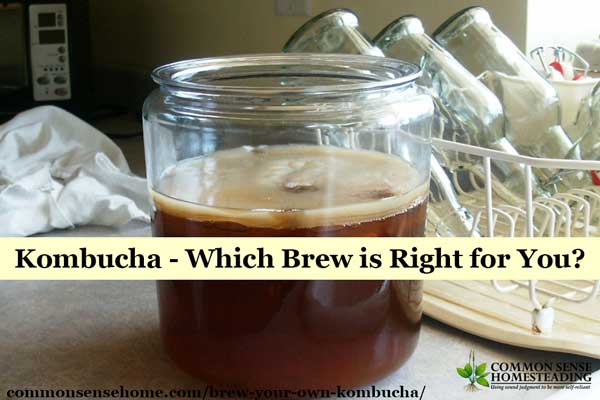
Extra scobys rolling around? Want to try a different kombucha flavor?  Looking for a healthier twist on the morning coffee?  How about brewing up some coffee kombucha?

This recipe is from Cultures for Health.  They have a TON of resources and recipes available, including free recipe e-books and troubleshooting tips.

Coffee Kombucha Recipe

Ingredients:

2 quarts Freshly Brewed Plain Coffee
1/2 cup Sugar
Kombucha Scoby

Directions:

In a glass or ceramic container, dissolve the sugar in the hot coffee and allow the mixture to cool to room temperature. Be sure the coffee is free of left over coffee grounds.  (Chunks = not good.)  I used a short, wide half gallon jar that I had gotten from a neighbor.

Add the Kombucha scoby to the liquid.  Unlike regular kombucha (made with tea), you don’t need to add liquid from a previous batch because coffee is so acidic to start.

Cover the jar with a tight-weave tea towel, paper coffee filter, etc. secured with a tight rubber band. This covering will allow the gas created during fermentation to escape while keeping bugs out. (Fruit flies love kombucha.  If you want to catch and trap fruit flies, put some kombucha  in a shallow bowl with a drop of dish soap.  End of problem.)  I use my small dish clothes as covers.  I label my ferments with contents and date written on masking tape to make it easier to keep track of what’s what.

Allow the jar to sit undisturbed at room temperature out of direct sunlight for at least seven days. (sun sterilizes – not a good thing when you’re dealing with live foods.) After seven days, start tasting the Kombucha daily using a straw. Halt the process when the Kombucha Coffee tastes pleasant to you.

I brewed mine for seven days.   A friend finished hers a few days before I did, and said it tasted terrible – very bitter.  I didn’t find this to be the case at all.  Mine tasted like mildly sweet coffee.  Maybe it was the different coffees that we started with?  You can also blend this with cream or kefir and some ice to make a whipped coffee drink, but I’ve just been sipping it straight.

My scoby was very thin on this kombucha, frankly somewhat anemic looking.

That’s okay, because CFH advises you not to reuse the scoby after this brew.  I drank some right away and bottled and labeled the rest for later.  It’s living in our “seasonal fridge” – the garage – where it’s nice and cool.

Additional Considerations When Making Kombucha Coffee (from Cultures for Health):

  • Coffee is very acidic therefore starter Kombucha tea or vinegar is not required (unlike when Kombucha is made with black, green or herbal teas).
  • Because coffee contains oils, it is possible for rancidity to occur. Watch your batch closely and limit fermentation time to only what is necessary to achieve the desired taste. Never consume any Kombucha which looks, tastes or smells unpleasant.
  • Coffee will generally stain the Kombucha Culture so you may see brown spots on the Scoby.
  • Some people claim Kombucha Coffee brews faster than Kombucha Tea while others claim it is slower. Be sure to taste your batch regularly so you can stop the fermentation process at the point you find the taste agreeable.
  • Kombucha Coffee should be served room temperature or cold. Do not heat the Kombucha Coffee as heating will destroy most of the beneficial yeasts and bacteria.
  • Some people find that Kombucha Coffee is less acidic to drink than regular coffee.

In Wild Fermentation, the author discussed how they had used a scoby to ferment Mountain Dew, but I haven’t tried that option.  Have you experimented with other sweet liquids for brewing kombucha?  I’d be interested in hearing about other options you may have tried.

You may also enjoy:

Healthy Homebrew – Kombucha – How to brew kombucha

Water Kefir Versus Kombucha – What’s the difference between water kefir and kombucha?

Flavoring Kombucha and Kombucha Testimonials – Tips for flavoring kombucha and stories about how people I know have been helped by kombucha

Kombucha Q and A and More Flavoring Ideas – More flavoring ideas and all the Q and A from the comments in a more readable format

How to Flavor Kombucha – Holiday Flavors – Fun seasonal flavor ideas.

This post has been added to Simple Lives Thursday at Sustainable Eats.

How to Flavor Kombucha – Holiday Flavors

Cranberry Collins Kombucha

Since I brew my own kombucha, I’m always experimenting with different flavor options depending on what’s in season.  With the holidays upon us, I figured I’d try some favorite holiday ingredients and see if they’d make a tasty brew.

Most of these start with basic kombucha made with black tea, unless otherwise noted.  Flavorings were added to a 16 ounce bail top jar, or a pint or quart mason jar, as noted.  Flavorings are added after the initial brew when the kombucha is bottled. You add the flavorings and fill jar with plain kombucha.  Serve immediately, or store for a few days (sealed) to increase carbonation.

Recipes with lots of spices are best consumed within a few days, otherwise you may diminish the potency of your kombucha (many spices are antibacterial, and kombucha is made up in part of bacteria).

Cranberry Collins Kombucha (shown above)

To a quart jar add:
1/2 cup cranberry juice, plain unsweetened
1 tablespoon lemon juice
1 tablespoon maple syrup

To a 12 ounce jar add:
1/4 cup cranberry juice, plain unsweetened
1 1/2 teaspoon lemon juice
1 1/2 teaspoon  maple syrup

Pumpkin Spice Kombucha

Pumpkin Spice Kombucha

To a pint jar add:

2 tablespoons pumpkin puree
A “shake” each of powdered nutmeg, cloves, cinnamon and ginger
3 drops liquid vanilla stevia (optional)

When ready to serve, strain or pour off the top of the jar to have a chunk free beverage, or stir to get all the pumpkin goodness.

Ginger Spice Kombucha

To a quart jar or a 12 ounce jar, add freshly slivered ginger to taste, generally from 1 1/2 teaspoons to 1/4 cup. (I like a little less, I have friends who like much more.)

Toffee Apple Kombucha

Toffee Apple Kombucha

To a 12 ounce bottle add:

1/4 cup apple cider
6 drops English Toffee liquid stevia

this flavor option also goes very well with almond blossom oolong tea from Frontier.

Toffee Almond Kombucha

To a 12 ounce bottle add:
6 drops English Toffee flavored liquid stevia
1/8 teaspoon almond extract

Apple Cinnamon Kombucha

To a quart jar add:

1 cinnamon stick
1/2 cup apple cider

To a 12 ounce bottle add:

1 thin cinnamon stick (it will swell as it absorbs moisture and large ones will be hard to get out of the bottle)
1/4 cup apple cider

Cinnamon Spice Kombucha

To a quart jar add:

1 cinnamon stick
2 cloves
A small slice of fresh ginger

Cherry Bounce Kombucha

Cherry Bounce Kombucha

To a quart jar add:
1/4 cup dark cherry juice
Enough tart cherries to cover the bottom of the jar

Pomegranate juice and  African redbush tea also pair well with cherries.

Citrus Punch Kombucha

Citrus Punch Kombucha

To a 12 ounce jar add:
1 tablespoon each lime, orange and lemon juice

Peppermint Patty Kombucha

Peppermint Patty Kombucha

1/8 teaspoon peppermint extract
1/8 teaspoon chocolate extract *

Fill jar with plain kombucha.  Serve immediately, or store for a few days (sealed) at increase carbonation.

*Note – chocolate extract may have questionable ingredients, so read the label. Alternately, you could use plain cocoa or chocolate drink mix, but those don’t blend nearly as well.

You may also enjoy:

Healthy Homebrew – Kombucha – How to brew kombucha

Water Kefir Versus Kombucha – What’s the difference between water kefir and kombucha?

Flavoring Kombucha and Kombucha Testimonials – Tips for flavoring kombucha and stories about how people I know have been helped by kombucha

Kombucha Q and A and More Flavoring Ideas – More flavoring ideas and all the Q and A from the comments in a more readable format

How to Make Coffee Kombucha – Using coffee instead of tea to brew kombucha

This post has been added to Real Food Wednesday at Kelly the Kitchen Kop,
Healthy@Day Wednesday at Day2Day Joys,
Simple Lives Thursday at Sustainable Eats and
Domestically Divine at Far Above Rubies.

Preparing for Cold and Flu Season – Step #1- Probiotics

hibiscus kombucha

What are probiotics?

Probiotics are beneficial microorganisms similar to the “friendly” bacteria found naturally in the body’s digestive system. Howard Hughes Medical Institute (HHMI) of Maryland states that we each house two to five pounds (1.0 to 2.26 kilograms) of live bacteria inside our bodies.

How do probiotics work?

Unlike antibiotics, which work by killing bacteria, both friendly and unfriendly, probiotics work with your body.  By boosting populations of beneficial bacteria, you effectively crowd out the bad bacteria, at at the very least make it more difficult for them to thrive.

Do probiotics really help with colds and flu?

Yes.  After an 18 month study that examined the effect of probiotics Lactobacillus acidophilus and Bifidobacterium animalis on children aged 3 to 5, the results showed that:

  • the Lactobacillus acidophilus group had 53% fewer fevers, 41% fewer coughs, and 28% fewer runny noses than the placebo group
  • the group given both bacteria strains had 72% fewer fevers, 62% fewer coughs, and 59% fewer runny noses than the placebo group
  • the Lactobacillus acidophilus group recovered from cold symptoms 32% faster and the two-bacteria group recovered 48% faster than the placebo group, when they did get sick, with less antibiotic use (68% and 84% less, respectively)

In the article “Probiotics and the Flu“, the National Kefir Association states:

Probiotic-containing foods like kefir are essential during cold and flu season for preventing offending molecules from entering the bloodstream and creating reactions that can cause symptoms of ill health. South Africa-based Ingrid van Heerden, D.Sc, “DietDoc” for www.health24.com, says that probiotic containing foods like kefir are important for maintaining a strong natural defense system because they stimulate the production of immunoglobulin in the intestines, which improves the body’s immune response.

A recent survey of kombucha drinkers indicated that 82% felt they had increased resistance to cold and flus.

black tea and green tea kombucha

Other studies have shown similarly positive results. If you consider how much surface area there is in the digestive track (some estimates calculate that it forms up to 70% of the immune system), it makes sense that keeping it healthy helps keep you healthy.

IBS (irritable bowel syndrome) and (IBD) inflammatory bowel disease are other ailments that plague many people as they age. New studies are showing that certain probiotics can help with IBS and IBD symptoms, too – without the side effects of medications. To address problems in the intestinal tract, researchers have focused on probiotics that remain intact past the stomach (yogurt is not going to help much), such as Lactobaccilus plantarum 299v. Lactobaccilus plantarum species are commonly found in milk kefir (along with many other beneficial bacteria and yeasts).  (You can see my post on fermenting yogurt and milk kefir here, along with my “secret weapon” for cold weather fermenting.)

Can I make probiotics at home?

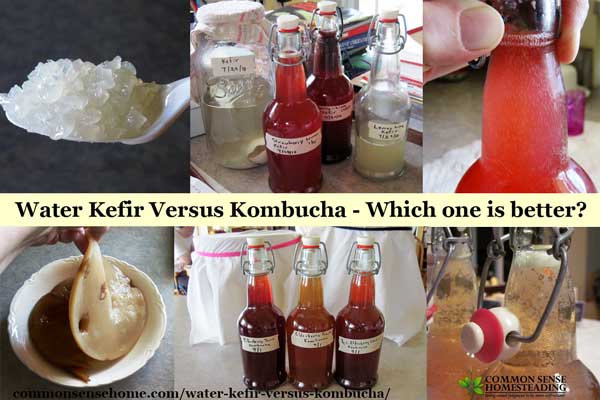
Yes – and it’s easy!  I have started fermenting kombucha, milk kefir, water kefir, and viili yogurt. I got my kefir grains and yogurt culture (and sourdough starter) from Cultures for Health and my kombucha scoby from a friend. You may also be able to find starters through online forums such as the International Kefir Grain Exchange or Heal Thyself.  I tried beet kvass, but no one would drink it except for me. The post “Water Kefir Versus Kombucha” identifies the probiotics typically found in water kefir and kombucha.

I’ve made sauerkraut, lacto-fermented asparagus, and lacto-fermented dilly beans (didn’t get that post up yet).  Any naturally fermented product that is not heat treated (pasteurized) is likely to help.

If you purchase probiotics, make sure you look for live and active cultures (read the label – you want good bacteria that are still frisky). Watch out for brands that are full of sugar and/or artificial ingredients. These work against your body’s ability to heal.

I know many of us are looking for ways to keep our food budgets low while still preparing healthy foods for our families. Fermenting at home can provide healthy foods for pennies on the dollar compared to store products.   You can also “sneak” probiotics in for fussy eaters by making probiotic smoothies using your homemade ferments, such as probiotic smoothies.

Duncan’s breakfast smoothie

I hope you’ll be encouraged to add more live foods to your diet this year, and keep an eye out here and on my blog for more information on their benefits and how to culture your own.  It takes time to build up the numbers of protective organisms in your digestive track, so it’s best to start as soon as possible taking live culture foods to boost your immunity before cold and flu season gets into full swing.

If you’ve found this post helpful, you may also enjoy the next posts in the series:
Coping with Stomach Flu Symptoms (Why the BRAT diet may not be your best choice)
Preparing for Cold and Flu Season with Essential Oils
The Best Vitamins and Minerals for Fighting Colds and Flus

If you found this post helpful, please pass it along.

This post has been added to Homestead Barn Hop #32 at Homestead Revival,
Fat Tuesday at Real Food Forage,
Domestically Divine at Far Above Rubies,
Simple Lives Thursday at Sustainable Eats,
Healthy 2Day Wednesday and Day2Day Joys,
Real Food Wednesday at Kelly the Kitchen Kop and
Fight Back Friday at Food Renegade.
Related Posts Plugin for WordPress, Blogger...