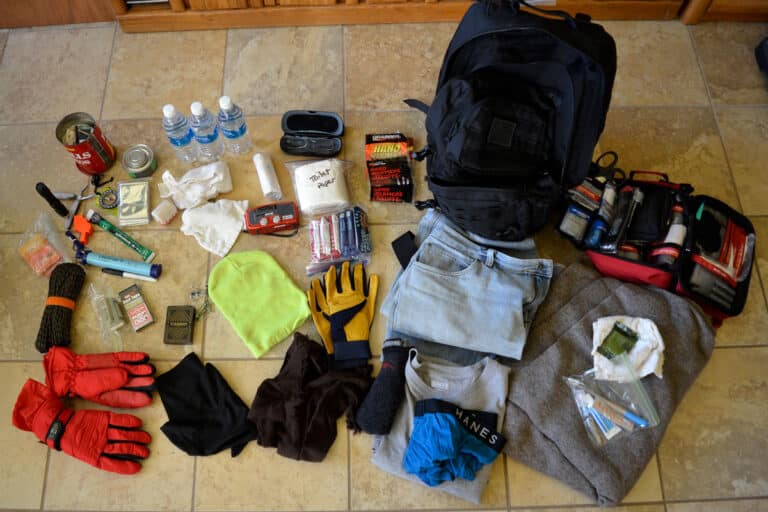
Category Archives: Preparedness
Food storage, emergency preparedness, skill building.

Emergency Water Storage – What You Need to Know

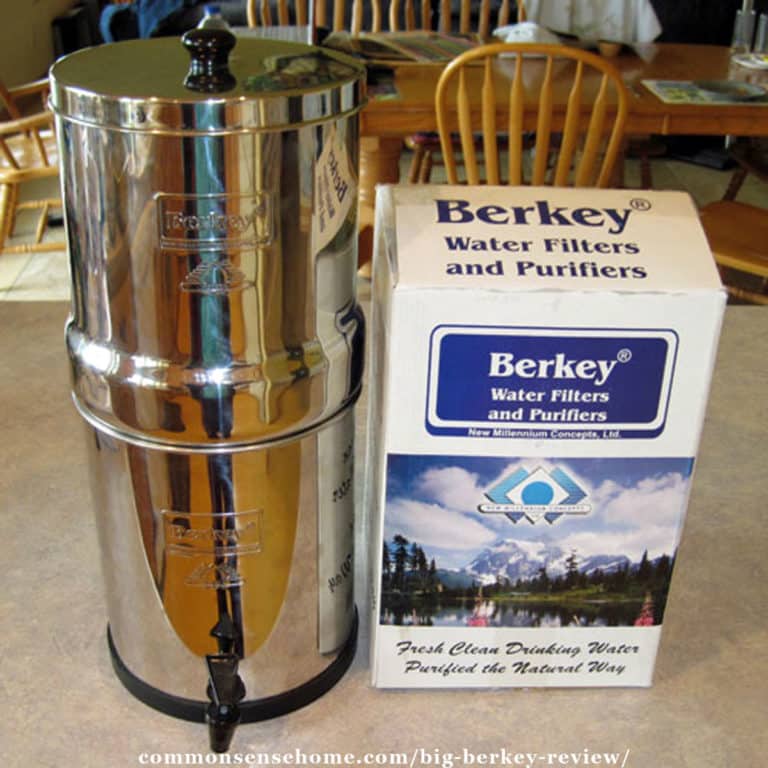
Berkey Water Filter

Water is life.  In case of emergency, a reliable water supply is critical.  If power is interrupted due to storms or other events such as solar flares or grid overload due to high demand, for most of us, our water supplies are also interrupted.  Municipal water supplies could also be a likely “soft” target for terrorist attacks.  Emergency water storage should be a part of any emergency preparedness plan.

How Much Water Do I Need to Store?

FEMA recommends a three day supply with one gallon per person per day, half of that just for drinking.  Age, physical condition, activity level, foods consumed and environmental conditions will influence those requirements.  Hot, humid weather, illness, pregnancy and lactation, increased physical activity levels will all increase the amount needed.  The Crisis Preparedness Handbook recommends 20 -30 gallons per person for a period of two to three weeks without water.  This allows water for drinking, cooking, hygiene and some reserve.  If you plan to rely heavily on dehydrated food, store an extra 2 to 5 gallons per person. Continue reading

Winter Vehicle Maintenance Checklist and Preparing a Winter Emergency Vehicle Kit

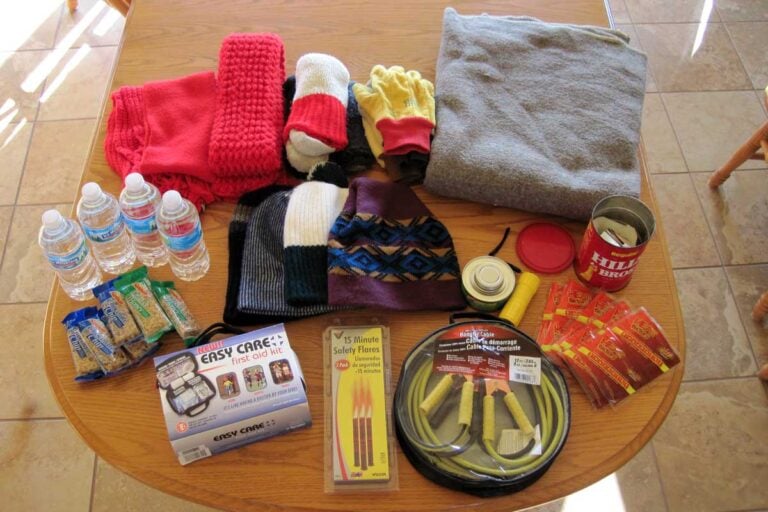
Winter Vehicle Emergency Kit Items

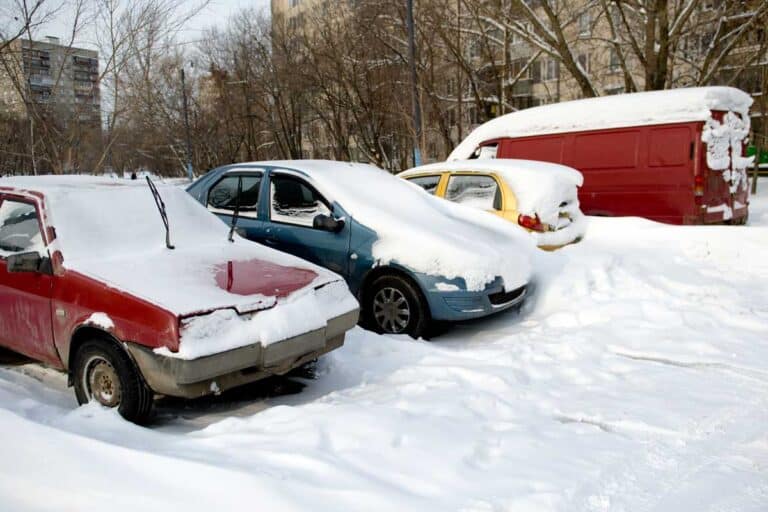
Winter driving can be a pain in the backside.  In recent years, much of the country has been hit with some heavy snow and ice storms.  Stay a little safer when you hit the road by preparing yourself, your vehicle and a vehicle emergency kit.  Don’t leave home unprepared – stay safe!

Winter Vehicle Maintenance Checklist

  1. Take care of any necessary repairs before you get in the middle of a snowstorm.  This may sound obvious, but I’ve known people who have driven around with emergency lights lit up on their dash who ignored them until the car stopped running completely.
  2. Make sure your tires are in good condition, properly inflated and appropriately rotated so you have traction when you need it.  If you use winter chains, make sure they are ready as well.
  3. Keep your gas tank full!  Grandpa Neverman (my husband’s grandfather) was a stickler about always keeping the gas tank above half full.  We’ve had some pretty serious snow storms in recent years where folks were trapped on the road in their cars for hours.  It’s a lot safer to be stranded in a car with heat than without.  Also, traveling may take much longer than anticipated because of road conditions or detours.
  4. Check out weather conditions in the area where you intend to travel.  Between the news, the internet and cell phones, there’s little reason to not know if you’re getting snow, ice, wind or anything else that will be trouble.
  5. Get a cellphone, even if it’s only for emergency use.  Get a car charger or emergency charger for your cellphone.  If your battery is dead, it’s pretty hard to call for help.

Winter Emergency Vehicle Kit Items

Blanket – wool is best, as it still warms even when wet
Hats - your head looses heat fast, and many people don’t wear hats out and about anymore
Gloves – mittens or oversized gloves can go over your existing gloves for extra warmth
Wool Socks – large sized, so they can go over existing socks
Scarves – You’ll be glad to have them if you end up walking
Boots – if they’re not on your feet, they’d better be in the vehicle
Snacks – (durable ones) such as granola bars, jerky or dried fruit
Water – (make sure you empty a little out of the tops of bottles in case they freeze)
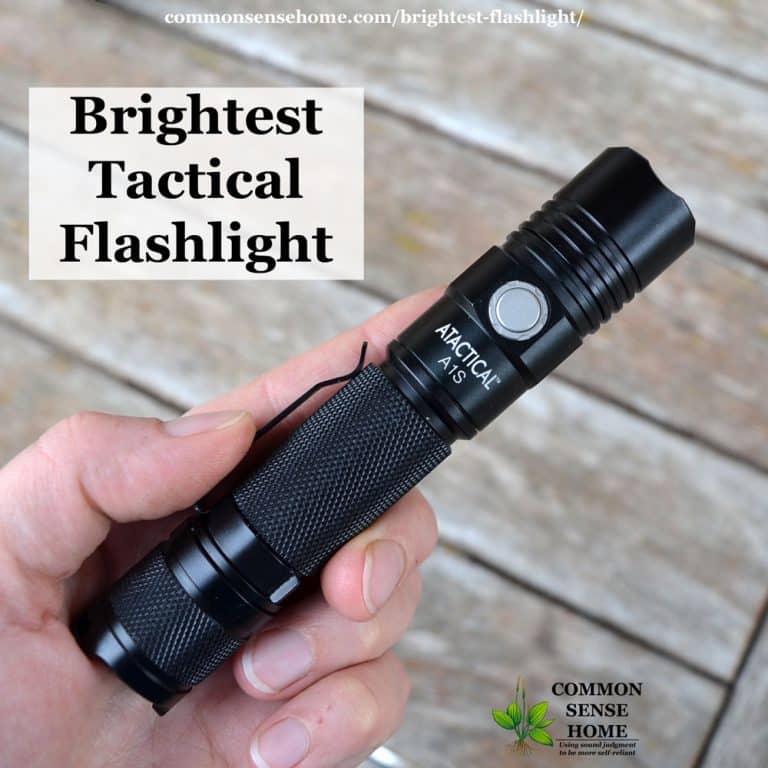
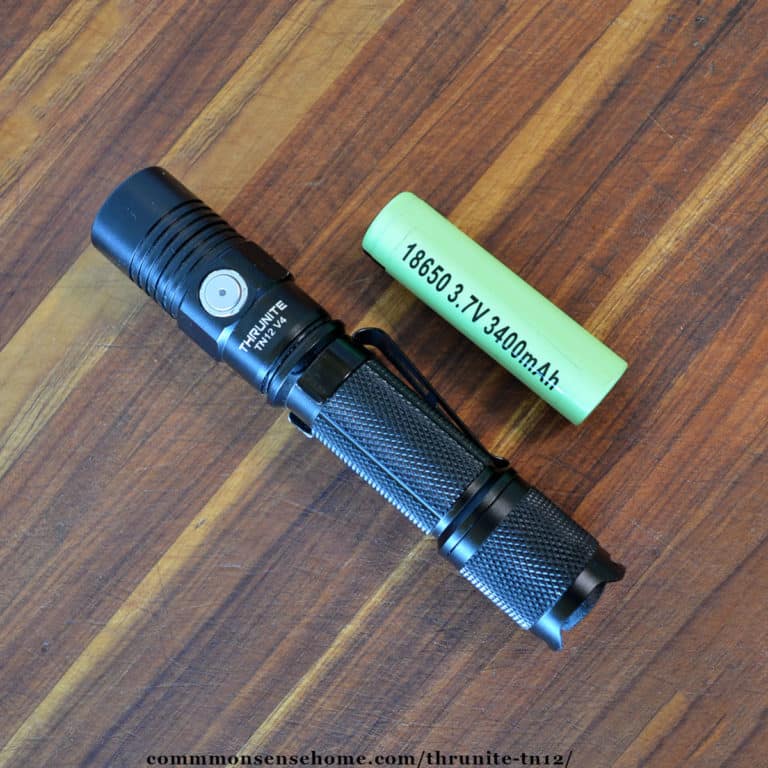
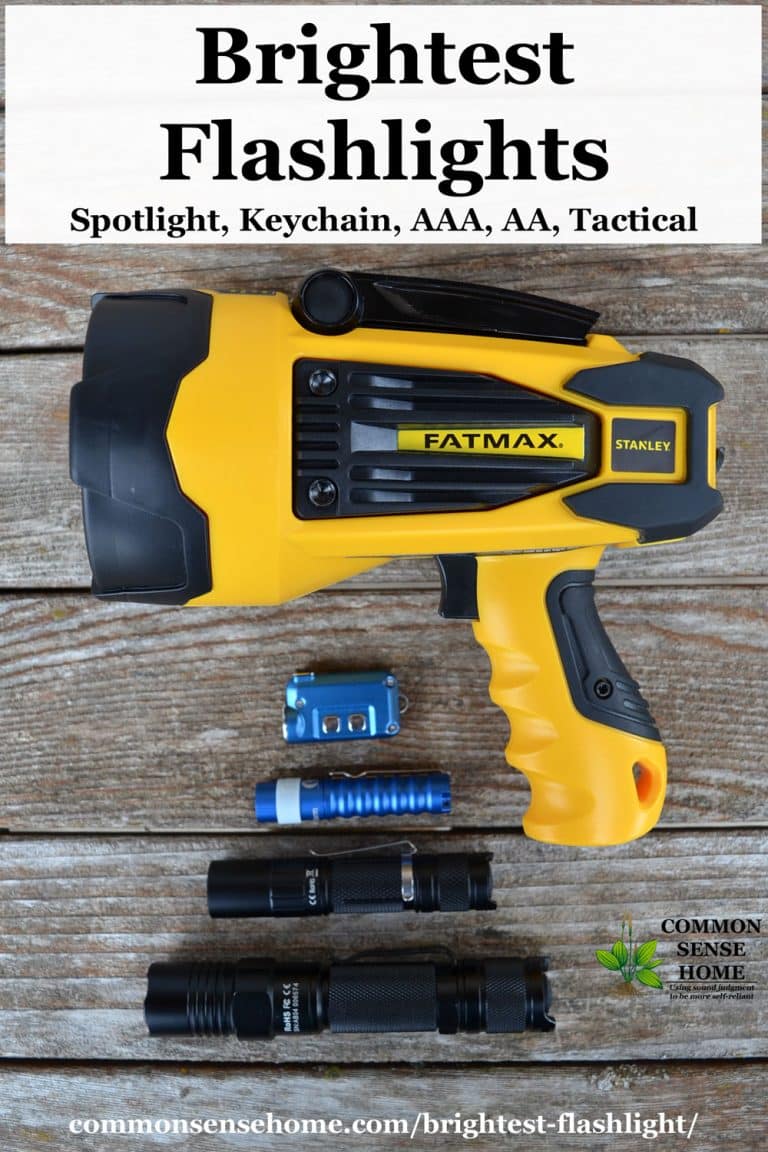
Flashlight (with batteries), preferably waterproof
First Aid Kit – I found one I liked from EasyCare.  It has significantly better quality items than any kits I’ve seen in this price range.
Hand Warmers – these can be used to warm more than hands
Candle in a metal container with waterproof matches and/ or Sterno – you can use this for heat or melting snow for water

Ice Scaper/snowbrush – this one is extendable, very handy
Jumper Cables – cold decreases battery life
Road Flares -make it easier for someone to find you if things are really bad
Car shovel – I found these sweet little telescoping shovels from Suncast that are made in the USA.  I got one last winter and liked it so much I got another this winter so we have one in both vehicles, plus one extra for the boys to use at home.

Telescoping Suncast Steel Core Car Shovels

Our old car shovel was made of plastic, and broke the first time I tried to use it with heavy snow.  Last winter I used one of these to help dig out someone in a parking lot who thought it was a good idea to park in a snowbank.  (Christmas crazy shopping time and the lot was packed.)  Heavy, hard packed snow, and the shovel was just fine and did the job.  The boys like them for digging snow tunnels because of the short handles and their toughness.

You could just buy a pre-packed roadside emergency kit, but most of them are pretty skimpy, or just have car related items.  This one on Amazon looks to be better than most, but doesn’t include people-care items.

I packed up my husband’s car kit in an old military backpack I purchased at FleetFarm – inexpensive and durable.

I packed up the one for our van in another backpack we had at home.  I keep the shovel and scraper separate from the rest of the pack, and food items seperate from combustibles.  If you pack nothing else, you should have hats and blankets enough for all regular passengers and a good ice scraper.  The  snow shovel and jumper cables are probably next on my list.

Did I miss anything?  Let me know.  If you found this post useful, pass it along.

Stay warm and safe this winter.

This post has been added to Homestead Barn Hop #41 at the Prairie Homestead and
Simple Lives Thursday #75 at GNOWFGLINS.

Preparing for Cold and Flu Season with Essential Oils

Essential oils can be used to fight colds and flus

This week’s installment on prepping for cold and flu season is a guest post by my friend, Jo, from Jo’s Health Corner.  Jo has a TON of great information on her site about using essential oils, and she’s shared some of her experience here.

What are essential oils?

Essential oils are concentrated extracts that have been distilled from aromatic trees, herbs, and grasses. They are located in leaves, stems, fruits, roots, flowers, and bark of different plants. The essential oils are responsible for the plant’s unique aroma.

Some of the most powerful anti-microbials known today

Essential oils have been used in perfume making for a long time. It is easy to overlook the important fact that essential oils are some of the most  powerful anti-microbials known today. I think they should be used  in every home during cold and flu season since they are very important in fighting many types of infectious disease. It is said that glove makers and perfume makers were spared in  England during the plague. The entire city of Buklesbury, England, was spared from the plague because it was the center for the lavender trade. Lavender is a known for its anti-microbial properties.

Don’t wait until you get sick

You don’t have to wait until you are sick to take advantage of the healing benefits of the oils. Most essential oils are antiseptic and bactericides, which will inhibit bacterial growth. Some oils are also anti-fungal and antiviral so you can see why they are beneficial during flu season. You can use essential oils in many ways around the house to boost your immune system.  I like to clean with my favorite bacteria busters such as cinnamon, clove, lemon, eucalyptus, lavender, thyme and pine. Not only do they assist in cleaning my house but they also benefit my immune system.  I also like to diffuse oils in my diffuser several times a day. You can make a room spritzer and spray in the air if you don’t have a diffuser.

Basic Spritzer Recipe

2 ounce glass bottle with spritzer/mister top
1 ¾ oz ounces of distilled water
10-30 drops of various essential oils ( I use less amount when I use intense aromas)
Optional: ¼ teaspoon vodka or witch hazel to emulsify the oils and water. It is important with thick oils like myrrh and jasmine.

Fill the bottle with water, add oils, and shake before each use. Make your own blend or try my favorite spice recipe:

2 drops cinnamon
1 drop clove
2 drops mandarin

You don’t need to buy the whole store

It is not necessary to have a whole bunch of oils at home, it is more important to choose wisely what oils to buy. The oils need to be of high quality so they posses the therapeutic properties you want. Quality is very important since many companies dilute their oils with synthetic substances to cut cost. This can cause harm and change the therapeutic effect of an oil.

I put together a list of oils that are most useful during this time of the year.  You don’t need all of them, but research has shown that there is a greater antimicrobial activity when several oils were combined.  Therefore, I like to mix several different oils into one blend for enhanced therapeutic value.

Immune Stimulants

I make sure that I have at least a couple of different  immune stimulants at home during cold and flu season. Immune stimulants can strengthen the immune system by directly inhibiting the micro-organisms, or by stimulating the immune system. The essential oils of  lavender, eucalyptus, lemon, rosemary, tea tree and thyme are considered immune stimulants. Dr. Jan Valnet, M.D, lists eucalyptus, garlic, sandalwood, cinnamon, lavender, German Chamomile and peppermint as being very useful.

Clove, thyme, oregano, cinnamon, mountain savory, and peppermint are said to have the strongest antimicrobial actions. Tea tree, pine, patchouli, lavender, cajuput, and black pepper are other oils with antimicrobial properties.

Depuratives

Get rid of the toxins! Essential oils also have depurative (cleansing) properties that eliminate waste material and toxins. Germs don’t attack healthy tissues, so it is important to keep the internal environment clean. Angelica root, carrot seed, cypress, grapefruit, juniper berry, lemon, and rosemary have depurative properties. I like to add these oils to massage oil, unscented body lotions, bath salts, and body spritzers.

Be ahead of the game and use them before you need them. Be creative in how you use the essential oils during this time of the year:

How to use essential oils when someone is sick

There are different things you can do if you get sick. Here are some of the things that I do:

  • At the first sign of a stuffy nose I inhale deeply straight from the bottle. I also diffuse appropriate oils in my diffuser
  • I mix the essential oils with massage oil and apply on affected areas such as chest, sinuses, or back
  • I add a few drops on a handkerchief and inhale deeply. Sometimes I put 2 or more drops into the palm of your left hand, rub clockwise with the flat palm or your right hand. Cup your hands together over the nose and mouth and inhale deeply. Don’t touch your eyes!
  • My son successfully cleared congested sinuses within a few hours by doing steam inhalations with anti-viral and expectorant oils last week. Add a few drops of oil to a bowl of warm but not boiling water. Inhale the steaming vapors from the bowl. To increase intensity, drape a towel over your head and bowl before inhaling.
  • I add a few drops to drinking water and gargle for a few minutes if I have a sore throat.
  • I often add essential oils to the Vita Flex points on the bottom of the feet. This is especially useful for children since some oils may be too strong to apply on other parts of the body.
  • I used to drop cypress under my daughter’s pillow when we lived in Wales several years ago when she was coughing a lot due to moist weather.

Essential oils can be used in so many various ways so be creative. As mentioned above, you don’t need a lot of oils. The best anti-microbial oils are strong and may irritate the skin so inhaling and diffusing may be better choice when used as prevention. Oregano, cinnamon, clove, black pepper, and thyme are some of my favorite oils but I don’t apply them topically unless necessary for a specific condition. I may include them in a in a rub used topically for a small area, but I would not add them to a bath or a whole body massage blend.

Spice oils are very intense so it is best to mix them up with some other oils before diffusing them in the room. For example, diffused clove oil can irritate the eyes so it should not be diffused more than a couple of minutes at a time. Spice oils such as cinnamon and clove can be mixed with citrus oils to make them less irritating.

Make sure you dilute the essential oils correctly and that you’re read the safety precautions before you start. Some oils are contraindicated in certain conditions.

Johanna is an aromatherapist and she blogs about health, essential oils, real food, natural remedies, and nutrition on Jo’s Health Corner. She also runs Naturally Sports & Wellness together with her husband. 

Other posts in this series include:


Preparing for Cold and Flu Season:  Step 1 – Probiotics
Coping with Stomach Flu Symptoms (Why the BRAT diet may not be your best choice)
The Best Vitamins and Minerals for Fighting Colds and Flus


Related Posts Plugin for WordPress, Blogger...