Category Archives: herbs

Stevia – How to Grow it and Make Your Own Sweetener

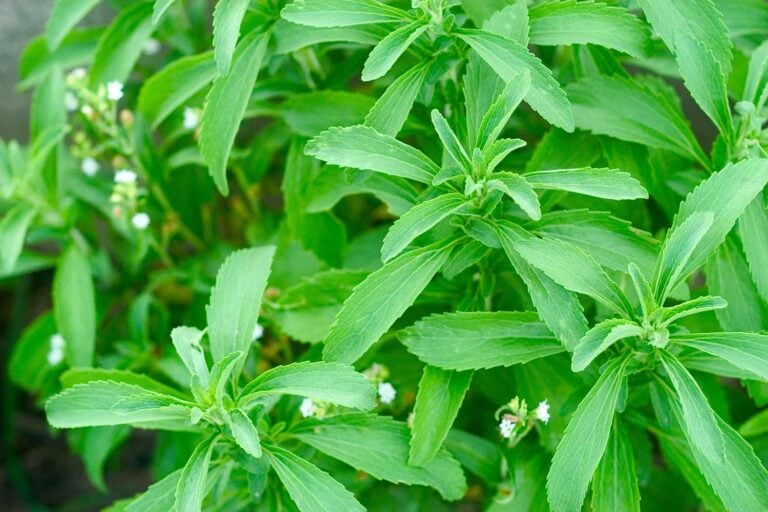
Home grown stevia plant

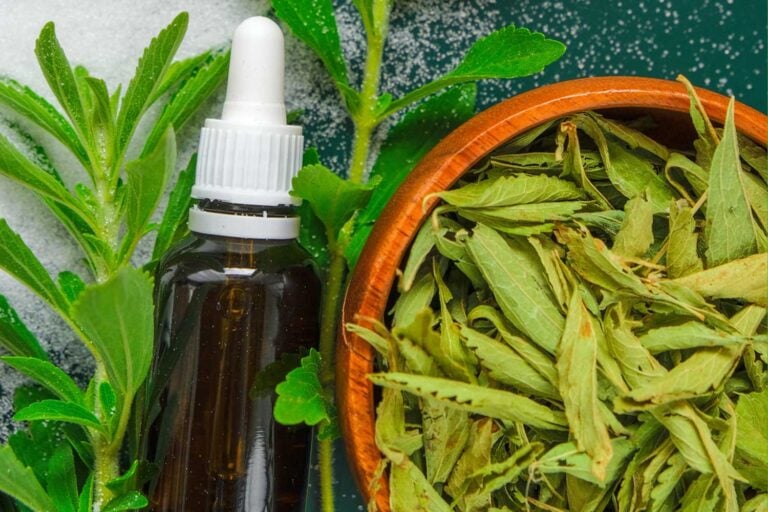
Have you ever wondered if it was possible to grow your own stevia – that “miracle” plant that is sweeter than sugar – for sweetener instead of paying through the nose for those little packets in the store? You can grow stevia at home, in pots or in your garden, and harvest it for dried leaves or extract. Continue reading

Getting Started with Herb Gardening

Getting Started Herb Gardening

Before You Plant an Herb Garden, You Need to Read These Books

Wondering what herbs to grow?  Unsure about soil preferences of herbs or their growth habits?  Interested in growing your own herbs for herbal healing?

If you answered “Yes” to any of these questions, there are a couple of books I’d like to recommend to you – The Practical Herb Garden and The Complete Illustrated Holistic Herbal. (There may be others that are just as good, but I have these, and I like them, and they are CHEAP because they are no longer brand spanking new.  :-)   If you have a favorite you’d like to recommend, please leave a comment below.)

In my garden, I’m prone to try new plants on a whim for a season or two, just to get a feeling for their growth habits in different conditions (our temperatures and moisture levels have fluctuated pretty wildly the last few years).  Usually, this works just fine, as most fruits and vegetables are annuals that don’t self-seed easily.  Herbs can be a little trickier. Continue reading

The Best Herbs and Spices for Colds and Flus – Plus a “Secret Weapon”

Copper faucets are antibacterial

This is the final post in our “Cold and Flu” series.  One could go on almost indefinitely with healing options, as our bodies are very complex and a great many things influence our immune response, but I think this series represents some of the best “tools” available for boosting your immune system.

This post discusses how herbs, spices, traditional remedies and your kitchen sink can help boost your immune system and protect you from colds and flus.

Herbal Antibiotics for Colds and Flus

You are probably aware (hopefully) that most colds and flus are not caused by bacteria, they are caused by viruses.  Therefor, standard antibiotics are useless as a remedy for colds and flus.  There are now anti-viral medications, but they are most effective if administered early on, and may have some side effects.  Plus, who really wants to schlep into the ER when you feel lousy and your immune system is already compromised?  Secondary infections are often more dangerous than the original virus.

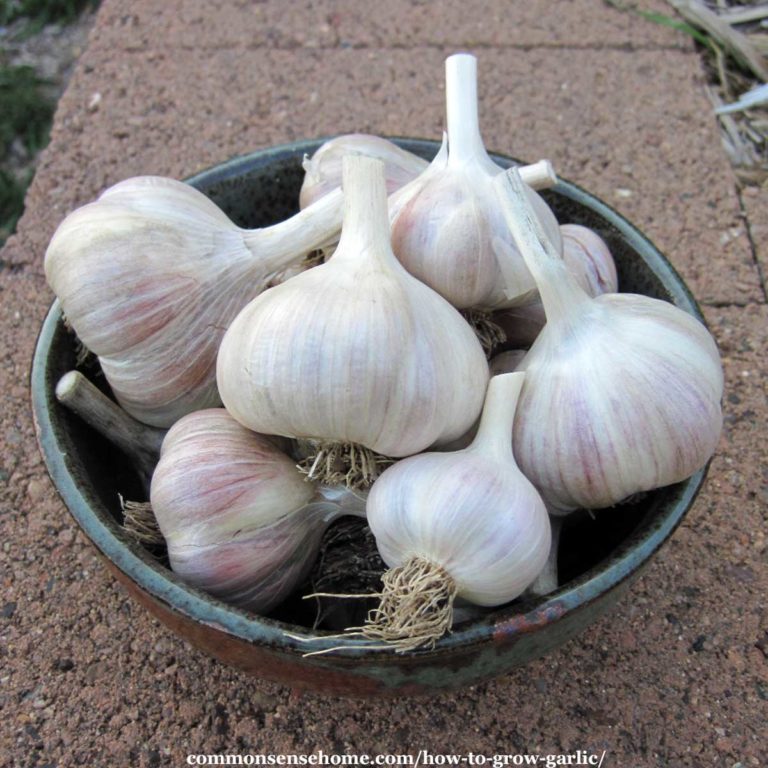
It turns out that many common herbs are not only antibacterial but also antiviral, and have minimal to no side effects.  In the book Herbal Antibiotics, Stephen Harrod Buhner presents his top choices for cold and flu fighting herbs, including echinacea, wormwood root, balsam root, boneset, red root, licorice, sage, garlic and honey.  (While not technically an herb, honey is often used in herbal medicine and so is included in the book.)  Complete dosing instructions and contraindications are given in the text.  I highly recommend the book, as it gives not only practical information on herbal use, but an overview of the history of antibiotics and how antibiotic resistance spreads.  Technically, he includes both herbs and spices in his arsenal, as various plant parts are used.

An example of the easy to use recipes that Stephen provides is The Best Cold and Flu Tea, which contains:

2 teaspoons sage
juice of one lemon (or one teaspoon lemon balm herb)
Pinch cayanne pepper
1 tablespoon (15 ml) honey

To prepare the tea, pour one cup boiling water over sage and allow to steep for 10 minutes.  Strain out herbs, ad remaining ingredients, and drink hot.


Mountain Rose Herbs. A herbs, health and harmony c
Mountain Rose Herbs has an excellent stock of organic herbs and spices.

Spices for Fighting Cold and Flus

One of my favorite remedies for cold and flu season is a big batch of chicken soup. Chicken contains an amino acid called cysteine, which can thin the mucus in your lungs and make it easier to expel.  Proper soup often includes an assortment of herbs and spices, many of which have healing properties.  The Weston A Price Foundation website states:

Stock contains minerals in a form the body can absorb easily—not just calcium but also magnesium, phosphorus, silicon, sulphur and trace minerals. It contains the broken down material from cartilage and tendons–stuff like chondroitin sulphates and glucosamine, now sold as expensive supplements for arthritis and joint pain.

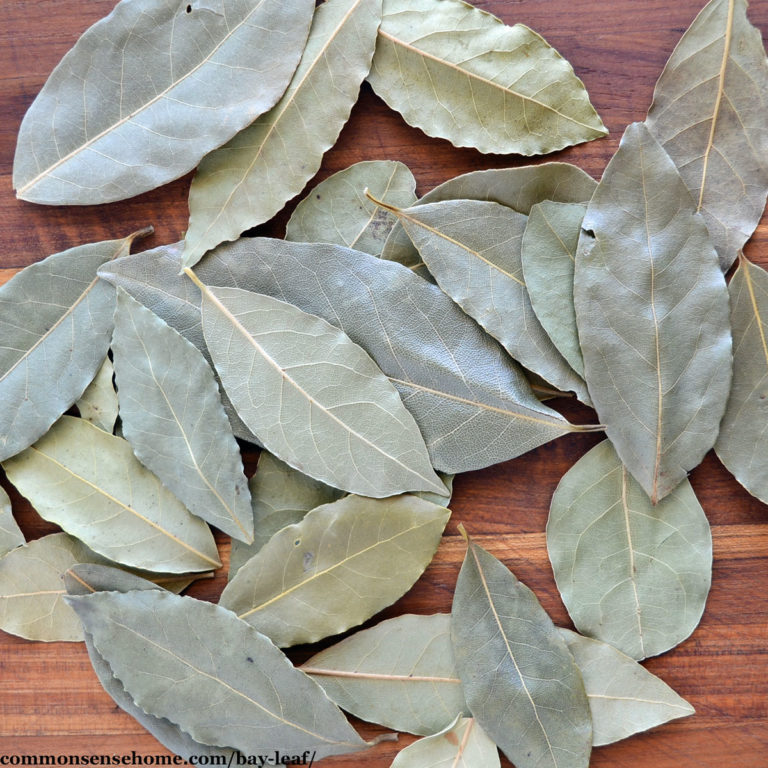
I always include bay leaf in my soups, which is anti-bacterial and anti-fungal.  Parsley is loaded with vitamins and minerals, and can act as a stomach soother.  Sage is another herb that is popular with poultry, and is also anti-bacterial and anti-viral.  Fresh sage is best when available because many of the beneficial compounds are concentrated in the oil.  Celery, too, has a long history of medicinal use.

Other spices that are commonly used in holiday cooking that help boost your immune system are cinnamon, nutmeg, rosemary and cloves.

Rule of thumb:  strongly scented and flavored herbs and spices come with strong oils that can add flavor, improve your health and often extend the life of your food

Put some extra cinnamon or nutmeg in your eggnog.   Be generous with the spices in your pumpkin pie or scones.  Throw some extra sage in the stuffing.  Make a rosemary vinaigrette for your salads.  Experiment with the flavors.  Regular use over time will help boost your immune system.

How Can Your Sink Fight Germs?

While frequent hand washing is an obvious answer (please skip the anti-microbial soaps – plain soap and water acts as a surfactant to lift germs away without breeding superbugs), your sink may help keep you healthy in another way – if you use copper faucets.  A recent study in Europe demonstrates:

Under normal daily conditions the level of multi-resistant Staphylococci Aureus (MRSA) bacteria decreased by a third, and their resettlement on copper door handles and switches decreased considerably.

In our home, we have copper handles on all the cabinets, and copper faucet in the kitchen and brass door handles (brass is typically 63% copper and 37% zinc).  Not as much copper as in the study, but we’re not coping with MRSA.

Copper drawer handle

If you’ve found this post useful, please share it with your friends.

You may also enjoy the other posts in the series:

Preparing for Cold and Flu Season:  Step 1 – Probiotics
Coping with Stomach Flu Symptoms (Why the BRAT diet may not be your best choice)
Preparing for Cold and Flu Season with Essential Oils
The Best Vitamins and Minerals for Fighting Colds and Flus

and the related post:
Elderberries:  How to Make Syrups and Jellies

This post has been linked to Fat Tuesday at Real Food Forager and
Homestead Barn Hop #38 at Homestead Revival.
Related Posts Plugin for WordPress, Blogger...